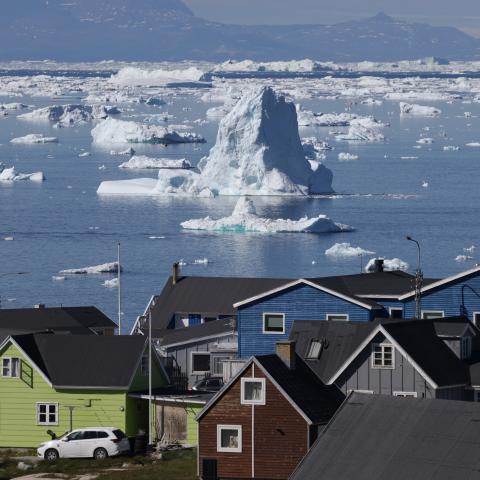
Denmark's parliament on Thursday voted unanimously to approve a security and economic agreement that grants the United States expanded access to Greenland. This move finalizes a trilateral deal already signed by the U.S., Denmark, and Greenland, and previously approved by Greenland's parliament. The agreement is seen as a significant development in Arctic security, strengthening the U.S. and NATO presence in the region amid increased Russian and Chinese activity.
Explainer Understanding Iran's Complex Political Landscape and Global Influence
Greenland, a semiautonomous territory within the Kingdom of Denmark, will now host additional U.S. military bases and see expanded cooperation on both economic and security matters. The Folketing, Denmark's parliament, ratified the agreement with a 109-0 vote, providing the last required approval for the arrangement. The deal is the result of extended negotiations and marks a new chapter in the relationship between the three governments.
Expanded U.S. Access in Greenland
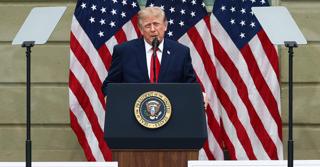
Under the terms of the agreement, the United States gains significant new access to Greenland. This includes the possibility of establishing more American military bases and deepening cooperation on security and economic issues. The deal follows months of pressure from President Donald Trump, who had previously floated the idea of making Greenland a U.S. state, highlighting the territory's strategic importance.
Officials involved in the negotiations have stated that the trilateral agreement is designed to counter efforts by Russia and China to expand their influence in the Arctic. Both countries have increased their presence and activities in the region in recent years, prompting concerns among Western allies about the balance of power in the Arctic.
"The deal reshapes security in the Arctic in favor of the United States and NATO after years of efforts by Russia and China to assert more influence in the region."
— Just the News reporting
The agreement is expected to allow for the construction of new U.S. facilities and the expansion of existing ones, although specific details about the locations and scope have not been made public. The increased U.S. presence is also anticipated to bring economic opportunities to Greenland, as infrastructure and cooperation projects are developed alongside military initiatives.
Parliamentary Approval and Strategic Context
The Folketing's unanimous vote comes at a time of heightened global attention on the Arctic. President Trump is currently engaged in a rare nuclear superpower summit with leaders from China and Russia, underscoring the broader strategic context in which the agreement was finalized. The deal had already been signed by the three governments and cleared by Greenland's parliament, making Denmark's approval the final step needed for implementation.
Greenland's location in the North Atlantic and its vast natural resources have made it a focal point for international competition. The territory's proximity to North America and Europe, as well as its access to shipping routes and mineral reserves, have increased its strategic value. The U.S. and NATO have sought to secure their interests in the region as rival powers, particularly Russia and China, have stepped up their activities.
The agreement is the culmination of years of diplomatic engagement among the U.S., Denmark, and Greenland. It signals a new phase in Arctic security cooperation, with the three partners aiming to reinforce Western influence and deter potential adversaries.
Broader Implications for Arctic Security
Supporters of the agreement argue that it will enhance regional stability and strengthen alliances among the U.S., Denmark, and Greenland. The deal is expected to facilitate further military and economic collaboration, reinforcing the Western presence in the Arctic at a time when the region is becoming increasingly contested.
Officials from Russia and China have not publicly responded to the agreement. The governments involved have not released detailed terms regarding the extent of new U.S. access or the specific locations of any additional bases. However, the move is widely viewed as a response to years of increased Russian and Chinese activity in the Arctic, including military exercises and investment in infrastructure projects.
The trilateral agreement is also seen as a way to provide economic benefits to Greenland, which has long sought greater development opportunities. By partnering with the U.S. and Denmark, Greenland hopes to attract investment and improve its infrastructure while contributing to regional security efforts.
The approval of the agreement by Denmark's parliament marks the beginning of its implementation. Over the coming months, officials from the three governments are expected to work out the practical details of expanded U.S. access and cooperation. The deal is likely to shape the security landscape of the Arctic for years to come, as Western allies seek to maintain their influence and respond to emerging challenges in the region.