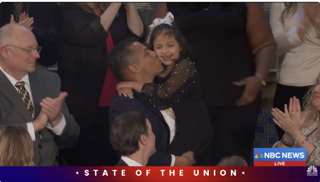
Minnesota Democrat lawmaker-elect Abdi Daisane’s wife, Ayan Ahmed Aidid, entered the United States illegally through the southern border and was released into the country by federal authorities, according to the Department of Homeland Security (DHS).
Explainer Border Security in America: Challenges, Strategies, and Conservative Solutions
The case has drawn renewed attention to immigration enforcement practices and sparked criticism from Republican lawmakers and advocacy groups, who argue that the incident highlights broader concerns about border security and the handling of unauthorized migrants.
Daisane, who won House District 14A in the St. Cloud area with 51.59% of the vote, is the first Somali American elected to the Minnesota Legislature from that region. His victory marked a milestone for representation in the state, but his wife’s immigration status has become a focal point in debates over federal and state immigration policy. Aidid’s status was confirmed by a DHS spokesperson, who said the 30-year-old Somali national crossed the border on foot near the San Ysidro Port of Entry on April 2, 2023. She was arrested by Customs and Border Protection (CBP) four miles west of the port but was subsequently released by the Biden administration.
DHS Statement and Border Release
A DHS spokesperson told the Daily Signal that Aidid “illegally entered the United States on foot through the southern border on April 2, 2023.” The spokesperson added that she was apprehended by CBP and then released into the country, “completely unvetted, despite having no legal permission to be in the United States.”
U.S. Immigration and Customs Enforcement (ICE) also referenced the case on social media, stating that Aidid was apprehended but released after her illegal entry. The agencies did not immediately respond to requests for comment on whether there are plans to deport Aidid or on the specific reasons for her release.
The release of migrants after apprehension at the border is not uncommon, especially in cases where detention facilities are at capacity or when individuals claim asylum and are scheduled for future immigration hearings. However, critics argue that such releases can undermine immigration law and public confidence in the system.
Political and Public Response
The case has prompted a strong response from political figures. U.S. House Majority Whip Tom Emmer, R-Minn., criticized the situation, arguing it reflects poorly on Minnesota and the nation’s immigration enforcement.
"[This is] yet another example of Minnesota becoming a laughingstock to the rest of the country."
— Tom Emmer, U.S. House Majority Whip
Emmer further stated, “We just elected a Democrat to our state Legislature whose wife, according to DHS, illegally crossed our southern border in 2023 and was subsequently released into our country by the Biden administration. Between the rampant fraud plaguing our state and the continued disregard for our laws, Minnesotans have had enough.”
Hannah Fay, founder of Women for Mass Deportation, also called for Aidid’s removal from the country, saying, “Abdi Daisane’s wife should not be in America. I don’t care if the only law she broke was entering the country illegally. That should be enough to get her deported.”
Daisane did not respond to requests for comment from the Daily Signal regarding his wife’s status. There has been no public statement from Daisane or his campaign on the matter.
Broader Context in Minnesota
Minnesota has been a focus of federal enforcement efforts in recent years. The Justice Department has issued more than 1,000 subpoenas and executed over 40 premises warrants in the state this year, uncovering nearly $30 million in benefits fraud. The Trump administration previously highlighted Minnesota in its campaign against fraud and illegal immigration, citing the state as an example of the challenges facing immigration enforcement nationwide.
While critics argue that the release of unauthorized immigrants undermines the rule of law and public safety, supporters and officials have not publicly addressed the specific circumstances of Aidid’s case or provided a response to the criticism. The debate over border policy and enforcement continues to be a contentious issue in Minnesota and across the country, with the case of Daisane’s wife serving as a flashpoint for broader discussions about immigration reform, border security, and the responsibilities of federal and state authorities.
As of now, it remains unclear whether DHS or ICE will take further action regarding Aidid’s status. The situation continues to draw attention from both state and national observers, highlighting the ongoing complexities and controversies surrounding U.S. immigration policy.