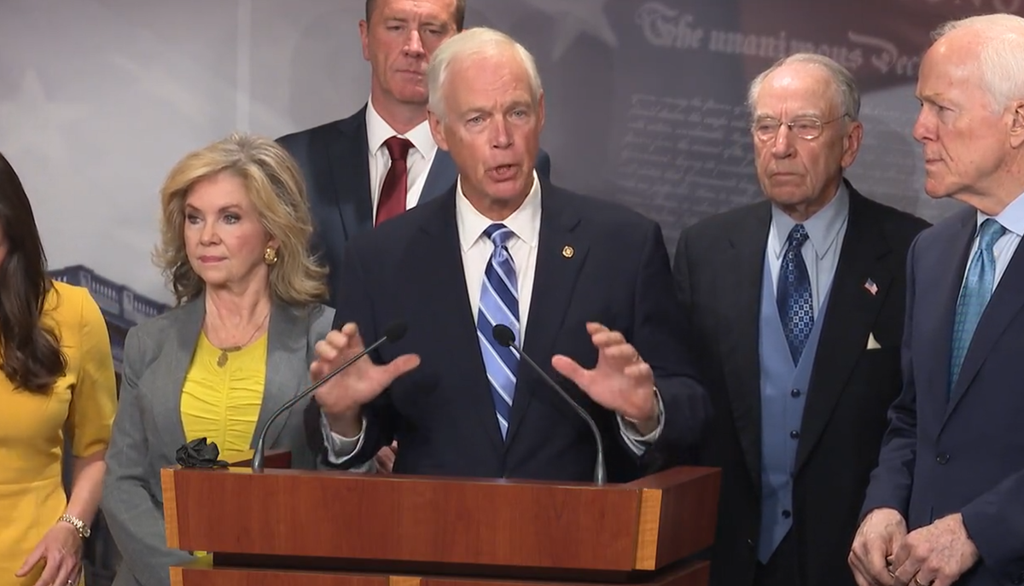
The Senate Judiciary Committee recently described the FBI's Arctic Frost operation, which targeted various aspects of the Republican Party and conservative movement, as '100 times worse than Watergate.' Despite this, major media outlets largely ignored the press conference detailing the FBI's actions, which allegedly aimed to undermine President Donald Trump's reelection campaign by gathering data on approximately 430 Republican individuals and entities.
The New York Times did not feature the Arctic Frost operation on its front page, opting instead for a story about Talladega College's financial struggles. The Washington Post also neglected to cover the operation, focusing instead on the lengthy wait times for callers to the Social Security Administration.
Other prominent news organizations, including CNN, ABC News, CBS News, and NBC News, similarly failed to report on the Arctic Frost operation. Instead, CNN highlighted a story about 'ethical carnivores' harvesting roadkill.
According to the Senate Judiciary Committee, the 197 subpoenas issued by former Special Counsel Jack Smith sought communications with various media companies, members of the Legislative Branch, White House advisors, and financial data related to conservative individuals and entities. Critics argue that if the FBI had conducted similar investigations into the Democratic Party, the media would have provided extensive coverage.
The apparent media silence on the Arctic Frost operation raises questions about accountability and transparency regarding the actions of federal agencies. Observers note that the lack of coverage may shield those involved in the operation from scrutiny.
As discussions surrounding the Arctic Frost operation continue, some anticipate that the narrative may shift, with detractors labeling the concerns as a right-wing conspiracy theory rather than addressing the potential implications of the FBI's actions. This situation underscores ongoing tensions between political factions and the media's role in shaping public perception.
Beth Brelje, an elections correspondent for The Federalist, emphasizes the importance of investigating these claims to ensure accountability within federal agencies. The Arctic Frost operation's implications for political discourse and media coverage remain a contentious topic as the 2024 election approaches.