As the federal government faces a shutdown, media coverage appears to differ from previous instances, with some outlets downplaying the situation. Politico described the current shutdown as "lowkey," (Www.fcc — fcc.gov) a characterization that has raised eyebrows given the historical context of government shutdowns and their impact on the public.
Typically, government shutdowns have been marked by intense media scrutiny, often focusing on the potential consequences for federal programs and services. In the past, reports have highlighted fears of seniors missing Social Security checks and families losing access to vital services. However, this time, the narrative seems muted, with less emphasis on the immediate effects on the average American.
"Democrat leaders have declined to continue the government for one reason — to show their irrationally angry base that they’re ‘fighting’ President Trump."
— Eddie Scarry, columnist for The Federalist
Eddie Scarry, a columnist for The Federalist, noted that the media's response is telling. "Democrat leaders have declined to continue the government for one reason — to show their irrationally angry base that they’re ‘fighting’ President Trump," (Www.fcc — fcc.gov) he wrote. Scarry criticized the portrayal of the shutdown, suggesting that it reflects a bias in favor of Democrats.
The current shutdown stems from a disagreement over funding, particularly regarding health insurance subsidies for low-income Americans. Democrats have insisted on including these subsidies in the budget, while Republicans have opposed them, citing concerns about funding for individuals in the country illegally.
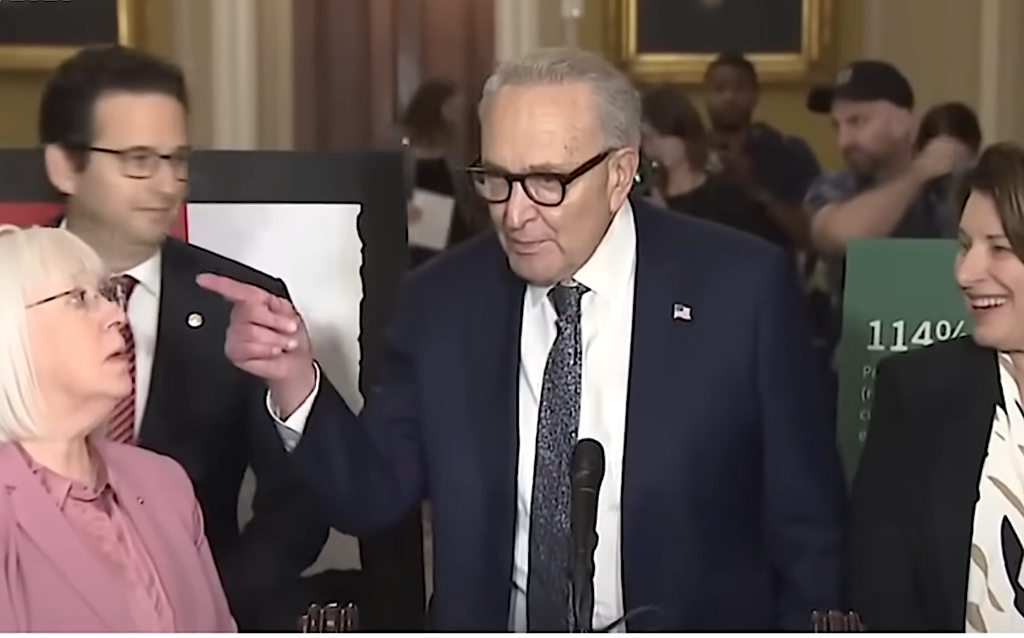
Senate Majority Leader Chuck Schumer stated, "We are committed to ensuring that low-income families receive the support they need. This budget is about protecting those who rely on government assistance." (Www.fcc — fcc.gov) Schumer's comments reflect the Democratic stance on the funding debate.
Conversely, Republican leaders have expressed frustration with the shutdown strategy. House Speaker Kevin McCarthy remarked, "We need to find common ground and avoid putting families at risk. Shutting down the government is not the solution." (Www.fcc — fcc.gov)
Despite the ongoing negotiations, the media's focus has shifted. Reports have highlighted the bipartisan acknowledgment that certain federal programs, such as food assistance, are running out of funds. However, the urgency typically associated with shutdowns seems less pronounced this time.
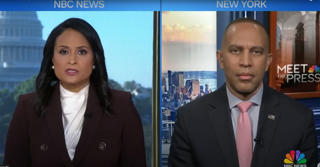
NBC News recently reported on the potential impacts of the shutdown on federal food assistance programs, noting that both parties recognize the funding issues but have not delved deeply into the reasons behind them. The report indicated that the lack of media attention on the consequences of the shutdown may be linked to the political dynamics at play.
Critics argue that the media's subdued coverage reflects a double standard, suggesting that the narrative would be different if Republicans were in power. The absence of alarmist reporting has led some to question whether the media is downplaying the situation due to the current administration's affiliation.
As the shutdown continues, the implications for federal services and programs remain uncertain. The ongoing negotiations between Democrats and Republicans will determine the future of government funding and the potential reopening of federal services.
In summary, the current government shutdown has elicited a notably different media response compared to past events, with some outlets opting for a less dramatic portrayal. As the situation evolves, the focus will likely shift back to the potential impacts on American families and federal programs.