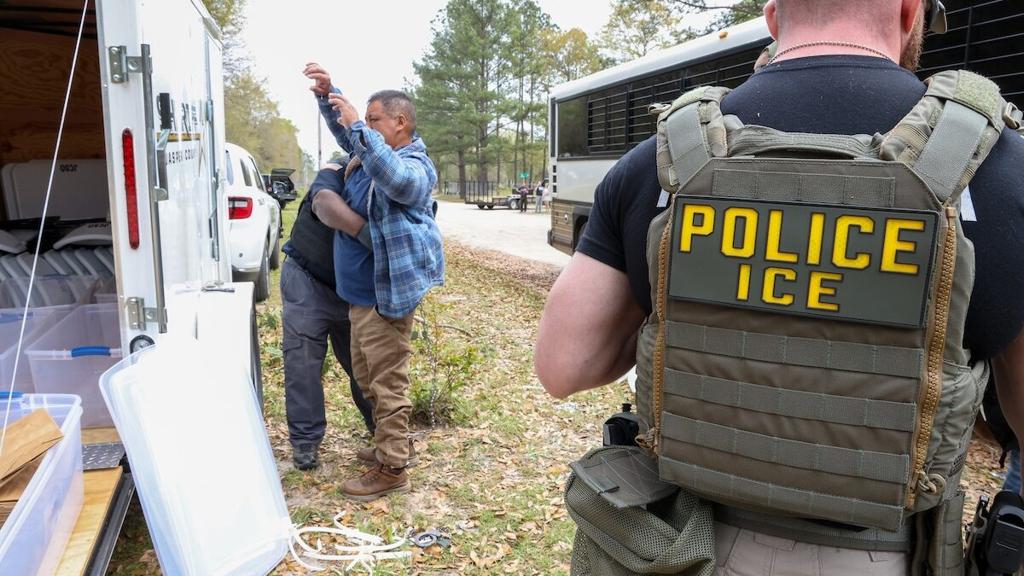
A columnist for The Federalist has attributed the increase in high-profile deportation cases and strains on U.S. social services to Democratic immigration policies over the past decade, citing both policy decisions and changing migrant demographics at the southern border.
The debate centers on whether Democratic opposition to stricter border enforcement and deportations has led to a surge in unauthorized immigrants, including families and children, and increased pressure on public resources.
Changing Border Demographics
Recent years have seen a significant shift in the makeup of migrants arriving at the U.S.-Mexico border. According to a PRRI analysis, there has been an increase in women and children among those seeking entry. This marks a departure from previous decades, when the majority of migrants were single men from Mexico seeking work. The changing demographics have contributed to new challenges for border communities and federal agencies tasked with processing arrivals.
The PRRI report notes that as of late 2023, more than 10,000 immigrants per day—mostly asylum seekers—were arriving at the southern border. Shelters in border towns have been over capacity, with thousands of migrants, including children, waiting in harsh conditions to apply for asylum. The influx has led to the creation of encampments and has strained local resources, including housing, food, and medical services.
High-Profile Deportation Cases
The columnist, Eddie Scarry, pointed to the story of Patricia Rojas, a Mexican national who wrote in The New York Times about leaving the U.S. after two decades when her legal options expired. Rojas described following immigration rules for 25 years but ultimately being forced to self-deport, asking, “How is it possible to grow up in America legally but not have a clear path to citizenship?”
"I left because, after my family and I had followed every immigration rule for 25 years, our archaic immigration system offered me no means to stay."
— Patricia Rojas, Mexican national
Scarry argued that while Americans once sympathized with long-term residents like Rojas, public attitudes have shifted as the scale and nature of migration changed. He claimed that earlier waves of mostly single men from Mexico seeking work have been replaced by families seeking access to social services, and alleged that some newcomers have committed violent crimes. Scarry suggested that these changes have contributed to growing public frustration with the immigration system and with policies perceived as permissive.
Policy Decisions and Political Responsibility
Scarry placed primary responsibility for these developments on Democrats, citing their opposition to border wall construction, resistance to increased funding for immigration enforcement, and defense of unauthorized immigrants facing deportation. He also referenced an incident in which a Democratic senator traveled to Central America to support an individual previously found by a U.S. court to be a violent gang member.
"When one political party in this country is willing to go that far to keep foreigners here, the goodwill Americans had for any of them starts to run out fast, including those like Patricia Rojas."
— Eddie Scarry, columnist
While Scarry acknowledged that some Republicans have contributed to the current situation, he argued that Democratic actions have been the primary driver of recent immigration trends and the resulting challenges. According to Scarry, Democratic opposition to stricter enforcement has made it more difficult for authorities to manage the border and has encouraged more migrants to attempt entry, further straining public services.
Humanitarian and Legal Complexities
Supporters of more permissive immigration policies have not directly responded to these criticisms in the cited sources. However, Rojas’s op-ed and PRRI’s reporting highlight the complex humanitarian and legal issues facing migrants and the communities that receive them. Migrants often face lengthy waits for asylum hearings, limited access to legal counsel, and uncertainty about their futures. Local governments and non-profit organizations have struggled to provide adequate support as the number of arrivals has grown.
The ongoing debate reflects broader national tensions over border security, the future of U.S. immigration law, and the capacity of public services to absorb new arrivals. The situation at the border remains a contentious issue in American politics, with policymakers divided over the best approach to enforcement, humanitarian relief, and long-term reform.
As the demographic makeup of migrants continues to evolve and the number of arrivals remains high, the challenges facing both migrants and U.S. communities are likely to persist. The debate over responsibility and solutions is expected to remain at the forefront of national discussions on immigration policy.