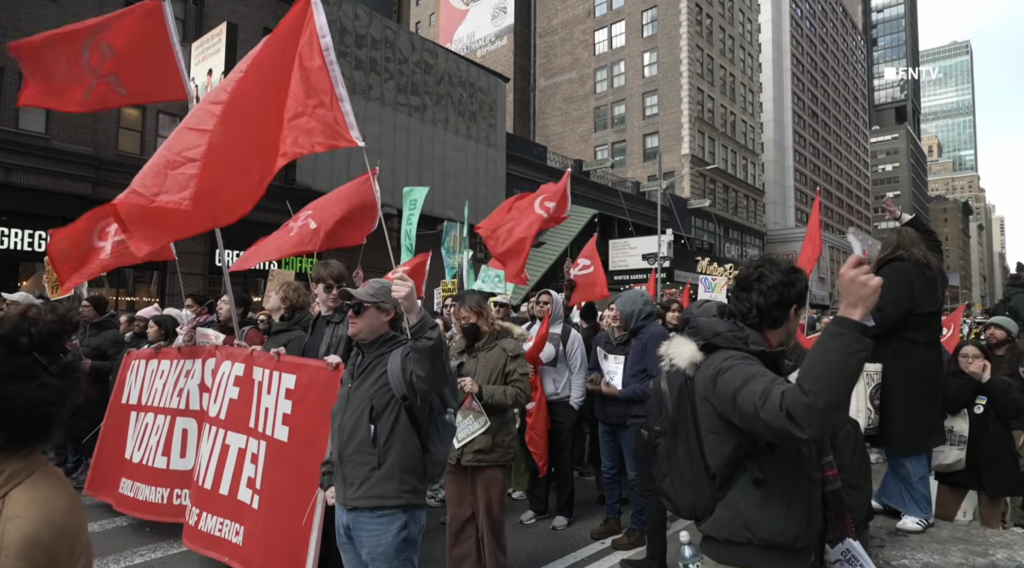
Protests took place in Los Angeles over the weekend, with demonstrators rallying against what they described as executive overreach by President Trump. The event, dubbed the "No Kings" protest, drew criticism for its perceived lack of clarity regarding the specific grievances being voiced by participants.
Explainer Understanding Immigration Enforcement: Policies and Controversies
The core tension lies in the juxtaposition of protesters demanding accountability from the executive branch while simultaneously calling for actions that some critics argue undermine the legislative process. The protests coincided with President Trump signing a memorandum to ensure TSA employees were paid without congressional approval, prompting backlash from Democratic lawmakers.
The protests were marked by a mix of celebrity appearances and calls for a return to constitutional governance. Critics noted the irony of participants demanding that Trump respect the Constitution while simultaneously advocating for unilateral federal spending. "Let the record show: Trump could've signed the executive order to pay TSA day 1," tweeted Congresswoman Delia C. Ramirez, highlighting the inconsistency in the protesters' demands.
Historical Context of Campus Protests
The recent protests echo a broader trend of campus activism that has evolved over the past decade. Following the 2014 death of Michael Brown in Ferguson, Missouri, college campuses across the nation became hotbeds for protests against systemic racism and institutional authority. At the University of Missouri, students occupied a campus quad, demanding the resignation of the university president while receiving support from the administration itself.
Similarly, at Amherst College in 2015, students occupied the Frost Library to protest against the college administration, which, in a surprising turn, provided support and resources to the protesters. This dynamic raised questions about the authenticity of such protests, as the very institutions being challenged often appeared to endorse the dissent.
The Nature of Modern Protest
Critics argue that the current form of protest lacks substantive opposition and is more performative than impactful. Chris Bray, a historian and former infantry sergeant, described the phenomenon as a self-mau-mauing of liberal authority, where institutions theatrically oppose themselves to maintain their power. "Living as anti-authority authorities who protest against authority to protect their authority, leftists embedded in institutions become gelatin," Bray wrote, suggesting that the protests are more about maintaining a cultural identity than enacting real change.
The recent protests featured a mix of slogans and chants that some observers found lacking in coherence. Videos from the event showed participants struggling to articulate specific grievances, leading to mockery on social media. One tweet captured the sentiment: "OMG 😂 the cringe in Los Angeles at the 'No Kings' rally… full-on chaos outside City Hall."
Responses and Reactions
While the protests have drawn significant attention, responses from Democratic leaders have been mixed. Some lawmakers have criticized Trump's actions, while others have not directly addressed the inconsistencies highlighted by critics. The lack of a unified message from the Democratic Party raises questions about its effectiveness as an opposition force.
Supporters of the protests argue that they are a necessary response to perceived authoritarianism and that the energy displayed at these events reflects a genuine concern for democratic principles. However, the ongoing criticism suggests that without a clear agenda, the protests may struggle to resonate with a broader audience.
As the political landscape continues to evolve, the effectiveness of such protests in influencing policy and public opinion remains uncertain. The interplay between grassroots activism and institutional support complicates the narrative, leaving many to wonder about the future direction of the Democratic Party and its ability to mobilize effectively against perceived overreach.