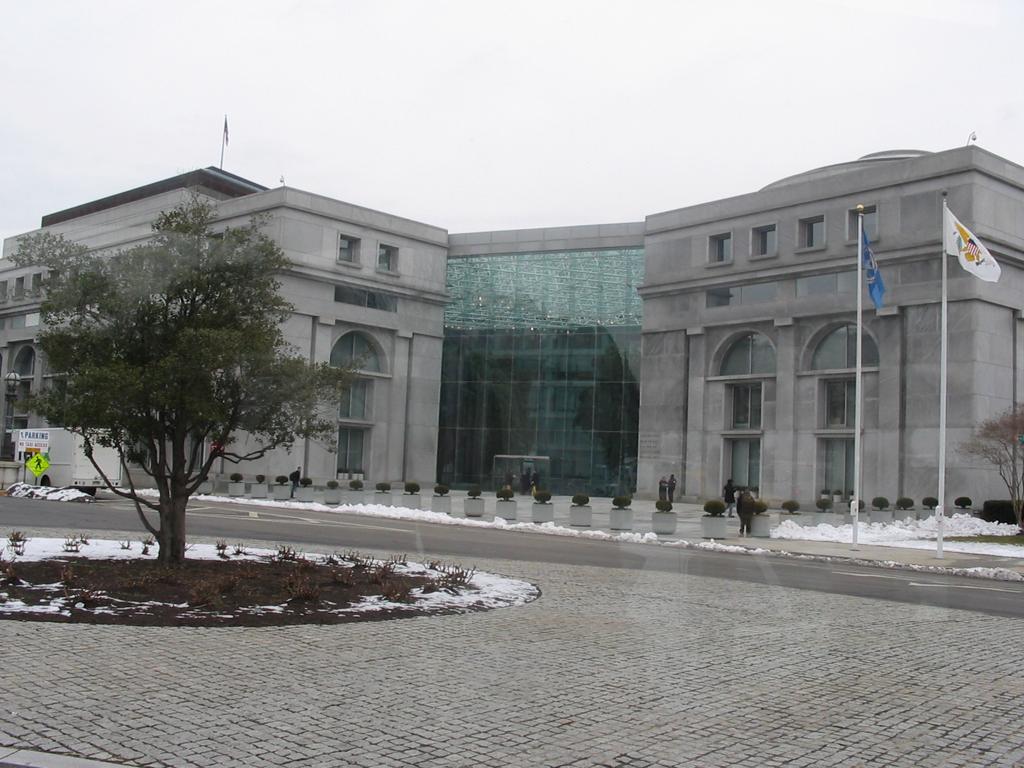
The Federal Judicial Center (FJC) is currently under scrutiny following revelations that several authors of a scientific advisory guide, which is used to inform federal judges, have connections to left-wing political activism and have made significant financial contributions to Democratic causes. This discovery raises serious questions about the impartiality of the FJC, which is intended to provide objective and unbiased information to the judicial system. The implications of these findings could have far-reaching effects on the legal landscape in the United States.
Critics of the FJC argue that the involvement of these authors undermines the credibility of the guidance provided to judges, which could potentially impact legal decisions in cases that involve scientific evidence. The FJC has faced criticism for its increasing reliance on perspectives that some observers view as politically motivated, particularly in contexts related to environmental issues and forensic science.
The investigation conducted by The Federalist highlights that the authors of the FJC's “Reference Guide on Forensic Feature Comparison Evidence” have made numerous donations to Democratic candidates and organizations. Among these authors is Valena Beety, a law professor at Indiana University, who has publicly expressed her support for progressive causes, including abortion rights and transgender issues. Reports indicate that Beety has made over 100 contributions to Democratic fundraising platforms, raising concerns about her potential influence on judicial guidance and the objectivity of the information provided to judges.
Background and Reactions
Another co-author, Jane Campbell Moriarty from Duquesne University, has also been linked to significant donations to Democratic campaigns, including those of prominent figures such as Hillary Clinton and Pennsylvania Senator John Fetterman. Moriarty has written critically about the Trump administration and has expressed concerns regarding the perceived decline of expertise in government, which she attributes to Republican policies. Her political affiliations and public statements further contribute to the concerns surrounding the FJC's advisory guide.
Andrea Roth, a professor at UC Berkeley, has similarly contributed to Democratic causes and has been an advocate for criminal justice reform. Her past writings include support for President Obama’s initiatives aimed at reducing incarceration rates. Roth's involvement in the FJC's advisory guide underscores the pattern of partisan affiliations among its authors, raising further questions about the objectivity of the guidance provided to federal judges.
Concerns Over Judicial Impartiality
The FJC's apparent acceptance of these authors has drawn criticism from some lawmakers. Senator Eric Schmitt (R-Mo.) stated, "No more taxpayer-funded ideological conditioning for federal judges," suggesting that the FJC's practices could compromise judicial neutrality. He argued that the influence of left-wing ideologies in judicial training undermines the integrity of the judicial process and could lead to biased outcomes in court.
Supporters of the FJC have not publicly addressed these criticisms, and it remains unclear how the agency plans to respond to the growing concerns about its nonpartisan image. Historically, the FJC has positioned itself as a neutral entity, providing essential resources to judges without political bias. However, the current scrutiny may challenge this perception.
The Broader Implications
This situation reflects a broader concern regarding the intersection of academia and the judiciary, particularly in how scientific evidence is interpreted in legal contexts. As federal judges increasingly rely on guidance from the FJC, the potential for bias in these resources raises significant questions about the fairness of judicial outcomes. The FJC's reliance on authors with clear political affiliations may lead to a perception of bias in judicial proceedings, especially in cases involving contentious issues such as climate change and forensic evidence.
Critics argue that this could have lasting implications for the legal system, as judges may be influenced by the ideologies embedded in the guidance they receive. As the investigation continues, the FJC's practices and the qualifications of its contributors will likely remain a focal point of debate among legal scholars, policymakers, and the public. The agency's ability to maintain its nonpartisan stance in the face of these revelations will be crucial for restoring confidence in its role within the judicial system. The outcome of this scrutiny may ultimately shape the future of judicial guidance and the relationship between political ideologies and the judiciary.