Since President Trump’s return to office, left-wing activists have initiated numerous lawsuits aimed at challenging the administration’s policies, primarily in Democrat-controlled district courts. Critics argue that this strategy seeks to generate favorable rulings from judges perceived as sympathetic to their cause, effectively hindering the enforcement of the president's agenda.
The core tension lies in the implications of these legal actions for the U.S. Supreme Court's credibility and public trust. As the court navigates a series of emergency requests stemming from these lawsuits, questions arise about its independence and the potential for politicization.
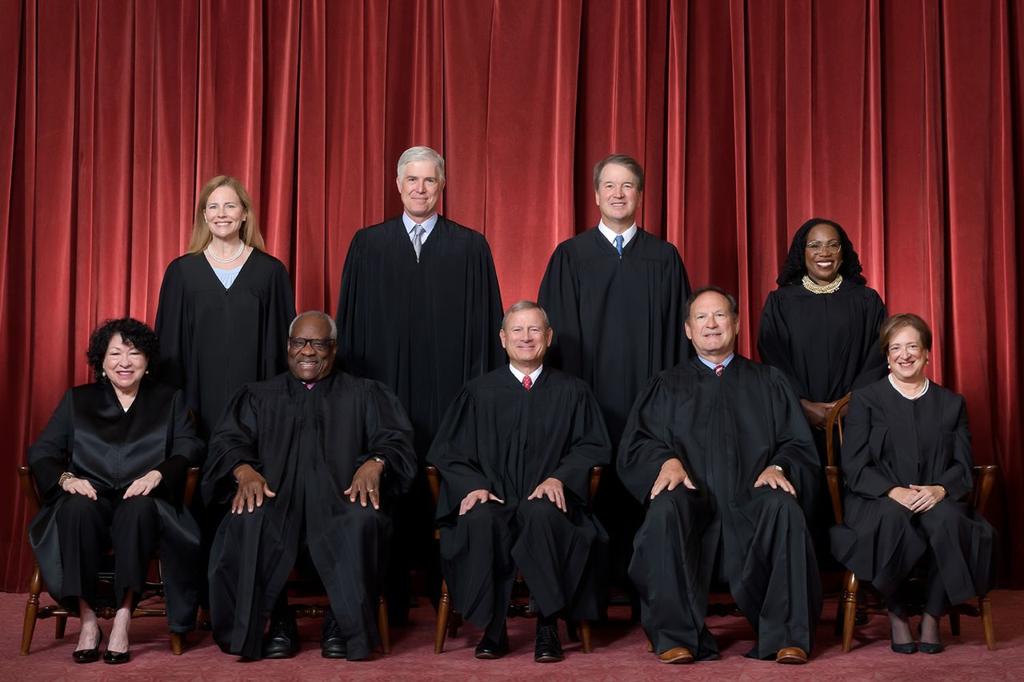
Activists have increasingly turned to the Supreme Court’s emergency docket, which handles cases still under consideration in lower courts. This docket allows the justices to issue temporary stays on lower court rulings, a process that has become a focal point of contention. Associate Justices Brett Kavanaugh and Ketanji Brown Jackson recently engaged in a discussion regarding the implications of these emergency rulings, highlighting the court's obligation to respond to such applications.
Key Details
In many instances, judges in lower courts have granted injunctions that block Trump administration policies, compelling the administration to seek relief from the Supreme Court. The justices have often responded by temporarily pausing these lower court injunctions, but these decisions are not final judgments on the merits of the cases. Instead, they serve as preliminary measures while litigation continues.
Background and Reactions
Kavanaugh and fellow Justice Amy Coney Barrett have noted that the court cannot avoid ruling on emergency applications, stating, "They must decide whether to grant or reject them." This necessity has led to accusations from some Democrats and their allies, who argue that the Supreme Court is acting as a partisan entity favoring the Trump administration.
Critics of the court's actions have labeled the emergency docket as a “shadow docket,” suggesting that it operates outside the normal judicial process and lacks transparency. They contend that the court's decisions in these cases reinforce the perception that it is a partisan tool for the president, undermining public confidence in its integrity. Polling data from outlets like NBC News indicates a decline in public trust in the Supreme Court, which some attribute to these ongoing legal battles.
Despite the criticisms, supporters of the court argue that the justices are fulfilling their constitutional role by adjudicating these emergency requests. They contend that the court has largely resisted public pressure and maintained its commitment to legal principles. However, the ongoing narrative from critics suggests that the court's actions are being manipulated for political gain.
The situation presents a complex dynamic where the left's legal strategy could inadvertently bolster claims of judicial bias against the court. If the Supreme Court were to rule against the Trump administration in these emergency cases, it would allow lower court injunctions to remain in place, effectively achieving the desired outcomes of the activists.
As the Supreme Court continues to handle these cases, the stakes remain high. The justices must navigate the delicate balance between upholding the law and addressing the growing concerns about their legitimacy. Critics argue that the left's campaign against the court aims to erode its credibility, particularly as it remains one of the few institutions not under their control.
In summary, the ongoing legal challenges against the Trump administration have sparked a significant debate over the role of the Supreme Court and its perceived impartiality. While some view these lawsuits as a necessary check on executive power, others warn that they may lead to a lasting erosion of public trust in the judiciary. As the court grapples with these issues, it faces pressure from both sides of the political spectrum, underscoring the contentious nature of contemporary judicial politics.