The Wisconsin Supreme Court is preparing to hear an appeal from attorney Jim Troupis, who is facing criminal charges related to his involvement in the 2020 election. Troupis, along with two other defendants, is accused of engaging in unlawful activities while assisting Donald Trump in contesting the election results. The case has drawn significant attention due to allegations of judicial misconduct and potential bias among the judges involved.
Explainer Election Integrity: Protecting Voter Rights in Modern America
At the heart of the case is the tension between legal representation in politically charged environments and the integrity of the judicial process. Troupis argues that he provided lawful representation in organizing a slate of contingent electors, a practice he claims is supported by historical precedent. Critics, however, contend that his actions were part of a broader effort to undermine the election results.
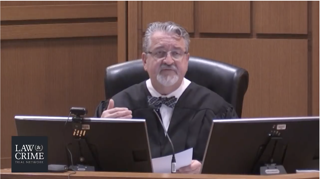
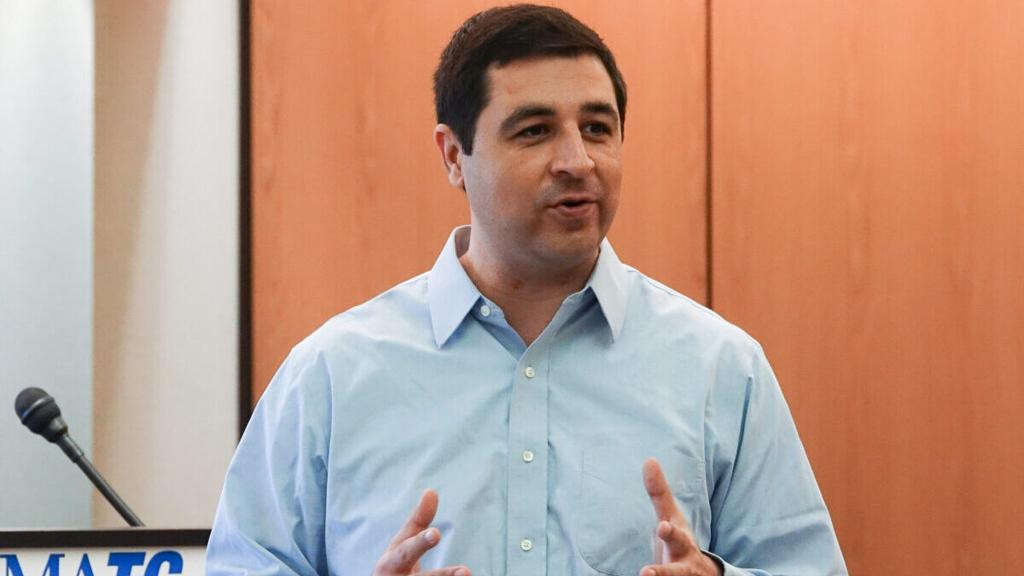
Troupis, a former judge and respected attorney, has been accused of fraud despite findings from Wisconsin Attorney General Josh Kaul's office that indicated no legal violations occurred. Troupis's legal team asserts that the prosecution is politically motivated and lacks a solid legal foundation. They have filed motions to disqualify the trial judge, John Hyland, citing concerns over his impartiality and alleged misconduct in handling the case.
Allegations of Judicial Misconduct
Troupis's appeal includes claims that Judge Hyland did not personally write the order denying a motion to dismiss the case. Instead, parts of the order were reportedly drafted by retired Judge Frank Remington, who has a familial connection to Hyland's law clerk. Troupis's lawyers argue that this situation raises serious questions about ex parte communications, which are prohibited under Wisconsin's Code of Judicial Conduct.
"Hyland refused to hold an evidentiary hearing to investigate the alleged impropriety and would not even acknowledge the expert’s analysis," Troupis's legal team stated in their appeal. They contend that this refusal undermines the fairness of the judicial process and suggests a bias against Troupis and his co-defendants.
The Wisconsin Court of Appeals has not acted on these allegations, leaving Troupis's team feeling that the judicial system may be turning a blind eye to potential misconduct targeting politically disfavored defendants.
Supreme Court's Potential Bias
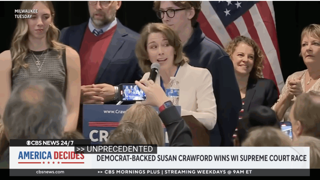
As the case moves to the state Supreme Court, Troupis has requested the recusal of Chief Justice Jill Karofsky and Justice Rebecca Dallet. He claims both justices have demonstrated hostility toward Trump and his supporters in previous rulings and public statements. Troupis cites instances where Karofsky accused him of attempting to overturn the election to keep Trump in power, calling such claims "un-American."
In his recusal motion, Troupis argues that Dallet has made similarly charged statements, including allegations that his actions were racially motivated. "Such behavior would be shocking coming from any lawyer, much less the chief justice of a state supreme court," Troupis's motion asserts.
Supporters of Kaul's prosecution maintain that the legal actions taken against Troupis and others are necessary to uphold the rule of law and ensure accountability for actions that could undermine electoral integrity. However, they did not respond to specific allegations of bias or misconduct raised by Troupis's team.
Historical Context and Legal Precedent
The controversy surrounding Troupis's case is set against a backdrop of historical precedents involving contingent electors. Troupis argues that his actions were consistent with practices from previous elections, including the 1960 Kennedy campaign, where contingent electors were organized in response to contested results.
Federal law mandates that contingent electors must cast their votes by a specific deadline to be counted if an election contest is successful. Troupis's defense hinges on the argument that he was acting within the bounds of established legal practices during a time of electoral uncertainty.
As the Wisconsin Supreme Court prepares to hear the appeal, the outcome could have significant implications for the defendants and the broader discourse on election integrity and judicial impartiality. The case highlights the complex interplay between legal representation, political motivations, and the judicial system's role in adjudicating disputes arising from contentious elections.