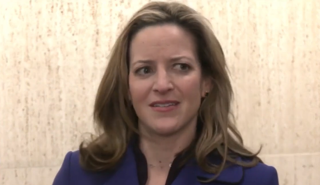
The U.S. Supreme Court has made the decision to decline reviewing a lawsuit that aimed to compel Michigan Secretary of State Jocelyn Benson to remove deceased individuals from the state's voter rolls. This decision was made without any accompanying comments and effectively leaves in place the rulings of lower courts that determined Benson's office had made reasonable efforts to maintain accurate voter registration lists.
Explainer Election Integrity: Protecting Voter Rights in Modern America
The core issue at hand revolves around allegations that Michigan's voter rolls contain thousands of names of deceased individuals. Critics of the current system argue that this situation undermines the integrity of elections in the state. The Public Interest Legal Foundation (PILF), the organization that filed the lawsuit in 2021, claims that the state has violated the National Voter Registration Act by failing to adequately clean its voter lists.
PILF's analysis has identified nearly 26,000 likely deceased individuals who are still registered to vote, with some of these individuals having been deceased for decades. The organization contends that the efforts made by Secretary Benson to maintain the voter rolls are insufficient. They have sought clarification from the Supreme Court regarding what constitutes reasonable maintenance standards for voter registration lists.
Legal Background
The lawsuit was initially dismissed by a federal district court, and this decision was upheld by the U.S. Sixth Circuit Court of Appeals in 2024. The appeals court ruled that Benson's office had made what it deemed "reasonable efforts" to remove deceased individuals from the voter rolls. However, PILF argues that this standard is too vague and requires judicial clarification to ensure proper enforcement.
In defense of her office's practices, Benson has asserted that Michigan is proactive in keeping its voter files updated. In a press release, she stated, "Michigan is one of the most active states in the nation when it comes to keeping our voter file up to date and cancelling the registrations of people who have died." She characterized the PILF lawsuit as a partisan attack aimed at undermining public confidence in elections, suggesting that the motivations behind the lawsuit are politically driven rather than based on genuine concerns about voter integrity.
Political Reactions
Critics of Secretary Benson, including Michigan Senate Republican Leader Aric Nesbitt, have expressed ongoing concerns regarding her management of elections. Nesbitt has accused her of failing to remove deceased individuals from the voter rolls and allowing noncitizens to vote. He stated, "She continues to fight against transparency and accountability, refuses to remove dead people from our state’s voter rolls and is happy to let noncitizens vote in our elections."
Nesbitt, along with 21 Republican lawmakers, has called for federal oversight of Michigan's elections. They cite Benson's dual role as Secretary of State and a candidate for governor as a potential conflict of interest. These lawmakers have raised alarms about her refusal to cooperate with federal authorities regarding voter registration records, further intensifying the scrutiny on her office's practices.
Ongoing Legal Challenges
Benson's office has faced approximately 70 lawsuits, which is more than the combined total of lawsuits faced by Michigan's previous four secretaries of state. Recent court rulings have found her office in violation of election laws concerning poll challengers and signature verification for mail ballots. Additionally, a review conducted by the Fair Election Fund of secretaries of state in battleground states assigned Benson a "D" grade for election integrity, citing multiple failures that undermine voter confidence in the electoral process.
Despite the ongoing criticism, Benson's office has maintained that it is committed to ensuring fair and secure elections in Michigan. However, the lack of a detailed response from her office regarding specific allegations raised by critics leaves lingering questions about the transparency of Michigan's election administration.
The Supreme Court's decision not to hear the case means that the current legal framework regarding voter roll maintenance in Michigan will remain unchanged, at least for the time being. As the state approaches future elections, the debate over the integrity of its voter rolls is likely to continue, with both sides firmly entrenched in their respective positions. The implications of this decision may resonate in future electoral cycles as stakeholders continue to advocate for their views on election integrity and voter registration practices.