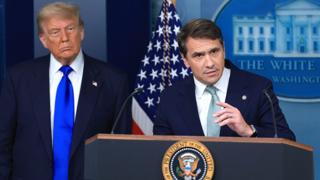
Montana has become the 25th state to join the federal initiative "A Home for Every Child," aimed at addressing the national shortage of foster parents by welcoming religious Americans back into the system. The initiative, launched under the Trump administration, seeks to reverse Biden-era policies that critics argue have limited opportunities for faith-based families to participate in foster care.
The core tension lies in the clash between fostering regulations that some say discriminate against religious beliefs and the urgent need for more foster homes across the country. Currently, the Administration for Children and Families (ACF) reports that only 57 licensed foster homes are available for every 100 children entering foster care nationwide.
The initiative is backed by an $11.4 billion investment and aims to create a 1:1 ratio of foster homes to children in every state. It emphasizes streamlining the licensing process for foster families and encouraging faith-based partnerships to expand the network of available homes. First Lady Melania Trump has made supporting foster children a key philanthropic focus.
Reversal of Previous Policies
The initiative marks a significant policy shift from the Biden administration's 2022 rules, which required prospective foster parents to support a child's gender identity, including administering treatments for gender dysphoria. Critics, including Assistant Secretary for the ACF Alex Adams, argue that these rules have led to a decrease in available foster homes. "What the Biden administration rule did is it constricted the number of [foster] homes, because your most likely family to foster is a family of sincerely held beliefs and religious convictions," Adams told The Federalist.
The Who Cares Project estimates that the number of available foster homes has dropped by 19 percent between 2019 and 2025, a trend that advocates for religious families attribute to anti-religious discrimination in many states. According to a queer activist organization, 42 out of 50 states have laws that may prevent religious parents from fostering children, particularly those who identify as LGBTQ.
Personal Experiences of Discrimination
Two Christians from Wisconsin shared their experiences of facing discrimination while trying to become foster parents. After a miscarriage, Sarah (a pseudonym) and her husband sought to foster children, motivated by their faith. However, during their licensing interview, they were questioned about their views on parenting LGBTQ children. Sarah recounted, "We’re going to tell them honestly what we think. We think their bodies are beautiful the way that they’re created, male or female." The official responded that their views disqualified them from fostering LGBTQ children.
As a result of their beliefs, state officials marked their home as unsuitable for children over the age of ten, citing their refusal to promote what they termed "promiscuous behavior" or gender transition. The Wisconsin Department of Children and Families did not respond to requests for comment on this case.
Sarah expressed hope that the new initiative will alleviate what she sees as unconstitutional barriers to fostering for families like hers. The ACF has sent letters to all 50 states reminding them that children cannot be removed from their homes solely based on parents' religious beliefs regarding gender identity.
Legal Developments in Other States
In a related development, Washington state recently agreed to a permanent injunction protecting the rights of religious families to serve as foster parents without being compelled to promote gender ideology. This ruling followed a lawsuit by long-time foster parents Shane and Jennifer DeGross, who were denied a full fostering license due to their religious objections to socially transitioning children. A federal district court ruled that the state's policy violated the First Amendment.
Following this ruling, Washington revised its foster-care policy to ensure that no conditions are attached to licenses based solely on religious beliefs. The DeGrosses have since reapplied for their fostering license.
Starting this fall, states participating in "A Home for Every Child" will report their foster home-to-child ratios to the ACF, which will use the data to recommend policy changes. Adams believes that as more states join the initiative, others will feel compelled to follow suit. "Once you get to that tipping point where more than half of all jurisdictions have joined, suddenly the other states feel like they’re missing out," he said, noting that he has received interest from both Republican and Democrat states.