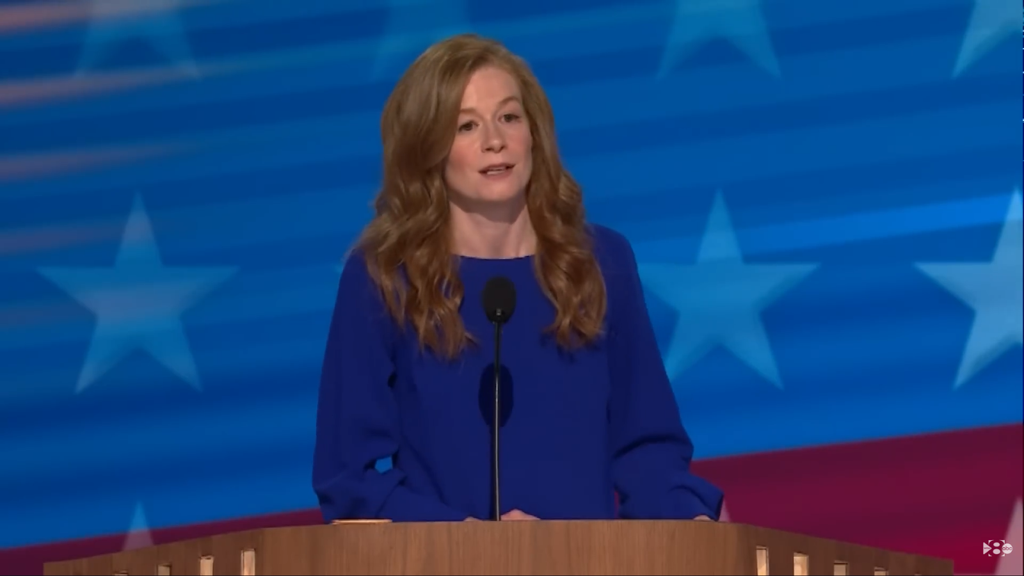
Michigan State Senator Mallory McMorrow, a Democratic candidate for the U.S. Senate, recently made controversial remarks about Supreme Court Justices Amy Coney Barrett and Brett Kavanaugh, suggesting she would throw beers at them if given the chance. The comments, made during a campaign event, have drawn criticism and reignited discussions about political violence and rhetoric in the current political climate.
Explainer Election Integrity: Protecting Voter Rights in Modern America
McMorrow's remarks highlight a growing concern regarding the tone of political discourse, particularly among some Democratic figures. Critics argue that such comments contribute to a culture of hostility and could incite violence against political opponents.
During a question-and-answer session at a campaign event, McMorrow expressed her disdain for Barrett, a fellow Notre Dame graduate, stating, "I would not be able to control myself. There would be beers thrown in peoples’ faces." This statement followed an anecdote about Barrett being seen with Kavanaugh at a tailgate event, which McMorrow described as personally upsetting.
Context of Political Rhetoric
The incident is not isolated, as threats against conservative justices have been reported in recent years. In 2020, Senate Minority Leader Chuck Schumer made headlines for threatening Kavanaugh and Justice Neil Gorsuch during a rally, stating they would "pay the price" if they did not rule in favor of abortion rights. Such remarks have raised alarms about the potential for political violence, especially in light of protests that escalated following the leak of the Dobbs draft opinion in 2022.
Following that leak, protests outside the homes of conservative justices became common, with some groups reportedly targeting Barrett's family. The lack of significant legal repercussions for these actions has led to further concerns about the safety of justices and the implications of unchecked political rhetoric.
Responses and Reactions
While McMorrow's comments have sparked backlash, some supporters argue that her frustration is a reflection of broader concerns about the Supreme Court's decisions on issues like abortion and healthcare. However, no official response has been issued from McMorrow's campaign regarding the criticism of her remarks.
Political analysts note that while expressing anger over judicial decisions is common, the manner in which it is articulated can have serious consequences. "Political discourse should remain civil, even in disagreement," said political analyst Jane Doe, emphasizing the need for constructive dialogue.
The incident raises questions about the responsibility of public figures to maintain a level of decorum in their statements. As the political landscape becomes increasingly polarized, the potential for inflammatory rhetoric to escalate into real-world consequences remains a significant concern.
Broader Implications
McMorrow is not the only political figure to have made controversial statements. Earlier this year, Virginia Democrat Jay Jones faced scrutiny for past comments suggesting violence against political opponents, yet he was elected to a prominent position as attorney general. This pattern of rhetoric among some Democratic candidates has led to discussions about the implications for future elections and governance.
As the 2026 Senate race heats up, McMorrow's comments may influence voter perceptions and the overall tone of the campaign. The ongoing debate about political violence and rhetoric will likely remain a focal point as candidates navigate their positions on contentious issues.
In summary, McMorrow's remarks about Justices Barrett and Kavanaugh have reignited discussions about political violence and the responsibilities of public figures in their rhetoric. As the political climate continues to evolve, the impact of such statements on public discourse and voter sentiment remains to be seen.