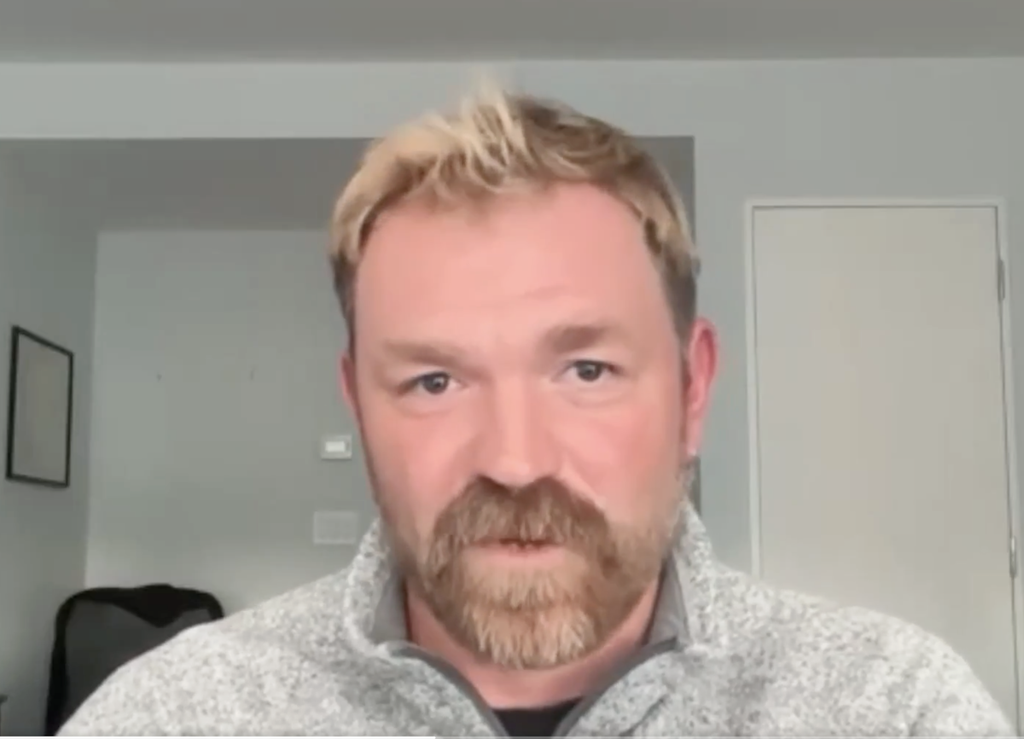
Democrat Senate candidate Graham Platner is currently facing renewed scrutiny over his past behavior, which includes allegations of sending inappropriate messages to women and a history of controversial public statements. These revelations come at a critical time as he prepares to challenge incumbent Republican Senator Susan Collins in the upcoming election, a race that could significantly influence the balance of power in the Senate.
The core tension in Platner's campaign centers on whether his past actions will impact voters' perceptions and decisions in a race that is expected to be closely contested. As he seeks to position himself as a viable alternative to Collins, critics are raising concerns about his character and suitability for office, which could sway undecided voters.
Platner's controversies date back several years, including a widely publicized incident involving a Nazi-themed tattoo, which he has since covered up. In a podcast interview, he described a family video from his brother's wedding in 2015, where he performed a lip-sync rendition of Miley Cyrus' "Wrecking Ball" while nearly naked. Platner stated, "I told them that my wedding gift to them would be my embarrassment, and so I performed a lip-sync version of Miley Cyrus' 'Wrecking Ball' to my sister-in-law on the day of her wedding to my brother."
Past Controversies Resurface
The video, which Platner referred to as a source of family amusement, has drawn criticism for its perceived self-centeredness. Observers noted that his sister-in-law appeared less than amused during the performance, raising questions about the appropriateness of his actions on such a significant day. Critics argue that this incident reflects a broader pattern of behavior that may not align with the expectations of a public servant, particularly one seeking a Senate seat.
In addition to the wedding performance, Platner has faced allegations of sending inappropriate messages to women. These claims have led some to question his judgment and character as he campaigns for a Senate seat. The combination of these controversies has created a challenging narrative for Platner, as he attempts to convince voters of his readiness for office.
Balancing Perspectives
Supporters of Platner argue that past mistakes should not define a candidate's potential for growth and leadership. They contend that voters should focus on his policy positions and vision for Maine rather than isolated incidents from his past. They emphasize that everyone makes mistakes and that it is essential to look at a candidate's overall contributions and plans for the future.
However, supporters of Collins emphasize her track record of bipartisanship and integrity, contrasting it with Platner's controversies. They argue that her experience and consistent public service make her a more reliable choice for voters who prioritize stability and proven leadership in government.
Political analysts suggest that while personal character plays a significant role in elections, voters often prioritize issues such as the economy, healthcare, and local concerns. As the campaign unfolds, it remains to be seen how Platner's past will influence voter sentiment in a state that has historically leaned toward centrist candidates. The dynamics of this race will likely hinge on how effectively both candidates can communicate their visions and address the concerns of the electorate.
The Road Ahead
As Platner continues his campaign, he is likely to face ongoing questions about his past behavior and its implications for his candidacy. With the election approaching, both he and Collins will need to articulate their visions for Maine and address the concerns of voters who may be wary of Platner's history. The scrutiny surrounding Platner's character may play a pivotal role in shaping the electoral landscape in Maine.
The outcome of this race could have significant implications for the Senate, as both candidates represent contrasting approaches to governance and policy. As voters weigh their options, the focus will not only be on Platner's past but also on how he plans to address the pressing issues facing Maine. The interplay between past controversies and future aspirations will be crucial as the election date draws near.