Federal authorities have launched an investigation into three Arizona nonprofit organizations following reports that they may have registered non-citizens to vote, according to U.S. Attorney for the District of Arizona Timothy Courchaine. The probe, which has already been referred to the FBI, also involves notification of state and county election officials as part of a coordinated response.
Explainer Election Integrity in America: Safeguarding Voter Trust and Ballot Security
The investigation centers on whether Stand Indivisible Arizona, Worker Power, and When We Count submitted voter registrations for individuals who are not legally eligible to vote. Such actions would violate both Arizona state law and federal law, which strictly prohibit non-citizens from participating in U.S. elections.
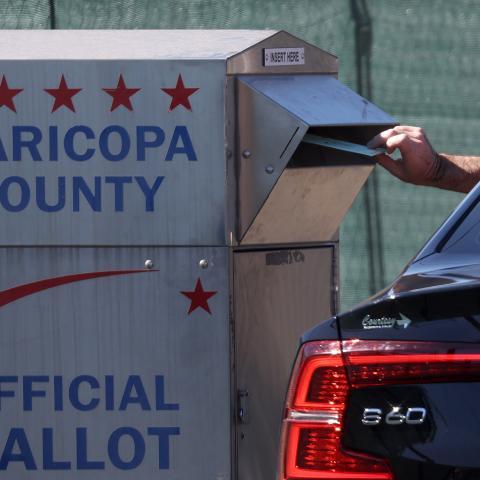
Courchaine’s office sent formal letters on October 26 to Maricopa County Recorder Justin Heap and Arizona Secretary of State Adrian Fontes. In these letters, the U.S. Attorney requested that both officials review voter registrations submitted by the three organizations. The letters cited “written and video reports” suggesting that personnel acting on behalf of these groups “either intentionally disregarded or were recklessly ignorant of” Arizona’s law barring non-citizen voter registration.
"On the eve of an important midterm election, the District of Arizona reminds the public that voting is limited solely to U.S. citizens."
— Timothy Courchaine, U.S. Attorney for the District of Arizona
Courchaine emphasized that only U.S. citizens are eligible to vote, regardless of immigration status. Even individuals with legal status in the United States, such as visa holders or legal permanent residents, are not permitted to register or cast ballots in any election. He warned that “knowingly causing another person to be registered to vote while knowing that person is not entitled to do so” is a federal crime and can result in prosecution.
Details of the Investigation
The U.S. Attorney’s office stated that it had already referred the allegations to the FBI for further investigation. The letters to Heap and Fontes asked them to conduct their own reviews of registrations submitted by Stand Indivisible Arizona, Worker Power, and When We Count. This multi-layered approach reflects the seriousness with which federal and local authorities are treating the allegations.
Courchaine’s office referenced both written and video evidence in its communications, though the specific content or origin of those reports was not detailed in the public statement. The investigation remains ongoing, and as of now, no charges have been announced against any individuals or organizations involved.
The U.S. Attorney’s office did not specify how many voter registrations are under scrutiny or whether any ballots were cast by ineligible individuals. It also did not disclose whether the organizations were aware of the alleged violations or if the registrations were submitted in error. The lack of detailed information underscores the preliminary nature of the inquiry at this stage.
Election Law and Enforcement
Arizona law explicitly prohibits non-citizens from registering to vote or casting ballots in any election, whether local, state, or federal. Federal law also bars knowingly registering ineligible individuals. Courchaine reiterated that these restrictions apply regardless of a person’s immigration status, including those with legal residency or visas.
The U.S. Attorney’s statement served as a reminder to the public and to organizations involved in voter registration efforts about the legal requirements and the potential criminal penalties for violations. The statement also highlighted the importance of maintaining the integrity of the electoral process, especially as Arizona prepares for a significant election cycle.
Courchaine’s warning comes at a time when election officials and advocacy groups across the country are under increased scrutiny regarding voter registration practices. The statement emphasized that any attempt to register ineligible individuals, whether intentional or due to negligence, could result in federal prosecution.
Broader Context and Response
The investigation comes amid heightened scrutiny of election procedures and concerns about voter eligibility in Arizona, a state that has seen contentious debates over election integrity in recent years. Arizona has been at the center of national attention regarding election laws and procedures, with ongoing discussions about how to ensure both access to the ballot and the security of the voting process.
The U.S. Attorney’s office did not indicate whether the organizations or their representatives had responded to the allegations. Officials from Stand Indivisible Arizona, Worker Power, and When We Count have not publicly addressed the investigation or the specific claims raised by Courchaine’s office. There have been no public statements from the groups regarding the allegations or the ongoing investigation.
Courchaine’s letters and the referral to the FBI signal a coordinated federal and local review of the groups’ activities ahead of a major election. The involvement of both state and federal authorities underscores the seriousness with which these allegations are being treated. The outcome of the investigation could have implications for how voter registration efforts are conducted in Arizona and potentially in other states as well.
As the investigation continues, election officials and advocacy groups are likely to face increased scrutiny regarding their procedures for verifying voter eligibility. The case highlights the ongoing challenges of balancing efforts to expand voter participation with the need to ensure that only eligible citizens are able to register and vote.
No timeline has been provided for the completion of the investigation, and it remains unclear whether any criminal charges will ultimately be filed. The U.S. Attorney’s office has stated that it will provide updates as appropriate, but for now, the matter remains under active review by both federal and local authorities.