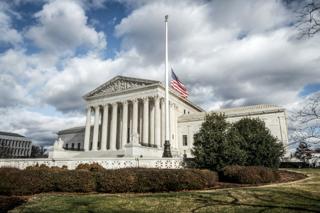
With the 2026 midterm elections approaching, discussions among Democrats about expanding the Supreme Court have resurfaced, echoing historical debates from the 1930s. This renewed focus on court expansion has sparked significant controversy, as critics argue it undermines judicial independence and the constitutional balance of power. The core tension lies in the potential implications of such a move for the judiciary's integrity and the broader democratic process. Advocates for court expansion argue it is necessary to counteract perceived partisan bias within the current Supreme Court, while opponents warn it could set a dangerous precedent for future administrations.
Explainer Understanding the Supreme Court’s Impact on Law and Liberty
Recent comments from prominent Democrats have reignited the debate. Vice President Kamala Harris suggested during a brainstorming session that court packing could be considered, framing it as a potential solution to what she described as a problematic judicial landscape. Meanwhile, in Virginia, some Democratic lawmakers have threatened to expand their state Supreme Court in response to rulings they oppose. This local initiative reflects a growing sentiment among some Democrats that the judiciary needs to be reformed to better align with their political objectives.
Historical Context of Court Packing
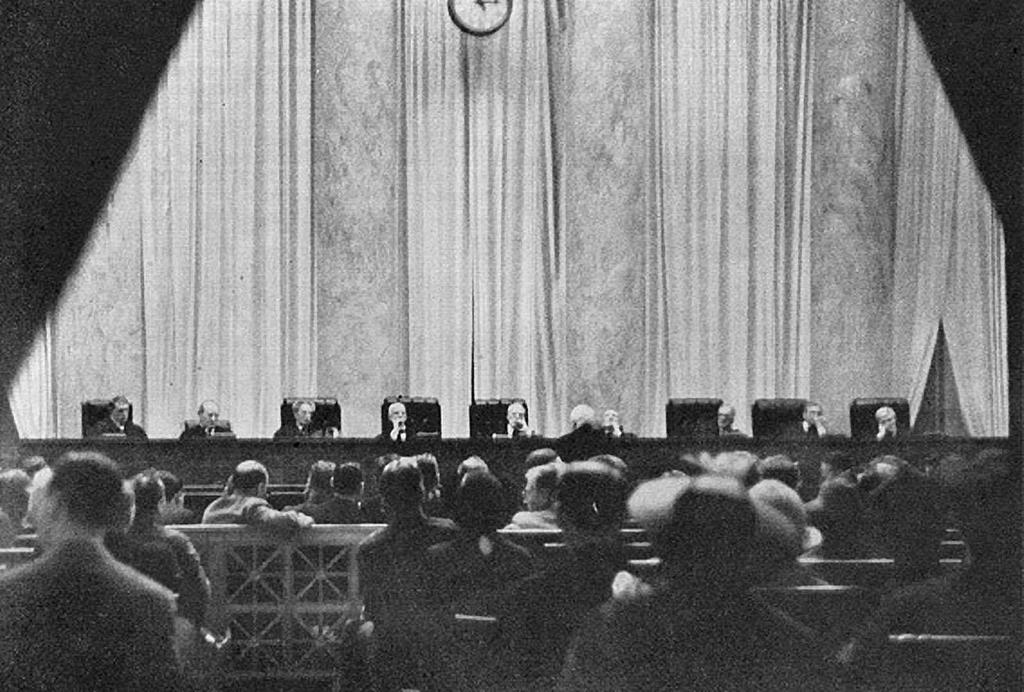
The term "court packing" refers to efforts to increase the number of justices on the Supreme Court, a strategy famously attempted by President Franklin D. Roosevelt in 1937. At that time, FDR sought to add justices to the court to secure support for his New Deal policies, which faced opposition from a conservative bloc of justices known as the "Four Horsemen." FDR's proposal, known as the Judicial Procedures Reform Act, aimed to allow the president to appoint an additional justice for each sitting justice over the age of 70, potentially increasing the court's size from nine to as many as 15 justices. This plan was met with widespread criticism, including from Chief Justice Charles Evan Hughes, who argued it would impair the court's efficiency. Ultimately, Congress rejected the proposal, preserving the court's structure and independence.
Current Political Climate
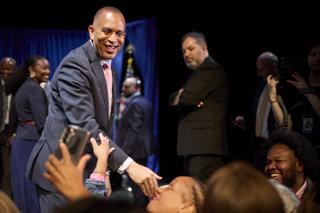
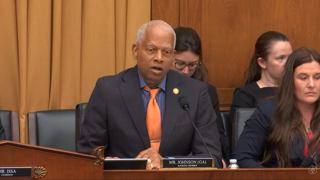
In the current political climate, Senate Minority Leader Chuck Schumer has warned that Justices Neil Gorsuch and Brett Kavanaugh would "pay the price" for their constitutional interpretations, while House Minority Leader Hakeem Jeffries has labeled the Supreme Court a "disgrace" and a "corrupt MAGA majority." These statements reflect a growing frustration among some Democrats regarding the court's recent rulings, which they perceive as biased against progressive values. Critics of the current court's composition argue that expanding the court is necessary to restore balance and protect individual rights. However, opponents contend that such actions would undermine public trust in the judiciary and set a precedent for future administrations to manipulate the court for political gain.
Chuck Grassley, the Republican chairman of the Senate Judiciary Committee, expressed concerns about the implications of court expansion. He stated, "As our nation celebrates the 250th birthday of America, we must safeguard the independence of the federal judiciary to protect our constitutional freedoms and way of life for generations to come." Grassley’s comments underscore the belief among many Republicans that maintaining the current structure of the Supreme Court is essential for upholding democratic principles.
While some Democrats are vocal about their support for court expansion, others have remained silent on the issue, and no official response has been issued from party leadership regarding the criticisms raised by opponents. This silence may reflect a cautious approach as the party navigates the complexities of public opinion on the matter. The internal divisions within the Democratic Party regarding court expansion could influence their strategy as they head into the midterm elections.
Conclusion
As the midterms draw near, the debate over the Supreme Court's future is likely to intensify. The discussions surrounding court expansion not only highlight the divisions within the Democratic Party but also raise fundamental questions about the role of the judiciary in American democracy. The outcome of this debate could have lasting implications for the balance of power in the federal government and the public's trust in its institutions. The stakes are high, and how Democrats choose to address this issue may shape their electoral prospects in 2026 and beyond.