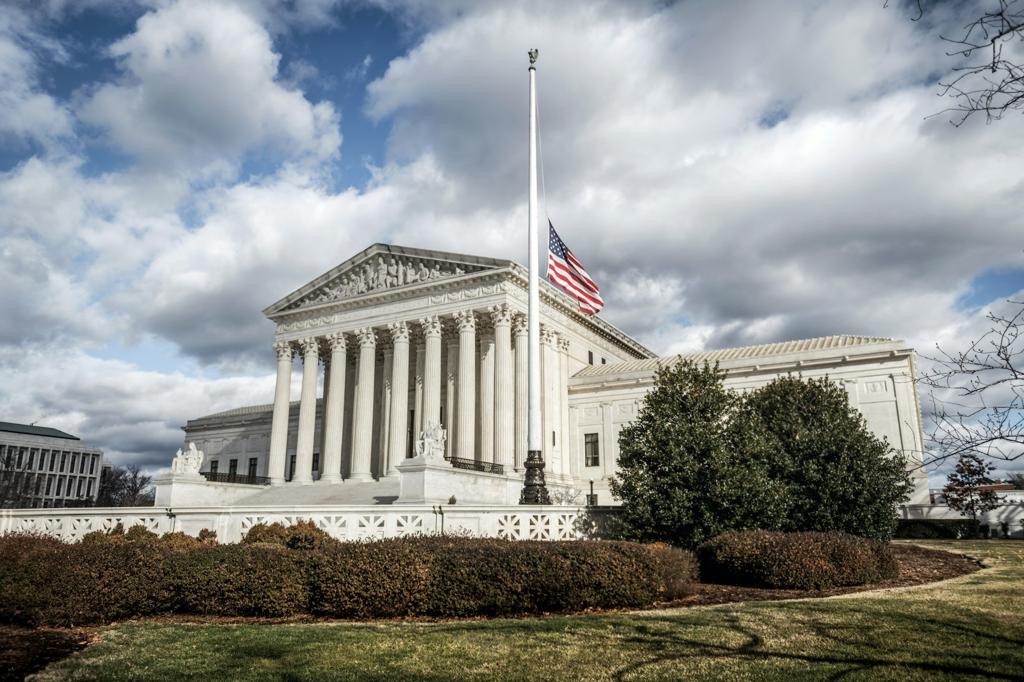
Senator Chuck Grassley of Iowa warned on the Senate floor that Democrats' plans to expand the Supreme Court from nine to 13 justices represent a direct threat to the legitimacy of the judiciary. Grassley characterized this potential move as an attempt to fill the court with ideologically aligned justices who would prioritize political agendas over constitutional mandates.
The core tension lies in the debate over judicial independence versus political influence, with critics arguing that expanding the court undermines its integrity. Grassley asserted that the push for additional justices stems from dissatisfaction with the court's current rulings, particularly those that do not align with Democratic priorities.
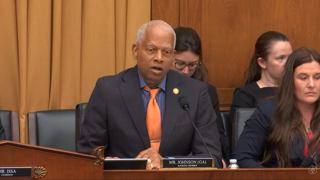
Democrats have openly discussed their court-packing strategy since the introduction of the Judiciary Act of 2021, which sought to increase the number of justices. At that time, Representative Jerrold Nadler, D-N.Y., claimed, "We are not packing the Supreme Court, we are unpacking it." The renewed calls for court expansion have gained traction following recent Supreme Court decisions that Democrats viewed as unfavorable, particularly a ruling in Louisiana v. Callais that limited the use of race in redistricting.
Key Details
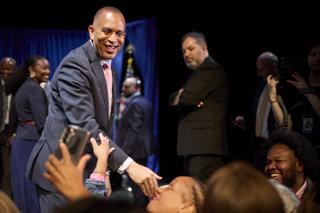
In April, House Minority Leader Hakeem Jeffries indicated a willingness to consider court packing if Democrats regain control of Congress, stating, "everything is on the table — everything — to deal with this corrupt MAGA majority." This sentiment was echoed by Vice President Kamala Harris, who suggested on a podcast that the Supreme Court's composition should be reconsidered.
Background and Reactions
Grassley argued that the motivations behind these proposals are not rooted in a concern for judicial ethics but rather in a desire to manipulate the court's composition to achieve desired outcomes. He noted, "[House Democrats] aren’t upset about judicial ethics or institutional integrity. They’re upset because the Supreme Court is doing its job – applying the Constitution as written rather than applying it as House Democrats wish it was written."
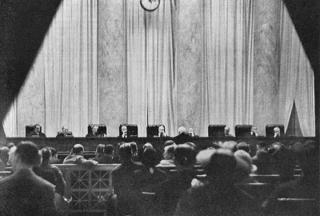
The Iowa senator also highlighted the historical context of the Supreme Court's size, emphasizing that it has operated with nine justices since 1869. He remarked, "It might make sense if the Supreme Court hadn’t operated with nine Justices since 1869 – for over 150 years!" Grassley criticized the notion that the number of federal circuits should dictate the number of justices, stating, "Additional circuits haven’t been a reason to add justices for nearly a century. It still isn’t today."
Activists concerned about the potential for court packing have formed the Keep Nine Coalition, which includes both Democratic and Republican former officials. This group is advocating for a constitutional amendment to cap the number of Supreme Court justices at nine. Recently, the amendment passed a House subcommittee vote, although it received no support from Democratic members.
Grassley pointed to the inconsistency of Democratic calls for new justices, noting that the party did not advocate for expansion when a Republican president was in office. He stated, "The fact that House Democrats aren’t calling for new justices today [under Trump] tells you everything you need to know about their motive."
The debate over court packing has also been marked by heightened rhetoric. In 2020, Senate Majority Leader Chuck Schumer, D-N.Y., threatened Supreme Court Justices Brett Kavanaugh and Neil Gorsuch at a pro-abortion rally, stating, "You will pay the price," if they did not align with his agenda. Grassley suggested that such statements contribute to a culture of intimidation surrounding the court.
In response to the criticism, some Democrats have argued that the current Supreme Court's decisions reflect a conservative bias that undermines the rights of various groups. However, specific responses to Grassley's remarks were not immediately available from Democratic leaders.
As the debate continues, Grassley concluded that the push for court packing reveals a fundamental issue within the Democratic Party, stating, "House Democrats can’t get their preferred outcomes through the democratic process, so they want to rig the Supreme Court to ensure they never lose."
The ongoing discussions about the Supreme Court's composition and its implications for American democracy are likely to remain a contentious topic in the coming months, especially as the political landscape evolves.