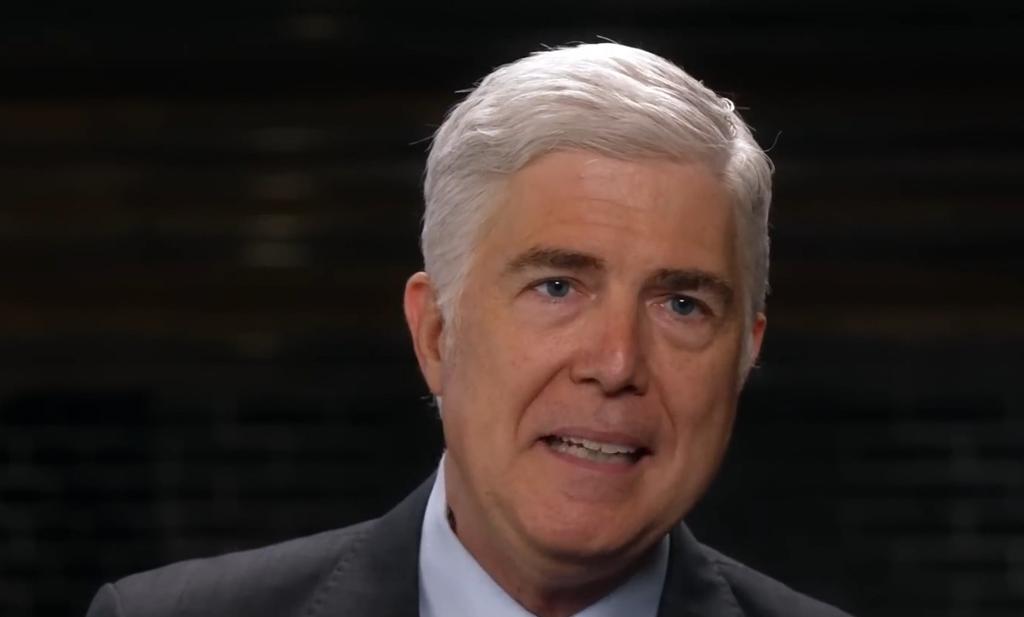
Justices Neil Gorsuch and Amy Coney Barrett engaged in a significant debate during oral arguments regarding the participation of transgender individuals in women’s sports, suggesting a potential shift in legal interpretations. The discussion centered on whether individuals identifying as transgender should be classified as a legally protected group under anti-discrimination laws.
The core tension revolves around the implications of recognizing transgender individuals as a distinct class, which could reshape policies governing women's sports and broader anti-discrimination protections. Critics argue that such recognition may undermine the integrity of women’s sports, while supporters contend it is essential for protecting the rights of transgender individuals.
Gorsuch, who previously authored the landmark Bostock v. Clayton County decision that extended workplace protections to transgender individuals, indicated during the hearing that the history of discrimination against transgender people warrants consideration as a discrete group. He asked whether this classification should afford them legal protections similar to those based on race or sex.
Idaho Solicitor General Alan Hurst countered Gorsuch’s assertion, stating, "A protected class needs to have encountered discrimination that mirrors the discrimination that people have faced on the basis of race or sex in this country." Hurst emphasized the need for a more rigorous standard when determining protected status.
Background on Bostock Decision
The Bostock ruling has been pivotal in expanding the legal framework surrounding transgender rights, with the Biden administration leveraging the decision to implement policies that align with transgender identities across federal and state levels. Many conservatives view this expansion as problematic, arguing it imposes radical gender ideology on various institutions.
Barrett, who has previously expressed skepticism about the classification of transgender individuals as a protected class, reiterated her stance during the arguments. In a separate opinion in the case of United States v. Skrmetti, she stated that transgender status does not possess the same immutable characteristics as race or sex, which are typically recognized as suspect classes under the law. She noted, "Transgender status is not marked by the same sort of ‘obvious, immutable, or distinguishing characteristics’ as race or sex."
Despite her past opinions, Barrett referred to boys identifying as transgender as "trans girls" during the oral arguments, a move that some critics interpreted as lending legitimacy to the notion that gender identity can override biological sex. This has raised concerns among those who argue that such language could blur the lines in competitive sports.
Medical Perspectives on Physical Advantages
Hurst also challenged Barrett’s assertion that prepubescent boys do not have a physical advantage over girls, citing medical evidence that indicates boys typically possess advantages in strength and speed even at young ages. This aspect of the debate highlights the ongoing conflict between biological realities and evolving social norms regarding gender identity.
The Supreme Court’s previous rulings have allowed states to impose restrictions on medical interventions for transgender youth, yet the current case concerning sports and Title IX could yield a different outcome. The potential for a 5-4 decision favoring transgender participation in women’s sports looms, particularly given Gorsuch’s previous alignment with pro-transgender views in the Bostock case.
As the justices deliberate, the implications of their decision could resonate beyond the courtroom, influencing state policies and the future of women’s sports. Supporters of transgender rights argue that inclusion is vital for equality, while opponents maintain that it jeopardizes fair competition.
The arguments presented reflect a broader societal debate over gender identity and its implications for various sectors, including education, healthcare, and athletics. As the Supreme Court continues to navigate these complex issues, the outcome could set significant precedents for how transgender rights are interpreted and enforced in the United States.