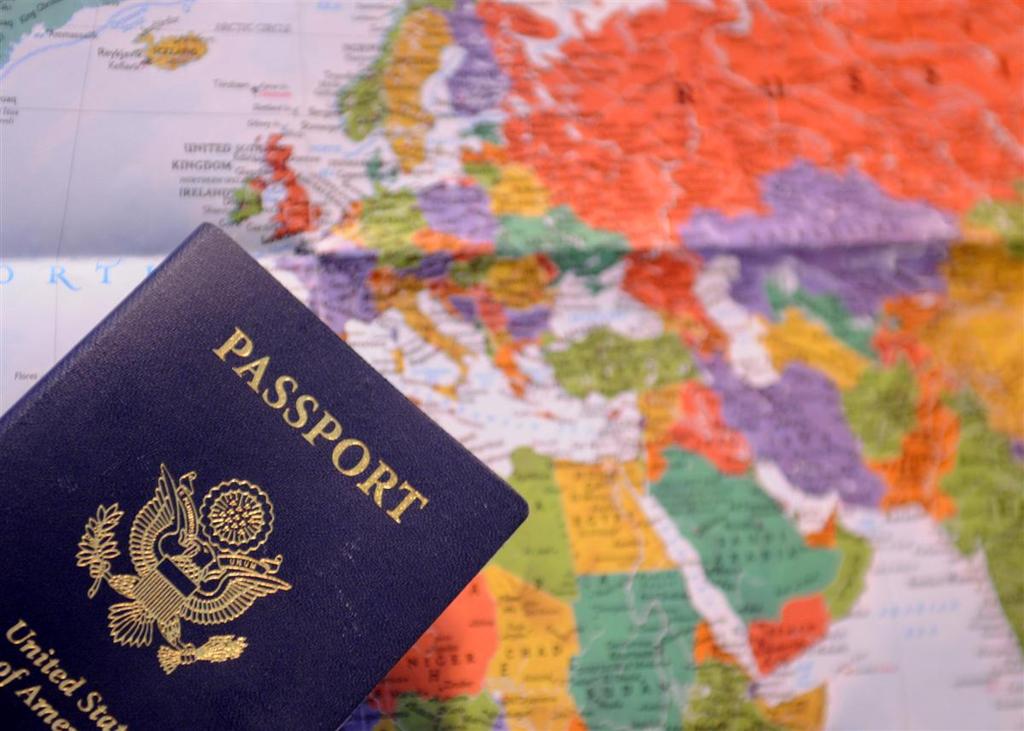
The U.S. Supreme Court temporarily halted a lower court injunction on Thursday that aimed to prevent the Trump administration from enforcing its passport policy regarding biological sex. In the case of Trump v. Orr, the high court granted a request from the federal government to stay a preliminary injunction issued by District Judge Julia Kobick, who was appointed by President Biden. This injunction sought to block part of a January executive order from Trump that mandated government-issued identification documents, including passports, reflect the holder's biological sex.
Judge Kobick's ruling, issued in June, allowed individuals renewing their passports or changing their name or sex designation to select the sex they identify with. This decision expanded upon an earlier ruling from April that applied only to a limited number of plaintiffs. The First Circuit Court of Appeals had previously denied the Trump administration's request to stay Kobick's injunction.
In its temporary ruling, the Supreme Court stated that displaying the biological sex of passport holders does not violate equal protection principles, likening it to the display of a person's country of birth. The court noted that the government is merely attesting to a historical fact and is not subjecting anyone to differential treatment.
The order further asserted that the respondents had not demonstrated that the government's choice to display biological sex was intended to harm a politically unpopular group. The court indicated that the government is likely to succeed on the merits of the case and would suffer irreparable injury if the injunction remained in place during the litigation.
Justice Ketanji Brown Jackson dissented, arguing that the majority ignored critical limits on its equitable discretion. She contended that the Trump administration had not provided evidence of harm if the policy was temporarily enjoined, while the plaintiffs would face imminent injury if the policy took effect. Jackson criticized the majority for intervening in favor of the government without sufficient justification, suggesting that it could harm vulnerable individuals.
The Supreme Court's stay will remain in effect pending the outcome of the appeal in the First Circuit Court of Appeals and any potential petition for a writ of certiorari to the Supreme Court. The stay will terminate if the high court denies the administration's petition or agrees to hear the case and issues a ruling.
This ruling marks a significant moment in the ongoing legal battles surrounding transgender rights and government policy, reflecting the complexities of balancing individual identity with established governmental practices. The implications of this decision may extend beyond passports, influencing broader discussions on gender identity in federal policies.
As the case progresses, it will be closely monitored by both advocates for transgender rights and those supporting the Trump administration's stance on biological sex in government documentation.