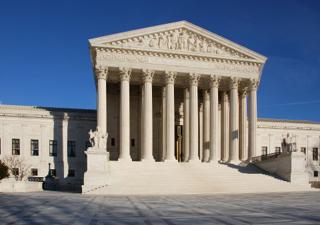
Democratic leaders are renewing calls to pack the U.S. Supreme Court following a recent ruling that restricts states' ability to use race in the redistricting process. The decision in Louisiana v. Callais, issued by the court on Wednesday, has prompted significant concerns among Democrats about its potential impact on their political power, particularly regarding majority-minority districts. This ruling, which passed with a 6-3 vote along ideological lines, allows states greater discretion in redistricting. Critics argue that this decision could lead to the elimination of districts that have historically benefited minority voters, raising alarms within the party about the future of representation.
Explainer Navigating Virginia's Electoral Landscape: Key Issues and Reforms
Democratic Responses
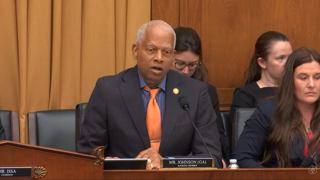
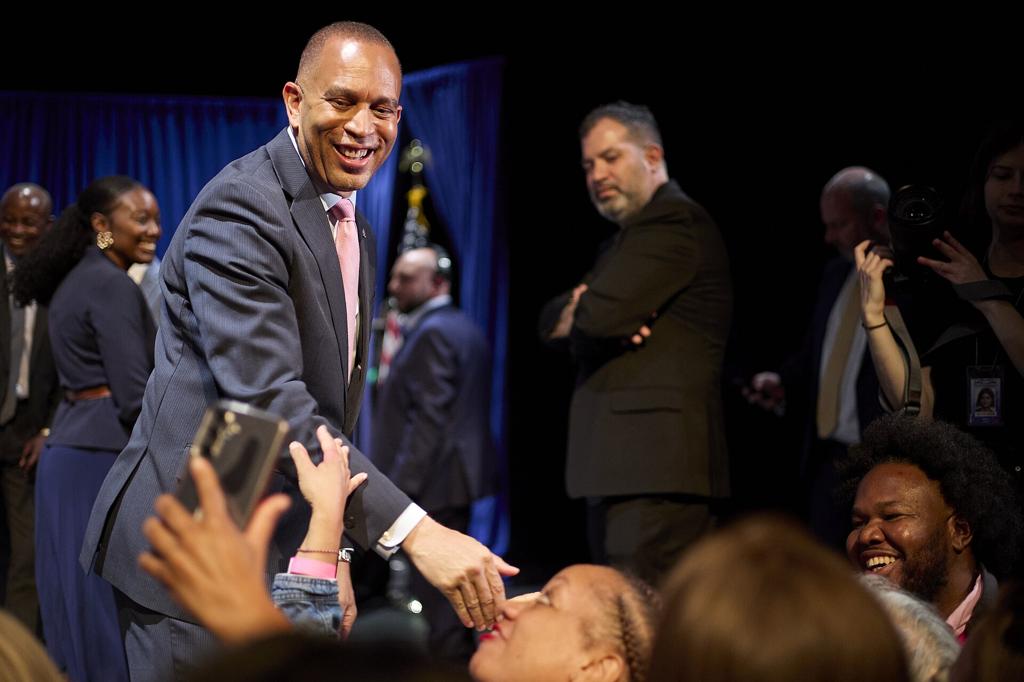
In light of the ruling, House Minority Leader Hakeem Jeffries indicated that Democrats may consider court-packing if they regain control of Congress. In a recent interview, he stated, "Everything is on the table" when discussing how to address a Supreme Court that he believes is undermining democratic principles. Jeffries described the court as a "disgrace" and emphasized the need for action to counter what he perceives as a political bias favoring Republicans. His comments reflect a growing frustration among Democrats who feel that the current court's decisions threaten their electoral prospects and the rights of minority voters.
Josh Orton, president of the progressive group Demand Justice, echoed Jeffries' sentiments, suggesting that the Supreme Court requires "fundamental reform" to better serve democracy. Demand Justice has been vocal in its criticism of the court and has previously supported efforts to expand its size. This sentiment is part of a broader movement within the Democratic Party that seeks to address perceived injustices in the judicial system.
Calls for Court Expansion
The renewed threats to pack the court come as some Democratic strategists advocate for significant changes should the party regain power. Veteran strategist James Carville recently suggested that Democrats should expand the Supreme Court to 13 justices on their first day back in control. Carville urged candidates to avoid discussing such strategies during campaigns, instead advocating for immediate action if they win. His comments reflect a growing frustration among some Democrats regarding the current court's decisions. He has been critical of the conservative majority, stating that they have "stolen" Supreme Court seats and manipulated the political landscape to their advantage, which he believes undermines the integrity of the judicial system.
Broader Implications
The debate over court-packing has reignited discussions about the balance of power within the judiciary and its implications for future governance. Critics of court-packing argue that such moves could undermine the independence of the judiciary and set a dangerous precedent for future administrations. They contend that altering the size of the court in response to political grievances could lead to a cycle of retaliation, where each party seeks to expand or contract the court based on its control of Congress. Supporters of the current court structure assert that it is essential to maintain a system of checks and balances, regardless of political outcomes, to ensure that the judiciary remains impartial and fair.
While Democrats have been vocal about their concerns, Republican leaders have not yet responded to the renewed threats of court-packing. The lack of immediate counterarguments from GOP officials may indicate a strategic decision to focus on other issues as the political landscape evolves. This silence could also reflect a desire to avoid escalating tensions over judicial matters, especially as the 2024 elections approach.
As the elections draw nearer, the implications of the Callais ruling and the subsequent Democratic responses will likely play a significant role in shaping campaign narratives and voter sentiments. The ongoing debate over the Supreme Court's composition and its role in American democracy remains a contentious issue that could influence the direction of future policy and governance. The stakes are high, as the outcomes of these discussions could have lasting effects on the judicial system and the political landscape in the United States.