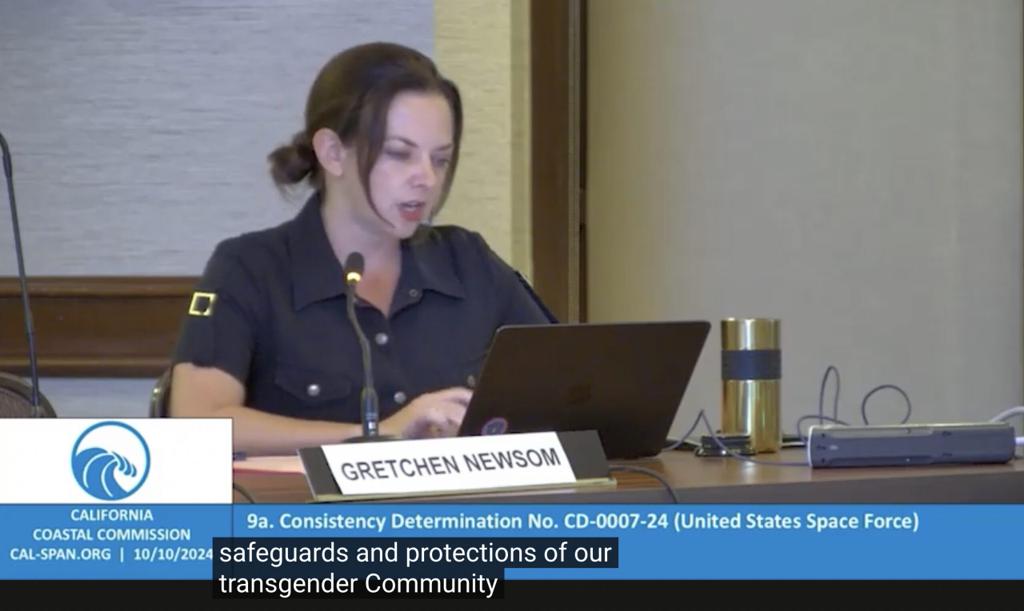
The California Coastal Commission (CCC) has reached a settlement in a lawsuit with SpaceX, agreeing to restrict its regulatory decisions to environmental factors and to refrain from considering the political views of the company or its executives. This settlement, which was filed in federal court on April 28, 2026, comes after a contentious year and a half of legal disputes surrounding SpaceX's launch operations at Vandenberg Space Force Base.
Explainer Election Integrity and Voter Access in California: A Complex Landscape
California Coastal Commission Settles with SpaceX, Agrees to Limit Political Bias
The core issue at stake in this legal battle was the CCC's alleged bias against SpaceX and its CEO, Elon Musk. Critics argued that this bias compromised the commission's ability to make impartial regulatory decisions. The commission's actions drew significant scrutiny after officials made politically charged statements during discussions about SpaceX's request to increase its launch frequency at the military base.
Background and Reactions
In October 2024, the Department of the Air Force sought CCC approval to expand SpaceX's launch operations at Vandenberg, a military site that is crucial for rocket launches. The CCC, which was established in 1972 to enforce California's Coastal Act, faced backlash for what many perceived as a departure from its environmental mandate. During a public hearing, Commissioner Gretchen Newsom openly criticized Musk's political affiliations and comments, suggesting that these factors influenced the commission's stance on the launch approvals.
"How can we let you launch more rockets if you’re openly acting like some Republican?" Newsom reportedly questioned, reflecting the political tensions that surrounded the decision-making process. This prompted SpaceX to file a lawsuit against the CCC, claiming that the commission's actions were not only improper but also illegal.
The settlement agreement includes a formal acknowledgment from the CCC that it will not consider political beliefs or speech in future regulatory actions regarding SpaceX. The commission stated, "The Commission agrees that it may not consider irrelevant factors in performing its function and specifically agrees that it will not take into account the perceived political beliefs, political speech, or labor practices of SpaceX or its officers."
Additionally, the CCC issued an apology for the politically biased statements made by its officials during the October hearing. The settlement allows SpaceX to proceed with its launch program without needing state coastal permits for operations within federal enclave areas, effectively streamlining the approval process for the company.
This resolution marks a significant shift for the CCC, which has faced criticism for overstepping its authority in recent years. The commission's admission of bias and its commitment to focus solely on environmental concerns may help restore some credibility to its regulatory role. However, the CCC did not respond to requests for further comment on the implications of the settlement and how it might affect future interactions with other companies.
Supporters of the commission's original stance argued that environmental protections are paramount and that political considerations should not be entirely dismissed. They contend that the commission's role includes safeguarding California's coastal resources, which could be compromised by increased rocket launches and other industrial activities.
The settlement highlights ongoing tensions between regulatory bodies and private enterprises, particularly in rapidly evolving industries like aerospace. As SpaceX continues to expand its operations, the implications of this agreement may resonate beyond California, potentially influencing how regulatory agencies interact with private companies in the future.
In a statement following the settlement, Musk expressed satisfaction with the outcome, emphasizing the importance of focusing on environmental stewardship without political interference. The CCC's commitment to avoid political bias in its decisions may serve as a precedent for future regulatory discussions involving other companies and industries, particularly those that operate in sensitive environmental areas.
As the aerospace sector continues to grow, the balance between regulatory oversight and business interests will remain a critical issue. The CCC's decision to reaffirm its commitment to environmental protection while distancing itself from political considerations could shape the landscape for future regulatory frameworks in California and beyond. This case may serve as a pivotal moment in defining the relationship between regulatory agencies and the private sector, particularly in industries that have significant environmental impacts.