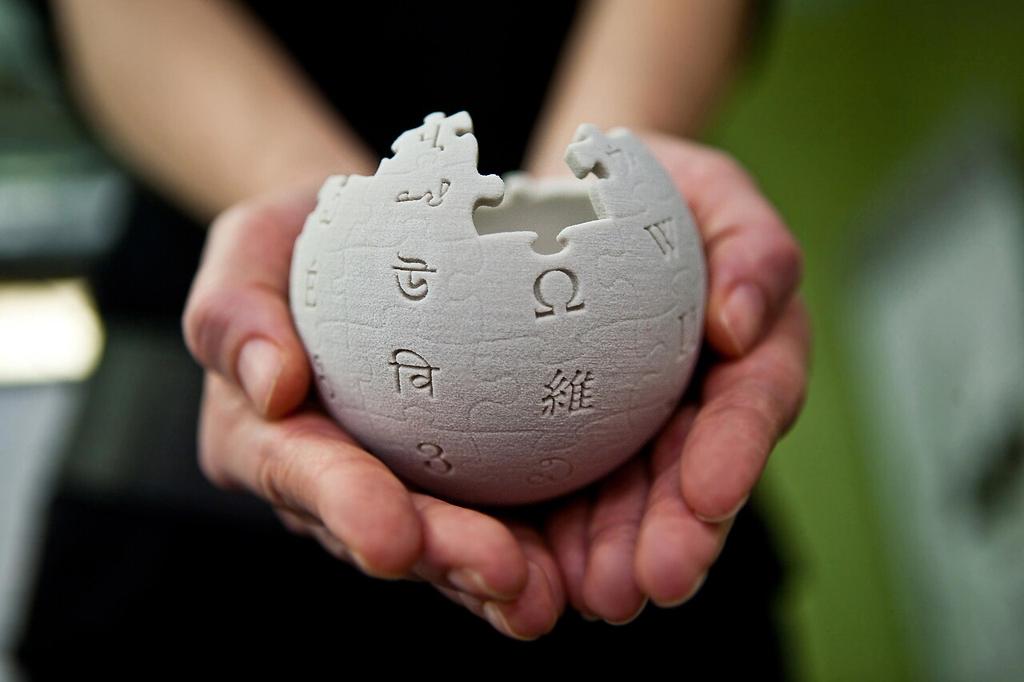
Wikipedia is under scrutiny for perceived bias, particularly following comments made by co-founder Jimmy Wales in a recent interview with The New York Times. Wales defended the platform's commitment to neutrality, stating that it is being unfairly targeted by critics from the right. However, critics argue that Wikipedia has actively engaged in the culture wars, compromising its impartiality.
Larry Sanger, Wales' co-founder, has publicly stated that Wikipedia exhibits bias, a sentiment echoed by various commentators. They point to instances where the platform has labeled conservative figures, such as Charlie Kirk, as "far-right conspiracy theorists." Wales responded to this characterization, saying, "The least controversial thing you could say about Charlie Kirk is that he was controversial," suggesting that the description was warranted based on Kirk's views.
The controversy intensified following the assassination of Kirk, during which Wikipedia allegedly locked the page of his wife, Erika Kirk, and discussed its potential deletion. Critics have noted that this action reflects a troubling trend of bias against conservative viewpoints on the platform.
In response to the growing concerns, Elon Musk has launched Grokipedia, an AI-generated alternative to Wikipedia, aimed at providing a more balanced reference source. Musk has criticized Wikipedia's editorial bias, highlighting the need for an objective platform.
Wikipedia's treatment of conservative organizations has also drawn ire. Earlier this year, the site blacklisted The Heritage Foundation, preventing links to its website from being included in articles. Similar actions have been reported against other right-leaning outlets, including The New York Post and Breitbart.
Conversely, Wikipedia has been criticized for favoring organizations like the Southern Poverty Law Center, which has faced its own controversies over labeling conservative and Christian groups as hate organizations. A 2024 study indicated systemic bias favoring leftist perspectives on the platform, contradicting Wikipedia's claims of nonpartisanship.
The issue has garnered attention from Congress, with ongoing investigations into Wikipedia's handling of entries related to the Gaza conflict. Wales dismissed these allegations as a "deep misunderstanding" of how Wikipedia operates, further fueling the debate over the platform's editorial practices.
Critics argue that Wikipedia's anonymous editing process allows for unchecked bias and manipulation of information. They contend that if editors wield significant influence over content, they should be held accountable for their decisions.
Mary G. Vought, Vice President of Strategic Communications at the Heritage Foundation, emphasized the need for Wikipedia to reassess its approach to neutrality. She stated, "If specific sources and outlets are being blacklisted, readers have a right to know who made that decision and why."
As the debate continues, calls for Wikipedia to adopt measures ensuring true nonpartisanship are growing. Without such changes, some suggest that Congress may need to expand its investigation into the platform's practices, particularly regarding allegations of antisemitism and censorship.
The ongoing discourse around Wikipedia highlights the broader cultural conflicts in society, raising questions about the role of digital platforms in shaping public discourse and the importance of maintaining impartiality in information dissemination.