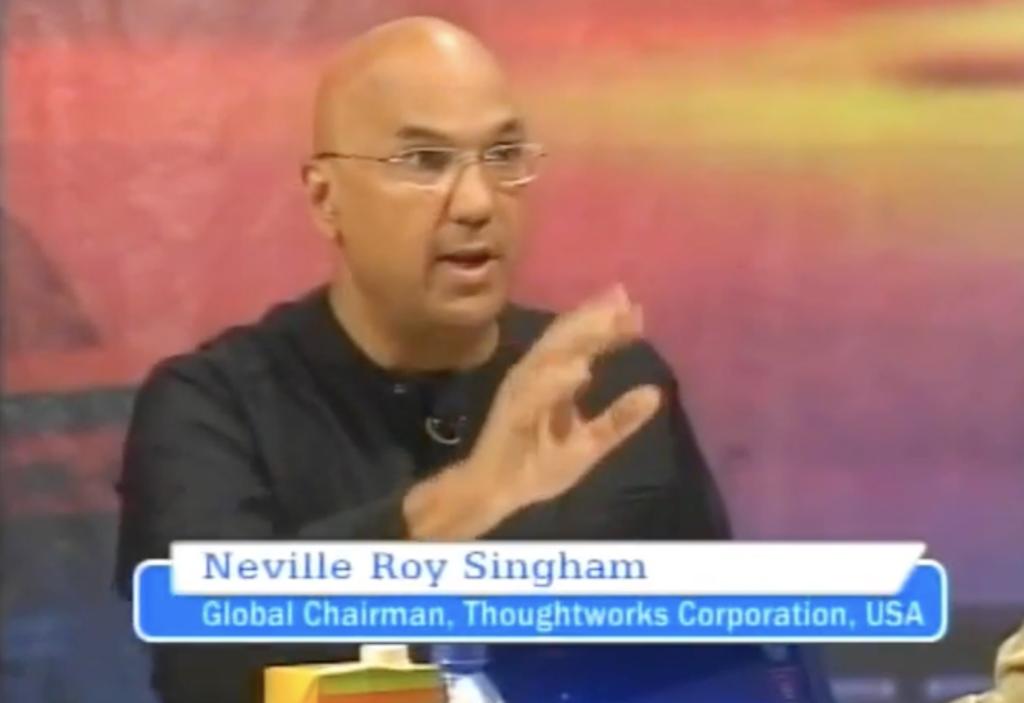
On June 4, Secretary of State Marco Rubio announced new economic sanctions against several Cuban organizations and officials, citing concerns over communist influence operations that threaten U.S. national security. The sanctions specifically prohibit U.S. persons from providing funds or services to those designated as blocked individuals. This announcement has intensified scrutiny on Neville Roy Singham, a tech entrepreneur and activist, who has been linked to funding organizations that some critics allege promote Chinese propaganda. Singham, who has maintained a low public profile, is described by some as a significant figure in a network that influences narratives both in the U.S. and abroad.
Singham, the son of a leftist academic, founded the software consulting company Thoughtworks, which he sold in 2017 for approximately $785 million. Although he is often referred to as a billionaire, Forbes does not list him as such, and the sale of Thoughtworks appears to be his primary source of wealth. Following the sale, Singham relocated to China and has since engaged in various activist efforts, reportedly funding organizations that advocate for leftist ideologies and perspectives.
Connections to Chinese Influence
Journalist Peter Schweizer has highlighted Singham's connections to the recent sanctions, noting that while the State Department did not mention him specifically, his activities raise significant questions about foreign influence in U.S. discourse. A 2023 New York Times investigation described Singham as funding a network that spans from Chicago to Shanghai, using American nonprofits to disseminate Chinese talking points. The report warned that Singham's financial backing could be sowing discord in the U.S. by promoting anti-American rhetoric, which could have broader implications for national unity and public opinion.
Critics argue that Singham's philanthropic efforts are not merely benign support for social causes but part of a broader strategy to influence public opinion in favor of Chinese interests. "Singham funds organizations that represent his sincere and long-held political views," the report stated, suggesting a deliberate alignment with narratives that challenge U.S. policies and values. This alignment raises concerns about the potential for foreign entities to shape domestic political discourse through financial means.
Activism and Philanthropy
Singham's activism includes support for various organizations, such as the Justice and Education Fund and the People’s Forum, which promote educational programming focused on social justice issues. The Justice and Education Fund reported contributions of over $5.5 million in 2024, while the People’s Forum, led by Singham's wife, Jodie Evans, received nearly $5.8 million. Both organizations emphasize raising awareness about societal problems and advocating for social change, which aligns with Singham's ideological beliefs.
However, the nature of Singham's funding has drawn criticism from various observers. Some have labeled his organizations as “UPS store nonprofits,” suggesting they lack substantial operational legitimacy. The New York Times noted that these groups often list shipping company storefronts as their business addresses, raising questions about their credibility and purpose. This characterization has led to skepticism regarding the effectiveness and intentions behind the organizations that Singham supports.
Legal Implications and Responses
The scrutiny surrounding Singham could have legal ramifications, particularly concerning the Foreign Agents Registration Act (FARA). Federal prosecutors have pursued cases against individuals engaged in foreign-influenced media work without proper registration. A search of the Justice Department’s FARA database indicates that Singham has not registered as an agent of the Chinese government, which could expose him to legal challenges if allegations of foreign influence are substantiated and proven.
Supporters of Singham argue that his philanthropic activities are expressions of free speech and that he is entitled to fund organizations that align with his beliefs. They contend that the framing of his actions as part of a foreign influence operation is politically motivated and overlooks the complexities of advocacy in a globalized world. As the debate continues, the potential consequences of the increasing scrutiny on Singham and his network remain uncertain. Critics maintain that the implications of his funding activities could extend beyond mere political discourse, potentially impacting U.S. national security and public opinion in significant ways.