The U.S. Department of Justice (DOJ) has reportedly opened a criminal investigation concerning E. Jean Carroll's lawsuits against former President Donald Trump. While the DOJ has not officially confirmed the probe, sources indicate that it focuses on a nonprofit organization that assisted in funding Carroll's litigation rather than on Carroll herself. This development underscores the ongoing tensions surrounding allegations of sexual misconduct against Trump and the legal strategies employed by both sides involved in this high-profile case.
DOJ Investigation into E. Jean Carroll's Lawsuits Against Trump
Critics of the investigation argue that it may reflect a broader pattern of politically motivated legal actions against Trump, suggesting that the inquiry is an extension of partisan efforts to undermine his political standing. Conversely, supporters of the inquiry contend that it is a necessary step in addressing potential misconduct and ensuring accountability in the legal system. The investigation raises questions about the intersection of law and politics, particularly in cases involving prominent figures.
Background and Reactions
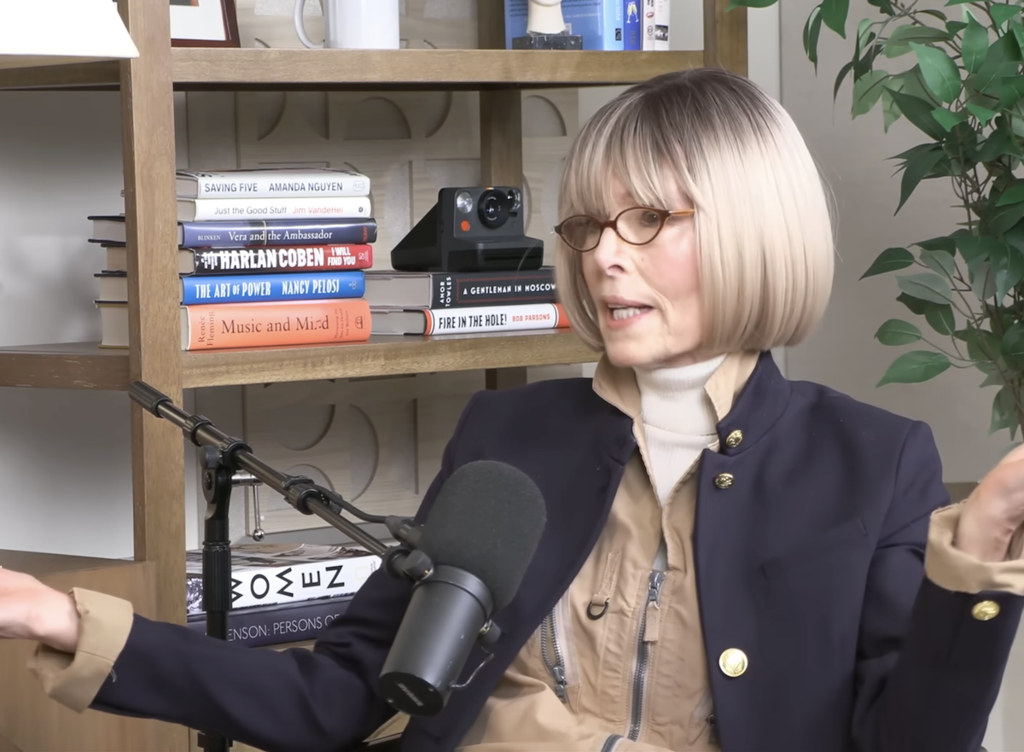
E. Jean Carroll, a writer and former magazine columnist, has accused Trump of raping her in a department store fitting room during the mid-1990s. Carroll's allegations have become a significant part of her public narrative, and she has pursued legal action against Trump under New York's recently revised statute of limitations for sexual assault cases. In a recent interview, Carroll described her experience, stating, "most people think of rape as being sexy" and that it is often viewed through a lens of fantasy. This perspective highlights the complexities surrounding perceptions of sexual violence and the societal narratives that often accompany such allegations.
The New York Times reported that the DOJ's investigation is unique in that Carroll has not sought political power or governmental authority through her lawsuits. However, critics argue that her public claims and subsequent legal actions have positioned her as a political figure within the ongoing discourse surrounding Trump. Eddie Scarry, a columnist for The Federalist, contends that Carroll's actions are part of a broader Democratic strategy aimed at undermining Trump politically. He stated, "Democrats will start this cycle all over again," referring to what he perceives as retaliatory legal actions against Trump that are intended to damage his reputation and political viability.
In addition to Carroll's lawsuits, Trump has faced multiple legal challenges from various Democratic officials. Notably, Manhattan District Attorney Alvin Bragg has pursued charges against Trump related to alleged financial misconduct, while New York Attorney General Letitia James has filed a civil suit against him for business practices that she claims defrauded investors. Furthermore, Fani Willis, the district attorney in Fulton County, Georgia, has also indicted Trump for questioning the legitimacy of the 2020 election results. These various legal challenges contribute to a complex legal landscape that Trump must navigate as he seeks to maintain his influence and standing within the Republican Party.
Supporters of these legal actions argue that they are essential for accountability and upholding the rule of law. They assert that the investigations are not politically motivated but rather necessary steps to address serious allegations that could have significant implications for public trust in political figures. However, critics like Scarry suggest that these actions are part of a coordinated effort to damage Trump's reputation and political viability, framing the legal battles as a form of lawfare.
As the DOJ's investigation unfolds, the implications for Trump and his political future remain uncertain. Legal experts note that the outcomes of such probes can significantly impact public perception and electoral prospects. The ongoing legal battles may also influence the Republican Party's strategies as it prepares for the upcoming election cycle, potentially shaping candidate selection and campaign messaging.
In summary, the DOJ's reported investigation into E. Jean Carroll's lawsuits against Donald Trump adds another layer to the complex legal landscape surrounding the former president. While critics view it as a continuation of politically motivated lawfare, supporters argue it is a necessary pursuit of justice. The situation continues to evolve, with potential ramifications for both Trump and the broader political arena as the nation approaches a critical election period.