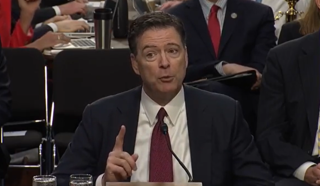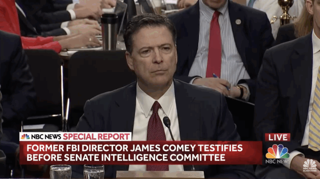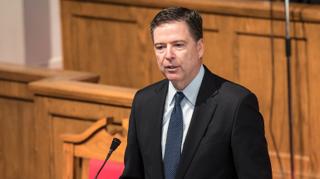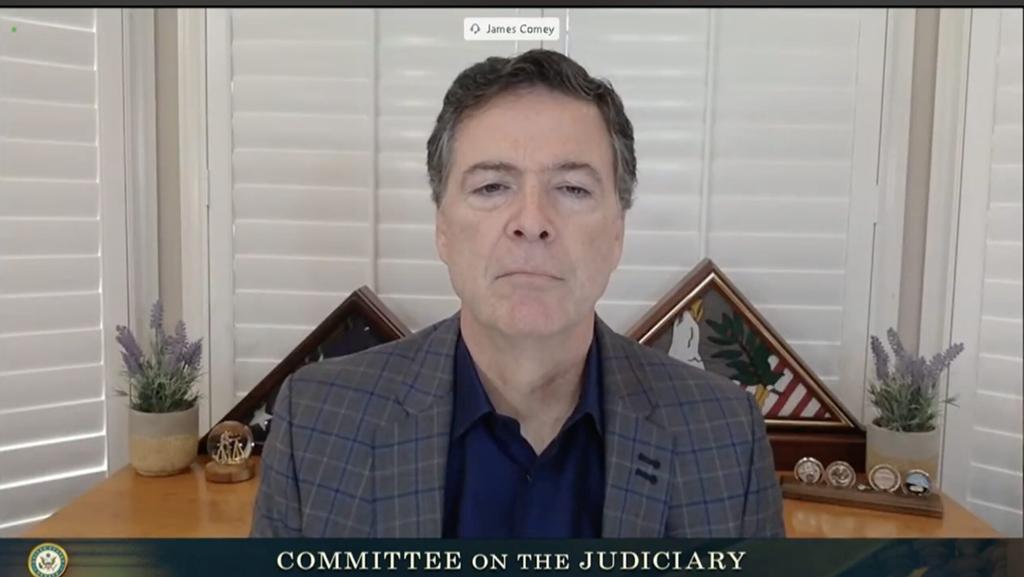
Former FBI Director James Comey has been indicted by a grand jury on two counts: making false statements to Congress and obstruction of a congressional proceeding. The indictment, issued on September 28, 2025, stems from allegations that Comey provided misleading testimony regarding his handling of information related to the investigation into Russian interference in the 2016 presidential election.
The charges allege that Comey misled Congress during a September 2020 testimony, where he reportedly denied authorizing leaks of information about the FBI's investigations into former President Donald Trump and former Secretary of State Hillary Clinton. According to NBC News, Comey maintained this stance in subsequent statements, including a response to Senator Ted Cruz.
In a statement regarding the indictment, Senator Cruz remarked, "The American people deserve transparency from our leaders, and this indictment highlights the need for accountability in our justice system." (Cruz Senate)
The grand jury's decision to indict Comey has drawn varied reactions. Supporters of the indictment argue that it reflects the necessity of holding public officials accountable for their actions. Critics, however, contend that the indictment is politically motivated, suggesting that it is part of a broader pattern of targeting individuals associated with Trump.
The New York Times editorial board criticized the indictment, suggesting it represents a dangerous precedent. They stated, "The Comey indictment plunges the country into a grave new period," (Cruz Senate) warning that it undermines the principle of equal enforcement of the law.
Despite the editorial's concerns, the grand jury did not pursue a third charge against Comey, which some interpret as an indication that the evidence presented was sufficient to warrant the two counts filed. This detail has led to further debate about the motivations behind the indictment and the role of the justice system.
In previous editorials, the Times has taken a strong stance against Trump, asserting that he is not above the law. In a 2022 piece, the board stated, "Mr. Trump’s unprecedented assault on the integrity of American democracy requires a criminal investigation." (Cruz Senate)
The contrasting perspectives on Comey's indictment and Trump's legal challenges highlight the polarized nature of contemporary American politics. As legal proceedings unfold, both supporters and detractors of the indictment will continue to scrutinize the implications for the justice system and its role in political accountability.
As the situation develops, it remains to be seen how this indictment will impact public perception of Comey, Trump, and the broader political landscape. The ongoing discourse surrounding these legal matters underscores the complexities of accountability in a politically charged environment.