A Wisconsin judge has ruled that a case against two attorneys and an aide for the 2020 Trump campaign will proceed to trial. This decision comes after the judge rejected defense claims that the prosecution is based on flawed legal arguments. The ruling is significant as it occurs amid ongoing debates about the legality of the actions taken by the defendants following the 2020 presidential election, which has been a contentious topic in American politics.
The core issue in this case revolves around allegations that the defendants participated in a scheme to create a slate of "false electors" in an effort to undermine the legitimate electoral process. Critics of the prosecution argue that the case is politically motivated and lacks sufficient evidence to warrant a trial, raising concerns about the implications for political discourse and legal standards in electoral matters.
During a preliminary hearing held in Madison, Assistant Attorney General Adrienne Blais presented the state’s case against Jim Troupis and Michael Roman, who are facing 11 counts of fraud and forgery. Defense attorney Joe Bugni contended that the prosecution failed to demonstrate any deceitful actions by the defendants. He stated, "We did not hear a single word saying that something was said by the defendants that was deceitful, nothing that established a conspiracy." This assertion underscores the defense's position that the actions taken were within the bounds of legal strategy rather than criminal conduct.
Background of the Case
The case stems from actions taken by Trump campaign allies following the narrow loss to Joe Biden in Wisconsin, where the margin was just over 20,000 votes. Attorney General Josh Kaul alleges that Troupis and Roman orchestrated a plan to present alternate electors in an effort to usurp the legitimate Democratic electors. The defense argues that their actions were a legitimate legal strategy, aimed at preserving electoral votes while legal challenges were ongoing. This situation highlights the complexities involved in contested elections and the legal interpretations that can arise from them.
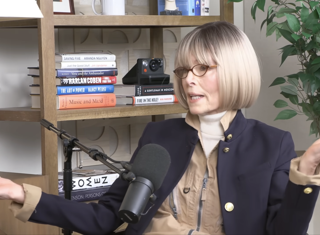
Harvard law professor Lawrence Lessig testified for the defense, asserting that the Constitution allows for alternate electors in contested elections. He noted, "The effort to prosecute them is unconstitutional, and the campaign to vilify them is stupid." Lessig's perspective adds a layer of complexity to the case, as he is not typically aligned with conservative viewpoints, which may influence public perception of the trial and its implications.
Legal Arguments and Implications
Prosecutors maintain that the defendants did not adequately inform the alternate electors about the purpose of their actions, which they claim constitutes fraud. However, Bugni countered that the evidence does not support this assertion, arguing that the alternate elector votes were presented as legitimate under the circumstances. He stated, "There is not enough evidence here to bind over for trial." This contention raises questions about the standards of evidence required in such politically charged cases.
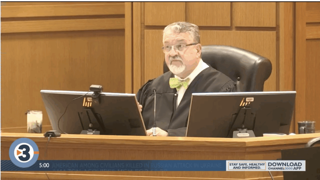
The judge, John Hyland, ruled that there was sufficient evidence to proceed, despite defense claims of bias and calls for his recusal. Bugni had raised concerns about Hyland's impartiality, citing allegations that a retired judge may have influenced his earlier rulings. Hyland, however, stated he could remain fair in the case, emphasizing the importance of judicial integrity in high-profile trials.
Political Reactions
The ruling has drawn attention from political figures, including Wisconsin Senator Ron Johnson, who has requested a review of the case by the U.S. Department of Justice. Johnson's inquiry reflects broader concerns among Republicans regarding the motivations behind the prosecution. Additionally, the Republican-controlled state Senate has announced the formation of a Special Committee on Oversight of the Department of Justice to investigate the operations and priorities of the agency. This political response illustrates the polarized environment surrounding the case and the potential ramifications for future electoral processes.
As the trial date approaches, the implications of this case extend beyond the defendants themselves, touching on broader issues of electoral integrity and the legal boundaries of political strategy. Supporters of the prosecution have not publicly responded to the defense's claims regarding the sufficiency of evidence, leaving some questions unanswered as the legal battle unfolds. The outcome of this trial could have lasting effects on how electoral disputes are handled in the future, as well as on the legal accountability of political actors in similar situations.