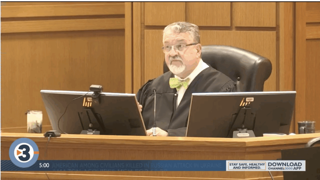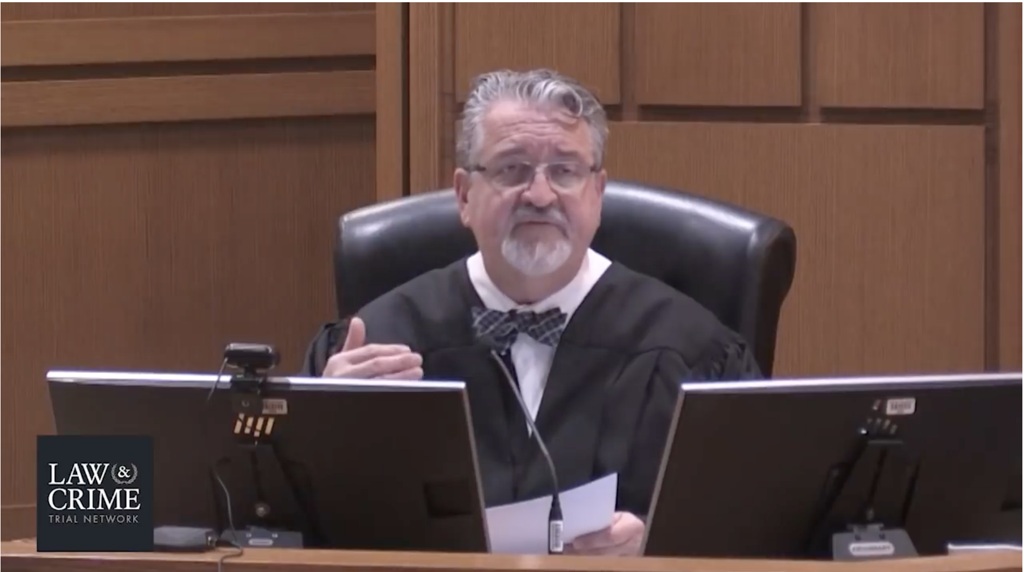
A motion filed on Monday seeks the removal of Dane County Circuit Court Judge John Hyland from a case involving attorneys who represented former President Donald Trump in the 2020 election. The motion alleges "judicial misconduct" but does not specify the details of the alleged actions.
The core issue revolves around claims that Judge Hyland's conduct has compromised the fairness of the proceedings against Jim Troupis, a former conservative judge and one of the defendants in the case. Troupis is facing felony charges related to his role in a controversial plan to appoint alternate electors for Trump following the 2020 election.
The motion, filed by Troupis's attorney, argues that the case should be reassigned to a judge from a neighboring county to avoid any appearance of bias. "Because of the misconduct outlined in the Brief and the documents in the attached Appendix, this case must proceed before a judge from a neighboring county with a different staff to avoid the appearance of bias or impropriety," the filing states. Troupis's attorney, Joe Bugni, emphasized the seriousness of the allegations, suggesting they warrant immediate judicial review.
Background of the Case
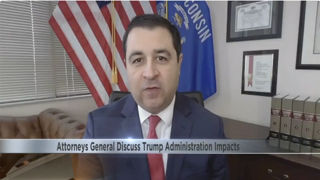
The charges against Troupis stem from actions taken during the 2020 election, where he and others allegedly sought to create a slate of alternate electors in Wisconsin. This strategy was intended to protect Trump's electoral votes amid ongoing legal challenges to the election results. Wisconsin Attorney General Josh Kaul has been leading the prosecution, which Troupis and his co-counsel Kenneth Chesebro have characterized as politically motivated.
Troupis has previously criticized Kaul's actions, stating, "He cares about the political scalp on his wall that he can give to progressives." The case has drawn significant media attention, with Troupis arguing that the prosecution represents a broader trend of what he terms "leftist lawfare" aimed at undermining conservative figures.
In a separate motion, Troupis also sought to vacate Hyland's earlier decision to deny a motion to dismiss the felony charges against him. This decision has been described as "the byproduct of misconduct" in the context of the ongoing legal battles surrounding the election.
Legal Implications
The felony charges against Troupis carry serious consequences, including a maximum six-year prison sentence and a $10,000 fine. The stakes are high, as a conviction could significantly impact Troupis's life and career. The case has raised questions about the legality of the alternate electors' strategy, which has historical precedent but is now under scrutiny.
Interestingly, a memo from the Wisconsin Department of Justice previously indicated that nothing in state law prohibited parties from meeting to cast electoral votes during election challenges. This has led some observers to question the validity of the charges against Troupis and his co-defendants.
Despite the ongoing legal challenges, Troupis remains resolute. In a recent interview, he expressed his determination to continue fighting against what he perceives as politically motivated prosecutions. "I will continue to fight on even as the leftist lawfare machine works to bankrupt me and others who dared defend Trump," he stated.
Response from Officials
As of now, officials from Kaul's office have not publicly responded to the allegations of misconduct against Judge Hyland. The lack of comment from the prosecution raises further questions about the motivations behind the case and the integrity of the judicial process.
The situation has drawn parallels to similar prosecutions in other battleground states, where allegations of political bias have surfaced in cases involving alternate electors. Critics argue that these prosecutions are part of a broader effort to target individuals associated with Trump's campaign, while supporters of the prosecutions maintain that they are necessary to uphold the rule of law.
The unfolding legal drama in Wisconsin highlights the contentious nature of post-2020 election disputes and the ongoing debates surrounding election integrity and judicial impartiality. As the case progresses, the implications for Troupis and the broader political landscape remain to be seen.