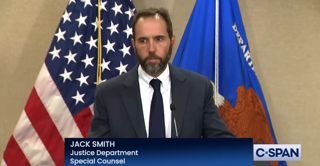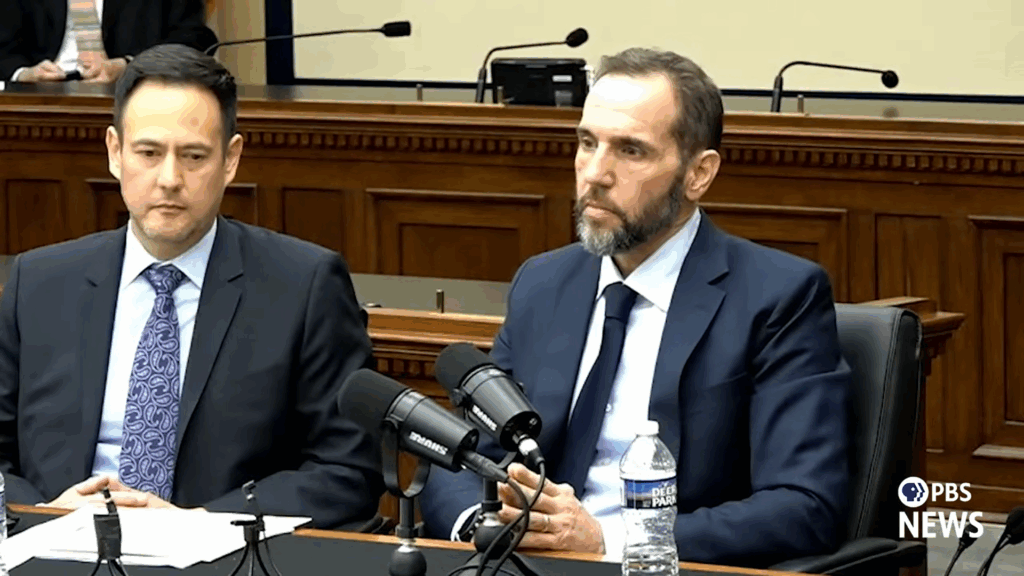
Former Special Counsel Jack Smith is scheduled to testify publicly before the House Judiciary Committee on January 22, 2026. This hearing follows a closed-door interview he provided last month as part of an investigation led by Chair Jim Jordan into allegations of the Biden Administration's misuse of the Justice Department. Smith's previous testimony has raised questions about his accuracy and the integrity of his investigation into Donald Trump.
Explainer Election Integrity: Protecting Voter Rights in Modern America
The stakes are high as lawmakers seek to clarify Smith's earlier claims and the implications of his findings on the 2020 election. Critics argue that Smith's testimony may reveal inconsistencies that could undermine the credibility of the charges against Trump, while supporters maintain that the investigation was conducted fairly and without bias.
Smith's closed-door testimony last month included claims that Trump had asked local officials to "find 11,000 votes" during a phone call with Georgia Secretary of State Brad Raffensperger. However, this assertion has been challenged. According to a transcript of the January 2, 2021, call, Trump and his legal team were actually cataloging evidence of illegal votes, not requesting officials to locate votes. The Federalist noted that Trump’s lawyers had evidence of illegal votes exceeding the margin of Biden's victory, which they argued warranted a new election.
Questions About Misrepresentation
In light of these discrepancies, the House Judiciary Committee is expected to confront Smith on his previous statements. Lawmakers may ask, "When you testified your office 'had evidence' 'where President Trump was asking local officials to find 11,000 votes,' were you referring to President Trump’s conversation with the Georgia secretary of state’s office?" They may also inquire whether Smith reviewed the transcript of that call and if he acknowledges that Trump never explicitly asked officials to find votes.
Furthermore, the committee might probe Smith on the implications of Georgia election law, which states that if evidence shows more illegal votes than the margin of victory, the remedy is a new election. Critics argue that Smith's framing of Trump's actions misrepresents the legal context and the nature of the inquiry.
The Alternative Electors Debate
Another contentious point from Smith's testimony involves his characterization of the naming of alternative electors as a "fake electors scheme." Smith claimed this was part of his investigation and the charges against Trump. However, some Republicans argue that the practice of naming alternative electors has historical precedent, citing the 1960 election when Democrats in Hawaii named alternative electors despite the election being certified for Nixon.
Lawmakers may challenge Smith with questions such as, "Are you aware that in 1960, alternative electors were named by Democrats in Hawaii?" They may seek to establish whether Smith's framing of the situation is consistent with historical practices in U.S. elections.
Allegations of Political Bias
Additionally, the committee is likely to address concerns regarding the political motivations behind Smith's investigation. Critics have pointed to evidence suggesting that one of Smith's top deputies, Ray Hulser, obstructed an investigation into the Clinton Foundation, raising questions about the impartiality of Smith's team. Senator Chuck Grassley, R-Iowa, has highlighted emails indicating that Hulser may have misrepresented the basis for not pursuing the investigation.
The committee could ask Smith, "You stated your team consisted of apolitical public servants, but isn’t it true Ray Hulser was one of your top deputies?" This line of questioning aims to scrutinize the integrity of the investigation and whether it was influenced by political considerations.
While Smith's supporters argue that the investigation was conducted by dedicated professionals, critics maintain that the evidence suggests otherwise. The outcome of this hearing may have significant implications for public perception of the Justice Department's actions and the ongoing political discourse surrounding the 2020 election.
As the hearing approaches, it remains unclear how Smith will respond to these inquiries and whether he will address the criticisms levied against him. The House Judiciary Committee's questioning will likely shape the narrative surrounding the investigation and its findings moving forward.