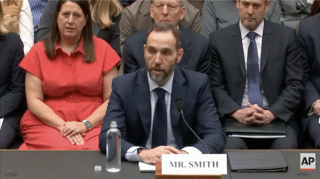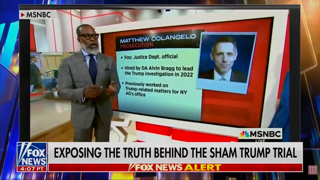
Ray Hulser, the former head of the Department of Justice’s Public Integrity Section, is under scrutiny for allegedly obstructing an investigation into the Clinton Foundation while serving in the Trump administration. This revelation comes as Hulser is now involved in the criminal investigation against former President Donald Trump led by Special Counsel Jack Smith.
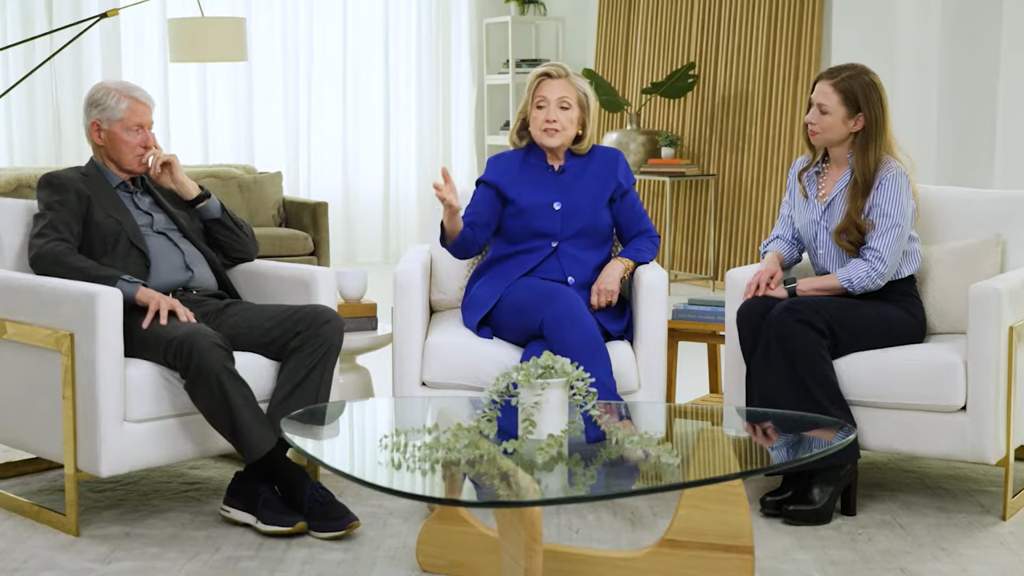
The core issue revolves around claims that Hulser withheld critical information from the U.S. Attorney’s office regarding the Clinton Foundation investigation, raising questions about his impartiality in the current probe against Trump. Critics argue that this history undermines the integrity of the ongoing investigations.
In a letter dated December 30, 2025, Rep. Jim Jordan, R-Ohio, requested that Hulser appear before the House Judiciary Committee to discuss his role in the investigations. Jordan's letter stated that the committee is examining "former Special Counsel Jack Smith’s partisan investigations into President Trump and his associates following the 2020 election." The request follows the release of documents that suggest Hulser played a significant role in subpoenaing phone records of several Republican members of Congress.
Allegations of Interference
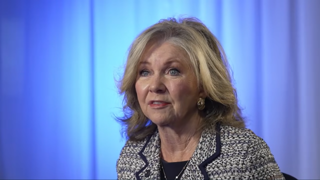
Documents released by Sen. Chuck Grassley, R-Iowa, indicate that Hulser sought to obstruct the DOJ’s investigation into the Clinton Foundation. According to these documents, Hulser was involved in a memorandum that sought authorization from Smith to subpoena the toll records of multiple congressional Republicans, including Senators Marsha Blackburn and Lindsey Graham.
Grassley’s documents also detail the origins of three separate investigations into the Clinton Foundation, beginning in 2015. The timeline shows that the Washington Field Office of the FBI had discussions about initiating an investigation, but Hulser reportedly refused to support it in early 2016, citing insufficient evidence. "Hulser noted, in sum, that the FBI briefing was poorly presented and that there was insufficient predication for at least one of the investigations due to its reliance on allegations contained in a book," stated Special Counsel John Durham in his report.
Durham’s findings suggest that Hulser downplayed significant information that could have warranted further investigation. The report notes that the transactions involved in the Clinton Foundation case totaled hundreds of thousands of dollars, contradicting Hulser’s characterization of the amounts as "de minimis."
Political Implications
The implications of these allegations are significant, as they suggest a pattern of interference by the DOJ during the Obama administration. Grassley highlighted that emails obtained by his office indicated that agents were prohibited from pursuing further inquiries into the Clinton Foundation due to its political sensitivities. "According to emails obtained by my office, agents were prohibited from ‘subpoena[ing] additional records related to the Foundation,’" Grassley stated.
The timeline released by Grassley also reveals that after Trump’s election, the U.S. Attorney’s office for the Eastern District of Arkansas reopened the investigation into the Clinton Foundation. However, Hulser allegedly dismissed the merits of this investigation and provided limited documentation to the new U.S. Attorney, Cody Hiland.
In response to the allegations, supporters of Hulser and Smith have not publicly addressed the criticisms. Some legal experts argue that the complexities of political investigations often lead to contentious interpretations of actions taken by officials.
Ongoing Investigations
As the investigations continue, the involvement of Hulser raises questions about the integrity of the current probe against Trump. The recent disclosures have prompted calls for greater transparency regarding the actions of DOJ officials in politically sensitive cases.
The scrutiny surrounding Hulser’s past actions could impact public perception of the ongoing investigations led by Smith, particularly among those who view the inquiries as politically motivated. As of now, Hulser has not publicly commented on the allegations against him, and it remains unclear how this will affect the trajectory of the investigations into both the Clinton Foundation and Trump’s actions following the 2020 election.