The FBI's recent surveillance of Trump allies, including current FBI Director Kash Patel and White House Chief of Staff Susie Wiles, has sparked significant controversy following a report detailing the agency's actions during the Biden administration. Critics are raising alarms over what they describe as politically motivated spying, while Democratic lawmakers have largely refrained from commenting on the issue.
The core tension lies in the allegations that the FBI conducted unauthorized surveillance on political opponents, raising questions about the integrity of federal investigations and the potential misuse of power. The revelations come at a time when the FBI is already under scrutiny for its handling of investigations related to former President Donald Trump.
According to a Reuters report, the FBI subpoenaed phone records of Patel and Wiles while they were private citizens in 2022 and 2023. Two anonymous FBI officials indicated that the agency recorded a phone call between Wiles and her attorney in 2023. Patel described the operation as "outrageous and deeply alarming," asserting that previous FBI leadership used "flimsy pretexts" to justify their actions.
Background on the Investigations
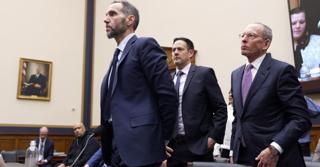
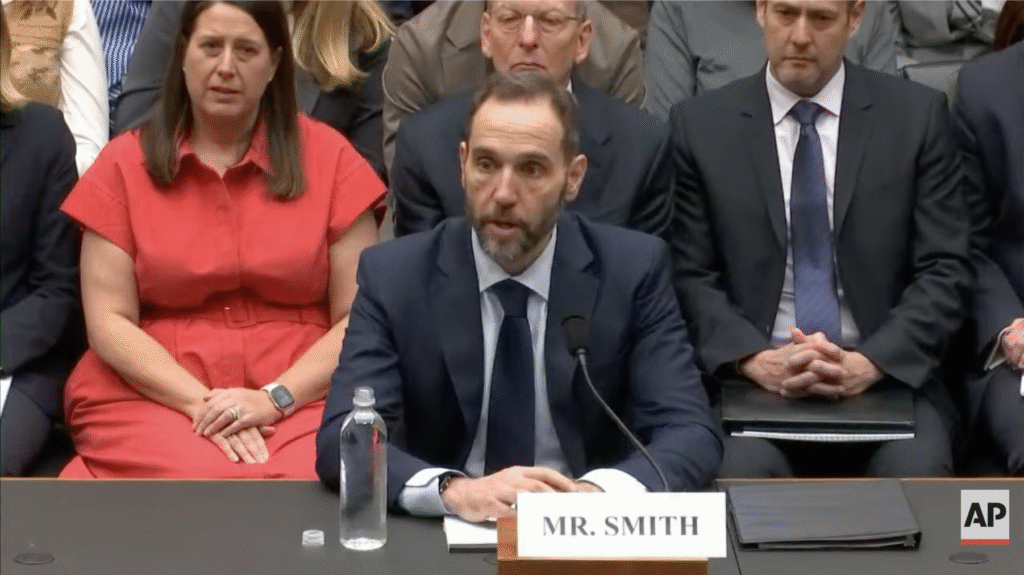
Special Counsel Jack Smith, appointed by Attorney General Merrick Garland in 2022, is leading investigations into Trump, including allegations of attempts to overturn the results of the 2020 election. Critics, including Senate Judiciary Committee Chairman Chuck Grassley, have characterized Smith's actions as politically charged and lacking lawful authority. In July 2024, U.S. District Judge Aileen Cannon ruled that Smith's appointment was unlawful, further complicating the narrative surrounding the investigations.
The FBI's surveillance activities are part of a broader investigation known as "Arctic Frost," which has reportedly targeted numerous Republicans associated with Trump. Grassley has previously stated that the evidence suggests the FBI's actions under the Biden administration may be worse than the Watergate scandal. He noted that the agency's surveillance included personal cell phone records of eight Republican senators and other political figures.
Silence from Democratic Lawmakers
Despite the serious allegations, Democratic lawmakers have remained mostly silent. The Federalist reached out to several members of the Senate Judiciary Committee, including Amy Klobuchar and Richard Blumenthal, but received no responses regarding their stance on the FBI's actions. Earlier this month, Democratic members defended Smith and the investigations, urging that he be allowed to testify in committee hearings.
In a letter to Grassley, Senate Judiciary Committee ranking member Dick Durbin criticized the focus on investigating the investigators, suggesting that the committee should instead address what he termed the current administration's abuses of power. Durbin's comments did not acknowledge the concerns raised about the FBI's surveillance practices.
Senator Ron Johnson, a Republican who was among those targeted by the FBI, expressed his frustration, stating, "The evidence continues to mount showing how wide Jack Smith and the Biden administration cast their partisan dragnet looking for phantom crimes to cripple their political opponents."
Broader Implications
The implications of these revelations are significant, as they raise questions about the limits of federal investigative powers and the potential for political bias within law enforcement agencies. Mark Davis, a member of the Georgia Republican Party’s Election Confidence Task Force, described his own experience with the FBI's surveillance as a violation of privacy, stating, "I hope they put Jack Smith behind bars for this!"
As the controversy unfolds, the lack of response from Democratic lawmakers may further fuel criticism of the Biden administration's handling of investigations into political opponents. The situation continues to develop, with calls for accountability and transparency from both sides of the political spectrum.
In summary, the FBI's surveillance of Trump allies has ignited a debate over the integrity of federal investigations and the potential for political bias, with significant implications for the ongoing discourse surrounding accountability in government actions.