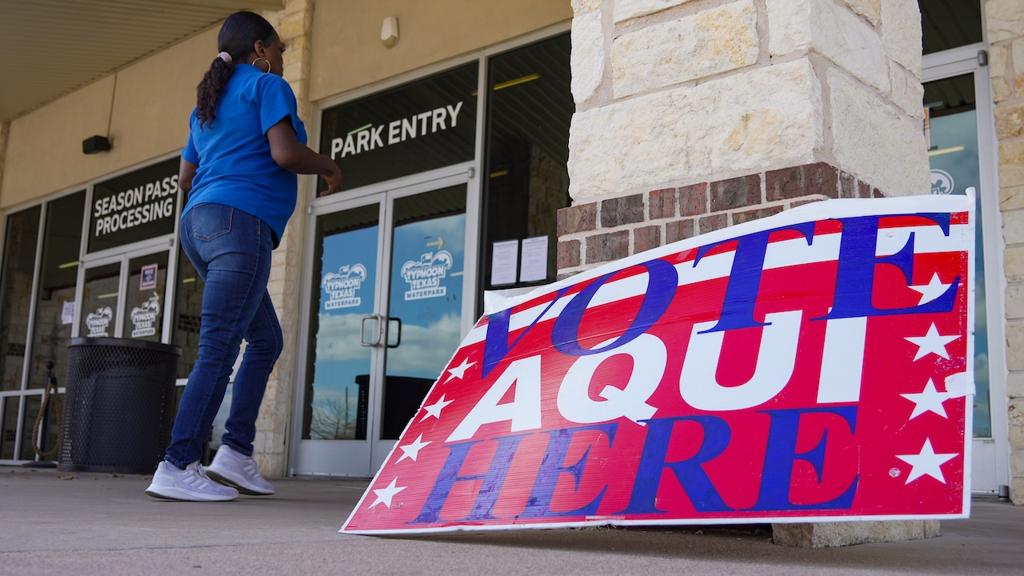
A newly released report from the U.S. Department of Homeland Security (DHS) has identified more than 113,000 deceased and noncitizen individuals registered to vote in Texas, the highest number among 10 states that provided their full voter rolls to federal authorities for review. The findings have intensified the ongoing debate over election security, voter eligibility, and the role of federal oversight in state-run elections, as Congress remains divided on federal voter ID legislation and state cooperation with federal review efforts varies widely.
Explainer Election Integrity in America: Safeguarding Voter Trust and Ballot Security
According to the declassified DHS report, Texas had 111,573 deceased individuals and 2,296 noncitizens registered to vote. In total, across the 10 states that submitted their complete voter rolls—Alabama, Georgia, Idaho, Kansas, Louisiana, Missouri, North Carolina, Ohio, Tennessee, and Texas—DHS found more than 400,000 deceased individuals and over 28,000 noncitizens registered. These numbers have raised concerns among election officials and lawmakers about the accuracy of voter rolls and the potential for ineligible individuals to participate in elections.
DHS Report Details
The release of the DHS report comes as the Safeguard American Voter Eligibility (SAVE) Act remains stalled in Congress. The SAVE Act, if passed, would require federal voter ID and set new standards for verifying voter eligibility. DHS officials have emphasized the importance of such legislation, arguing that it would help address vulnerabilities in the current system.
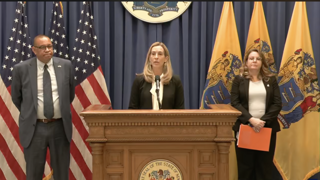
While 10 states provided full voter rolls for the DHS review, the remaining 40 states have not yet submitted their data. However, a preliminary review by DHS of voter rolls in California, New Jersey, Nevada, and Pennsylvania found more than 250,000 noncitizens registered to vote in those states. These findings were communicated directly to state officials. DHS Secretary Markwayne Mullin sent letters to the secretaries of state in California, New Jersey, Nevada, and Pennsylvania, warning them about the presence of thousands of noncitizens on their voter rolls. The letters requested a response within two weeks to confirm whether these states would collaborate with DHS to "ensure free, fair, and honest elections."
The DHS report has added urgency to calls for federal action. In a statement, President Donald Trump said, "Addressing this crisis of election security demands that Congress must pass the SAVE America act." He urged Americans to contact their representatives and demand action, stating, "The only reason you would not do it is you want to cheat because your policies are so bad."
State Responses and Legal Barriers
DHS has noted that many states have signed memoranda of agreement with U.S. Citizenship and Immigration Services to use the SAVE system for processing voter rolls. The SAVE system is designed to help states verify the citizenship status of individuals on their voter rolls. However, some states have refused to participate in this process, citing concerns about federal overreach and the accuracy of federal databases.
Legal challenges have also complicated federal efforts to verify voter eligibility. U.S. District Judge Sparkle Sooknanan has blocked the administration from using a revamped immigration database for voter roll checks. This ruling has made it more difficult for DHS to access the information needed to identify noncitizens on state voter rolls. As a result, the federal government’s ability to assist states in maintaining accurate voter rolls has been limited.
The White House has continued to call for swift passage of the SAVE America Act, arguing that federal voter ID requirements are necessary to protect the integrity of U.S. elections. Supporters of the legislation say that the findings in the DHS report demonstrate the need for uniform federal standards to prevent ineligible individuals from remaining on voter rolls. Critics of stricter voter ID laws have not yet publicly responded to the latest DHS report.
Broader Election Integrity Debate
The issue of noncitizens and deceased individuals on voter rolls has become a focal point in the broader national debate over election integrity. Proponents of stricter voter ID laws argue that the presence of ineligible registrants undermines public confidence in the electoral process and increases the risk of voter fraud. They point to the DHS findings as evidence that current state-level safeguards are insufficient.
On the other hand, some states and advocacy groups have expressed concerns about the potential for eligible voters to be mistakenly removed from the rolls during large-scale purges. They argue that maintaining accurate voter rolls is important, but that safeguards must be in place to protect the rights of legitimate voters.
DHS continues to seek cooperation from additional states and has requested formal responses from those identified with high numbers of ineligible registrants. The next steps in addressing the issue will depend on whether states comply with DHS requests for data and collaboration, as well as how Congress proceeds on federal voter ID legislation. The ongoing debate underscores the challenges of balancing election security with voter access and the complexities involved in maintaining accurate voter rolls across the country.