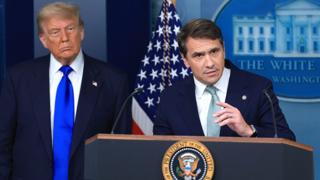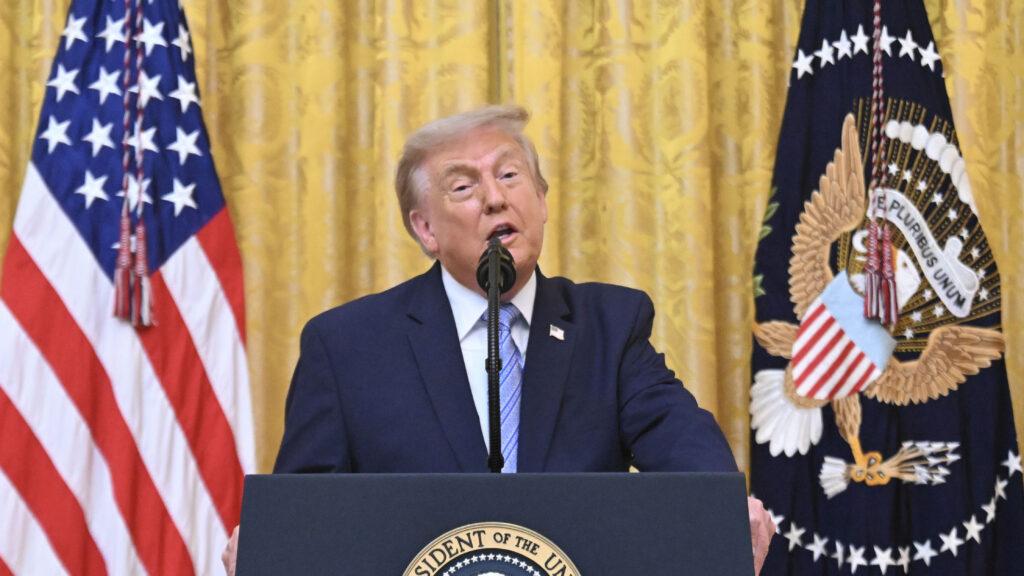
President Donald Trump on Thursday released declassified documents that he claims show China hacked into U.S. voter registration databases, accessing data on 220 million Americans. Trump further accused federal officials of concealing the breach from both him and Congress, intensifying ongoing debates about election security and transparency within federal agencies.
Explainer Election Integrity in America: Safeguarding Voter Trust and Ballot Security
The former president’s allegations arrive at a time when concerns over election integrity remain central in national discourse. While previous government reports have acknowledged Chinese cyber activity related to U.S. elections, they have generally disputed claims of direct manipulation of election results or voter data.
Trump’s Claims on Chinese Hacking
In a televised address, Trump stated that the newly declassified information reveals what he called “shocking vulnerabilities in our election infrastructure.” He described the incident as “the largest compromise of election data in history.” According to Trump, the People’s Republic of China obtained names, addresses, phone numbers, party preferences, and other personal data on 220 million U.S. voters.
“This data loss presents an unprecedented election, security nightmare.”
— Donald Trump, President of the United States
Trump asserted that the breach’s purpose was to gather information on millions of voters and claimed Chinese operatives sought to harm his presidency. He referenced information from 2018 and 2019, alleging that China’s government wanted him to lose the next election due to his policies on tariffs and military expansion. Trump argued that this cyber activity was part of a broader effort by China to influence U.S. politics and undermine his administration.
Allegations of Suppressed Intelligence
Trump accused what he described as the “deep state” of hiding evidence of the breach, stating, “They kept it secret and hidden. Did not disclose to me or Congress.” He further claimed that raw intelligence obtained by the FBI in 2020 indicated China attempted to manufacture ballots for Joe Biden, but that this information was “buried by rogue bureaucrats.”
He also alleged that China paid U.S. journalists to write negative stories about him during his first term. According to Trump, Chinese officials identified reporters critical of his administration and offered them large sums to continue negative coverage. These claims, if substantiated, would suggest a multi-pronged approach by China to influence both public opinion and the electoral process.
Federal Reports and Prior Incidents
Trump’s claims come against a backdrop of mixed official findings regarding foreign interference in U.S. elections. A joint report by the Justice Department and Department of Homeland Security during the Biden administration stated that China considered influencing the presidential election but ultimately did not manipulate results. The report concluded, “No evidence found that a foreign government manipulated any election results.”
Nevertheless, there have been documented cases of Chinese cyber activity targeting U.S. elections. During the 2024 campaign, FBI officials reported that Chinese operatives targeted the phones of several candidates, including Trump, Vice President JD Vance, and individuals associated with then-Vice President Kamala Harris. Additionally, a Justice Department and DHS report from December 2023 found that Chinese cyber actors collected publicly available voter information during the 2022 election cycle.
In July 2024, the Justice Department’s Office of Inspector General described China as one of several foreign governments conducting malign influence campaigns. These campaigns included the use of fake online personas, propaganda, and efforts to sow discord among American voters. While these findings confirm ongoing attempts by foreign actors to influence U.S. elections, officials have repeatedly stated that there is no evidence of direct manipulation of vote tallies or final results.
Push for Election Legislation
Trump used his address to advocate for the SAVE America Act, a legislative proposal that would require photo identification to vote and proof of citizenship to register. He cited Department of Homeland Security information indicating that about 278,000 registered voters are non-citizens. Trump added, “Since Democrat states refused to share their voter files, the real number is actually much higher than that.”
The White House has made election integrity a central policy focus, with the SAVE America Act among its key legislative priorities, according to its official website. Supporters of the legislation argue that stricter identification requirements are necessary to prevent fraud and foreign interference, while critics contend that such measures could disenfranchise eligible voters.
Democratic officials and agencies cited in past reports have maintained that there is no evidence of foreign governments manipulating election outcomes. As of Thursday, there was no immediate response from the Justice Department or Department of Homeland Security regarding Trump’s latest claims. The debate over election security and foreign interference is likely to remain a contentious issue as future elections approach, with both parties emphasizing the need for transparency and robust safeguards.
Trump’s allegations, combined with ongoing official investigations and legislative proposals, underscore the complexity of protecting U.S. elections from both real and perceived threats. The release of the declassified documents is expected to prompt further scrutiny of federal agencies’ handling of intelligence related to foreign cyber activity and may fuel calls for additional oversight and reform.