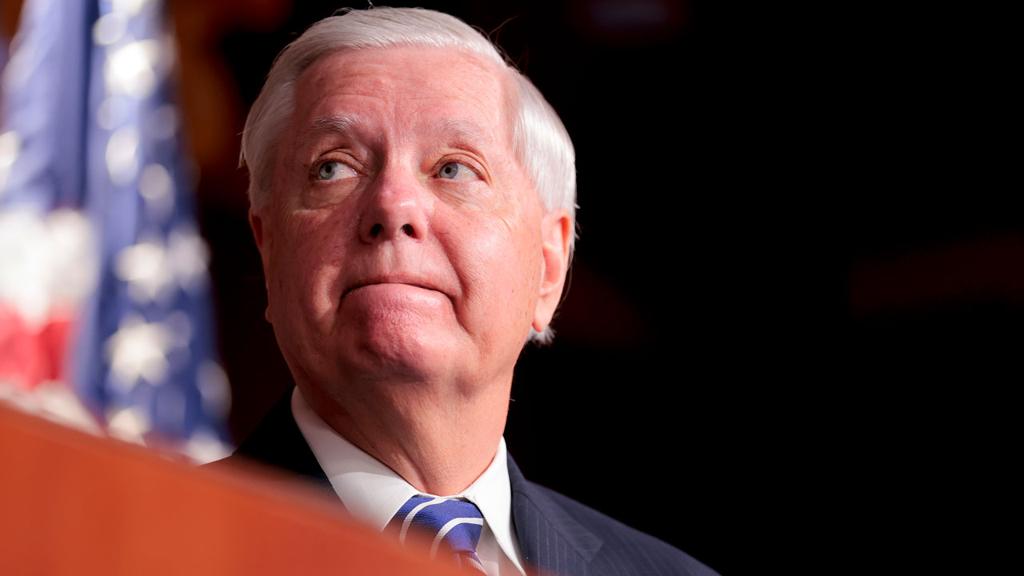
Sen. Mike Lee, R-Utah, is calling on the Senate to pass the SAVE America Act this month as a way to honor the late Sen. Lindsey Graham, who died Saturday evening at age 71. Graham’s death came shortly after a phone conversation with President Donald Trump, during which the two discussed the voting integrity bill that has become a focal point for Republican lawmakers.
Explainer Election Integrity in America: Safeguarding Voter Trust and Ballot Security
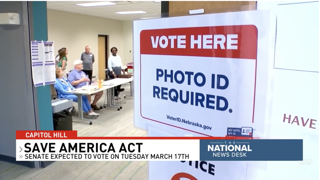
The SAVE America Act, currently under consideration in the Senate, would require proof of citizenship to register to vote and mandate voter ID to cast a ballot. Supporters argue these measures would strengthen election security and ensure that only eligible citizens participate in federal elections. The bill has become a rallying point for Republicans seeking to tighten voting regulations, while Democrats and some advocacy groups have raised concerns that such requirements could make it harder for eligible voters to participate.
Graham’s final conversation with Trump reportedly centered on the SAVE America Act. Trump, speaking to NBC’s “Meet the Press,” described Graham as a “strong advocate” for the bill’s passage. According to Trump, Graham called him after returning from a trip to Ukraine, emphasizing, “We’re all set on the SAVE America Act,” and expressing his determination to see it enacted. The president said Graham was focused on the bill despite being tired from travel, and that the two discussed meeting soon. Graham died shortly after their conversation.
Lee, appearing on Fox News’ “Sunday Morning Futures,” said passing the SAVE America Act would be a fitting tribute to Graham’s legacy. “One of the best ways we could honor Lindsey Graham’s legacy would be to take this up and pass it this month,” Lee said. He described Graham as a passionate lawmaker who remained committed to election integrity until his final moments. Trump also praised Graham’s advocacy for the bill, calling it “relentless.”
"One of the best ways we could honor Lindsey Graham's legacy would be to take this up and pass it this month."
— Sen. Mike Lee, R-Utah
Graham’s Final Push for the Bill
Graham’s focus on the SAVE America Act in his final days has added urgency to Republican efforts to advance the legislation. According to Trump, Graham’s last phone call was dedicated to discussing the bill. Trump recounted that Graham, though fatigued from his travels, was intent on seeing the SAVE America Act move forward. The two discussed meeting in person to continue their conversation, but Graham died soon after the call.
Lee and other Senate Republicans have highlighted Graham’s dedication to election security, noting that he remained engaged with legislative priorities until the end of his life. Graham’s advocacy for the SAVE America Act is being cited by his colleagues as a reason to prioritize the bill in the Senate’s legislative agenda.
Legislative Paths Forward
Sen. Lee has outlined several strategies for advancing the SAVE America Act in the Senate. One option is to attach the bill to a must-pass legislative vehicle, such as an appropriations bill or other essential legislation. Another approach would be to bring the bill directly to the Senate floor for debate, utilizing a “talking filibuster” to force extended discussion and potentially overcome procedural hurdles. Lee, a longtime supporter of the talking filibuster, argues that this method offers the best chance for passage by allowing senators to make their case directly to the public and their colleagues.
A third possibility is to implement parts of the SAVE America Act through the budget reconciliation process, which allows certain fiscal measures to pass the Senate with a simple majority rather than the 60 votes typically required to overcome a filibuster. However, it is unclear whether all provisions of the bill would qualify for reconciliation under Senate rules.
The SAVE America Act’s requirements for proof of citizenship and voter ID have drawn support from Republicans who say such measures are necessary to protect the integrity of U.S. elections. They argue that requiring documentation will help prevent noncitizens from registering or voting and will increase public confidence in election outcomes. Critics of similar proposals, including some Democrats and voting rights advocates, have argued that such requirements could restrict access for eligible voters, particularly those who may have difficulty obtaining the necessary documents. Supporters of the bill have not addressed those concerns in their recent public statements.
Broader Context and Next Steps
The debate over the SAVE America Act reflects ongoing partisan divides over election security and voting access. Republicans have made election integrity a central issue, especially in the wake of recent election cycles that have seen disputes over voting procedures and allegations of irregularities. Democrats and many advocacy groups, meanwhile, have focused on expanding access to the ballot and preventing measures they view as restrictive.
Graham’s death has added a sense of urgency to Republican efforts to move the SAVE America Act forward. Both Lee and Trump have framed the bill’s passage as a way to honor Graham’s legacy and commitment to election security. In the coming weeks, the Senate is expected to consider possible legislative vehicles and debate strategies for advancing the bill. Lawmakers will weigh the various procedural options outlined by Lee and determine the best path forward as they navigate the chamber’s rules and the broader political landscape.
As the Senate prepares to take up the SAVE America Act, the outcome of the debate could have significant implications for future federal elections and the ongoing national conversation over voting rights and election integrity. The coming days will likely see continued discussion among senators, advocacy groups, and the public as the chamber decides whether to move forward with the legislation in honor of Graham’s final legislative priority.