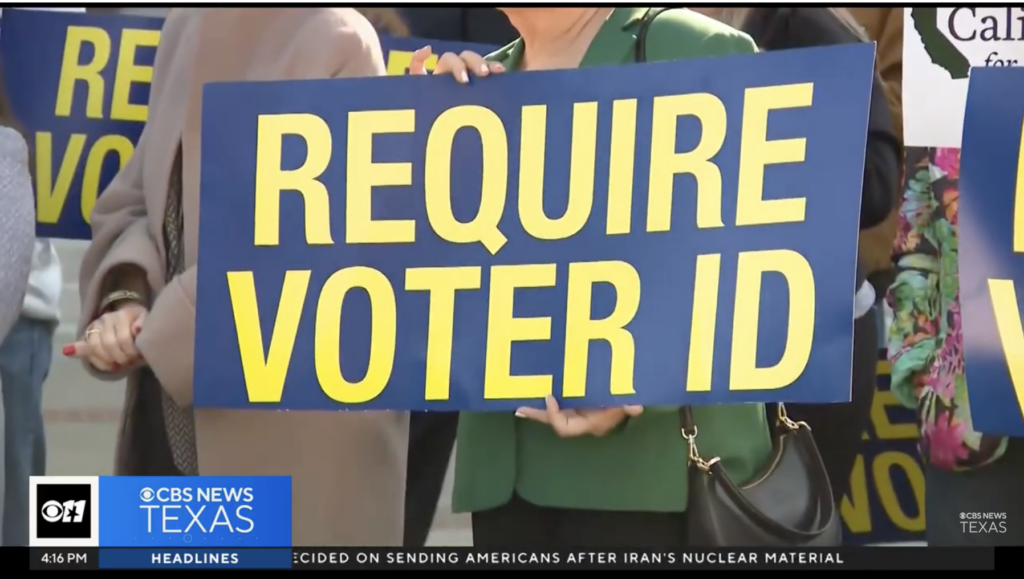
Senate Republicans are currently debating the SAVE America Act, which seeks to require proof of U.S. citizenship and photo identification for voting in federal elections. This legislation has garnered significant support among the public, with polls indicating that over 80% of Americans favor voter ID requirements. However, some Republican senators, including Lisa Murkowski of Alaska, have expressed opposition to the bill, focusing instead on other legislative priorities.
Explainer Election Integrity: Protecting Voter Rights in Modern America
The core tension in this debate revolves around the balance between election integrity and accessibility. Proponents of the SAVE America Act argue that requiring identification is a common-sense measure to ensure fair elections, while critics contend that such requirements could disenfranchise voters, particularly among marginalized communities.
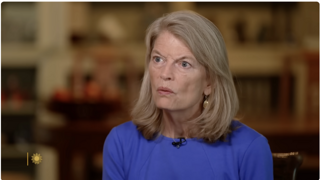
Murkowski has publicly stated her opposition to the SAVE America Act, emphasizing her support for different initiatives, such as Senate Resolution 650, which recognizes the contributions of American Indian, Alaska Native, and Native Hawaiian women. This resolution was passed by unanimous consent, highlighting a contrasting focus within the Senate. Murkowski's stance has drawn criticism from some conservatives who view her as prioritizing less pressing issues over election integrity.
Key Details
Senator Cynthia Lummis of Wyoming, a supporter of the SAVE America Act, introduced the Local Data for Better Conservation Act during the ongoing debate. This proposal aims to amend the Endangered Species Act to incorporate data from state wildlife agencies. While Lummis's bill addresses important environmental concerns, critics argue that it distracts from the urgent need to address election integrity through the SAVE America Act.
Background and Reactions
President Donald Trump has emphasized the significance of the SAVE America Act, calling it "one of the most IMPORTANT & CONSEQUENTIAL pieces of legislation in the history of Congress, and America itself." He has urged Senate Republicans to prioritize this legislation and has threatened to withhold support from those who oppose it.
Senate Majority Leader John Thune of South Dakota has facilitated the extended debate on the SAVE America Act, but the path to passing the legislation remains challenging. Critics within the Republican Party, often labeled as "conservatives in name only," have been called out for not fully supporting the bill.
Senator Roger Marshall of Kansas argued on the Senate floor that the legislation should not be controversial, citing polls that show a majority of Democrats also support voter ID laws. "Polls show that even around 70% of Democrats believe voter ID is common sense and essential for fair elections," Marshall stated. He emphasized that requiring identification for voting is a standard practice in many aspects of daily life, such as boarding a plane or purchasing alcohol.
Despite the strong public support for voter ID laws, Senate Democrats have largely opposed the SAVE America Act, framing it as a measure that could hinder access to voting. This opposition has led to a divide within the Senate, as Republicans seek to rally support for the legislation while facing pushback from their Democratic counterparts.
Advocacy groups focused on election integrity, such as the Election Integrity Network, have mobilized efforts to encourage constituents to contact their senators regarding the importance of the SAVE America Act. These organizations argue that voting against voter ID could have political repercussions for lawmakers, particularly in light of the strong public support for such measures.
As the debate continues, Senate Republicans are under pressure to maintain focus on the SAVE America Act while navigating competing legislative priorities. The outcome of this debate could have significant implications for future elections and the broader conversation around voting rights and election integrity in the United States.