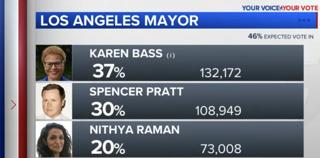
Los Angeles City Councilwoman Nithya Raman has taken the lead in the mayoral race against Spencer Pratt after initially conceding defeat on election night. This dramatic shift, where Raman surged ahead by more than 20,000 votes following post-election ballot counts, has prompted scrutiny over California's election procedures and raised concerns about transparency and integrity in the electoral process.
Explainer Election Integrity and Voter Access in California: A Complex Landscape
The core tension revolves around the legitimacy of the vote counting process in California, which allows ballots postmarked by Election Day to be accepted up to seven days after the election. Critics argue that this system can lead to confusion and mistrust among voters, particularly when significant changes in vote totals occur after election night. This aspect of California's election law has become a focal point for those questioning the overall integrity of the electoral system.
On election night, Pratt led Raman by approximately 40,000 votes. However, as additional ballots were counted in the days following the election, Raman's numbers began to climb significantly. By Sunday evening, she had overtaken Pratt, leading to questions about how a candidate who appeared to be trailing could suddenly emerge victorious. Pratt expressed skepticism on social media, questioning the timing of the vote count: "43,000, huh? Where have I seen that number before...?" He referenced a previous article noting the number of homeless individuals in Los Angeles, suggesting a potential link to the election's outcome and raising further concerns about the integrity of the vote.
Concerns About Election Integrity
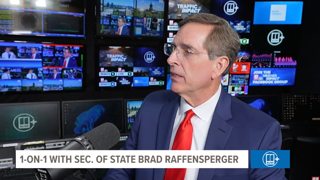
California's election laws have faced criticism for their leniency, particularly regarding voter registration and ballot counting. Election expert Hans Von Spakovsky noted that the state's rules allow officials to accept ballots without a postmark or to rely on the date written inside the envelope. This raises significant questions about voter verification and the potential for abuse in the system.
Additionally, there have been past incidents of voter registration fraud in Los Angeles, including a case where a woman pleaded guilty to paying homeless individuals to register to vote. In 2020, two individuals were charged for allegedly submitting fraudulent voter registration applications on behalf of homeless persons. While these incidents do not directly implicate the current election, they contribute to a broader narrative of skepticism surrounding California's electoral processes and the effectiveness of its safeguards against fraud.
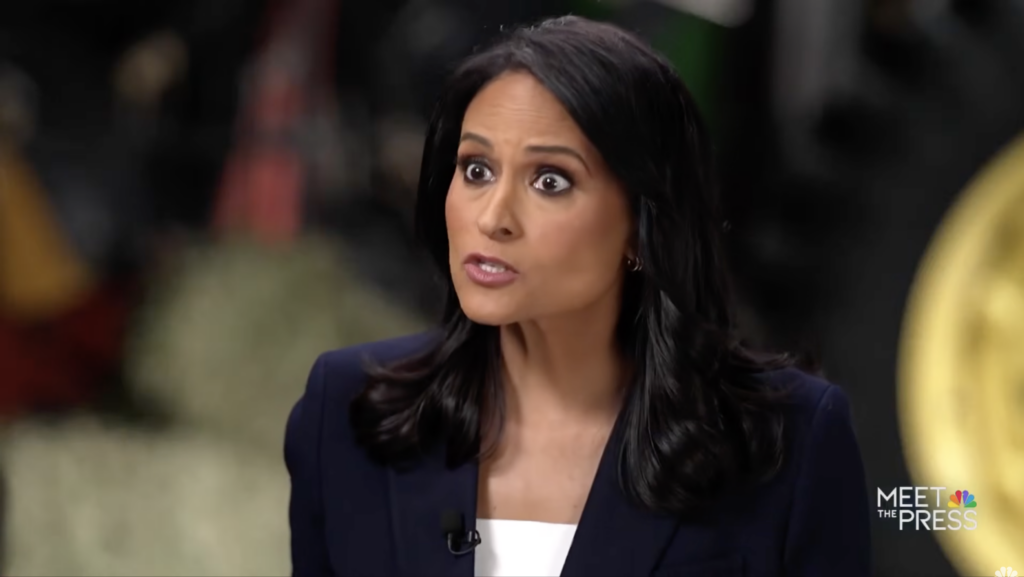
Kristen Welker, host of NBC's Meet the Press, defended the state's vote counting practices during an interview with former President Donald Trump, who claimed that the election was "rigged." Welker challenged Trump, asking, "Where’s the evidence to that?" Critics argue that her dismissal of concerns overlooks legitimate questions about the integrity of the electoral system and the potential for voter disenfranchisement.
The Broader Context
The controversy surrounding the California election results is not isolated. It reflects ongoing national debates about election integrity, particularly in the wake of the 2020 presidential election. Trump has consistently raised concerns about voting irregularities, citing specific allegations of ineligible voters casting ballots in Georgia, where the presidential race was decided by a narrow margin. These discussions have heightened awareness and scrutiny of electoral processes across the country.
Despite the scrutiny, supporters of California's election system argue that the extended counting period is necessary to ensure every vote is accurately counted. They contend that the state's procedures are designed to enhance voter participation and that concerns about fraud are often overstated. However, officials have not publicly addressed the specific criticisms raised regarding the recent election, leaving many questions unanswered.
As the situation unfolds, the implications for future elections in California and beyond remain significant. The ability of voters to trust the electoral process is crucial for democratic engagement, and ongoing debates about election integrity will likely shape political discourse in the coming months. The outcome of this election may influence public perception and policy regarding electoral reforms in California and other states.
In summary, the unexpected turn in the Los Angeles mayoral race has reignited discussions about California's election practices, highlighting the balance between accessibility and integrity in the voting process. The evolving narrative surrounding this election could have lasting effects on how elections are conducted and perceived in the future.