Members of the Georgia State Election Board (SEB) were denied access to the Election Night Reporting Room during the state’s primary election, prompting criticism from state GOP Chairman Josh McKoon. He described the decision as "outrageous" and a threat to the integrity of Georgia’s elections.
Explainer Election Integrity: Protecting Voter Rights in Modern America
The core issue revolves around transparency in the vote counting process, with critics arguing that the lack of independent observation undermines public confidence in election results. The Election Night Reporting Room, referred to as "the Bunker," is where votes from all 159 counties are aggregated for statewide results.
The SEB's access was blocked despite legal provisions that allow poll watchers to observe tabulation processes. Salleigh Grubbs, a member of the SEB and vice chair of the Georgia Republican Party, expressed her shock at the decision, stating that the final tabulation of votes should not occur behind closed doors. "If there’s nothing to hide — you hide nothing," she wrote, urging the public to demand observer access.
Key Details
Holly Kesler, a grassroots elections integrity advocate, echoed these concerns, citing Georgia statutes that guarantee access to polling places and require the SEB to ensure transparent elections. She encouraged supporters to contact the secretary of state’s office to insist on full observer access to the Bunker.
Background and Reactions
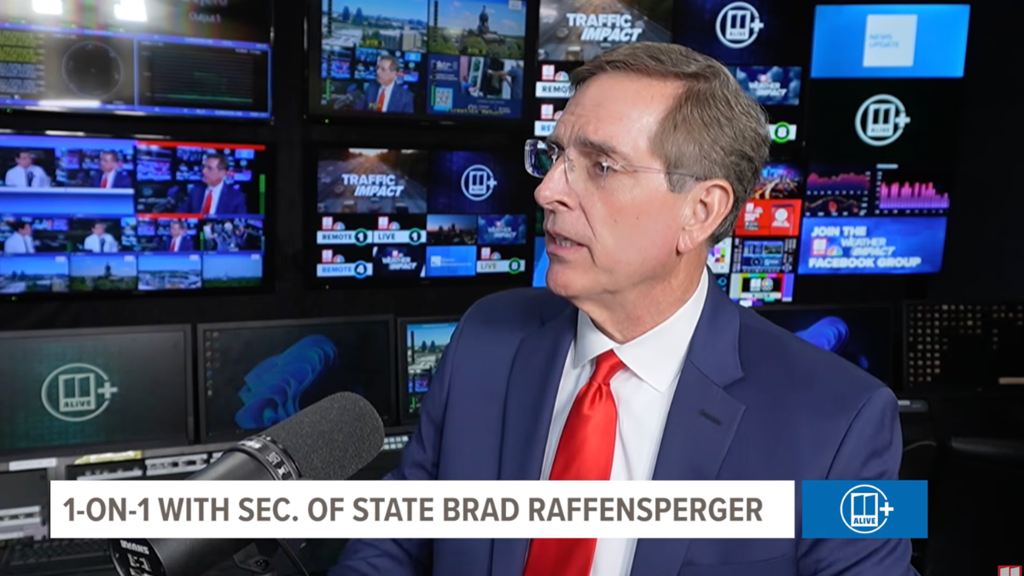
In response, Robert Sinners, Communications Director for Secretary of State Brad Raffensperger, suggested that concerned parties reach out to the attorney general’s office for a formal opinion. He emphasized that the secretary had no role in the decision and noted that no tabulation occurs at the Bunker itself. "If these SEB members were serious about their concerns, they would spend their time where the ballots are — at the tabulation centers on Election Day," Sinners stated.
Ongoing Tensions
The exchange highlights ongoing tensions between the SEB and the secretary of state’s office. Grubbs indicated that she had previously requested access for board members during the primary election, but the request was denied. This incident follows a history of disputes regarding election oversight in Georgia, particularly since the contentious 2020 election.
In 2020, Republican observers were removed from ballot counting at State Farm Arena in Fulton County, raising alarms about transparency. More recently, Fulton County Republican Julie Adams filed a lawsuit against the county for withholding election records. Critics have also pointed to delays in responses to open records requests from the secretary of state’s office.
Despite these criticisms, the secretary of state’s office maintains that the Bunker is not intended for public oversight. Video from an April SEB meeting revealed that some officials had previously been granted access to the facility, raising questions about the consistency of access policies.
Calls for Accountability
The coordinated push from party leaders and election advocates underscores a broader concern about the integrity of the vote counting process. As voters prepare to head to the polls, the lack of independent oversight in the centralized vote compilation process remains a contentious issue.
Mark Davis, President of Data Productions, Inc., and a member of the Georgia Republican Party’s Election Confidence Task Force, has extensive experience in election data and has testified in various election-related court cases. He emphasized the importance of transparency in ensuring public confidence in election outcomes.
As the primary election approaches, the SEB's inability to observe the vote counting process may further fuel concerns about election integrity in Georgia. The ongoing debate reflects a deepening divide over how elections are conducted and monitored in the state, with both sides advocating for their interpretation of transparency and accountability in the electoral process.