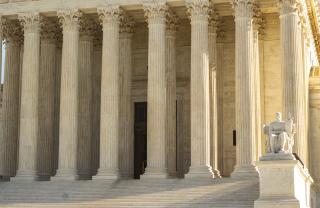
The U.S. Supreme Court has officially rejected an appeal from Virginia Democrats who sought to block a ruling that deemed their proposed congressional map unconstitutional. As a result of this decision, the state will proceed with a congressional map that features six Democratic districts and five Republican districts for the upcoming 2026 midterm elections. This ruling has intensified criticism from Democratic leaders who accuse the Supreme Court of undermining voter rights and the electoral process.
Explainer Navigating Virginia's Electoral Landscape: Key Issues and Reforms
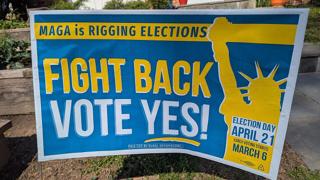
The core tension in this situation arises from the Democrats' assertion that the Supreme Court's ruling effectively nullifies the votes of millions of Virginians. They argue that the ruling disregards the will of the electorate. Conversely, critics of the Democrats contend that the ruling actually upholds the integrity of state law and the constitutional processes governing redistricting. The Virginia Supreme Court had previously ruled against the Democrats' gerrymandering referendum, which sought to create a congressional map that would favor their party's interests.
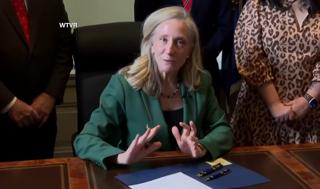
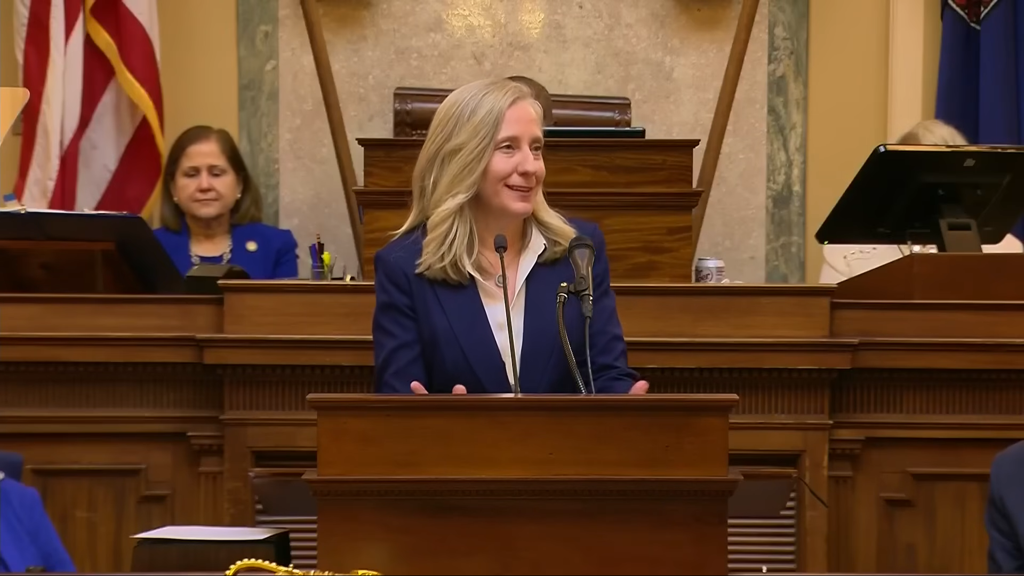
The Supreme Court's unanimous decision not to intervene in the case was anticipated by legal observers, who noted that the issues at hand were primarily state constitutional matters rather than federal law. Virginia Governor Abigail Spanberger expressed her discontent with the ruling, stating that both the Supreme Court and the Virginia Supreme Court had “nullified an election and the votes of more than three million Virginians.” This sentiment was echoed by Virginia Attorney General Jay Jones, who claimed that the ruling “overturned the results of a lawful election and erased the will of millions of Virginia voters.” He characterized the Supreme Court's denial as part of a broader attack on voting rights, linking it to actions taken by Republican state legislatures and conservative courts across the country.
However, critics of the Democrats' position point out that the party itself had requested the Virginia Supreme Court to rule on the referendum after the election had taken place. This raises questions about the timing and motivations behind their claims of voter disenfranchisement. U.S. House Minority Leader Hakeem Jeffries also weighed in on the matter, asserting on social media that “the American people will decide who controls Congress in November” and not “far-right extremists on the Supreme Court.” Notably, Jeffries did not mention that the Supreme Court's three Democratic appointees did not dissent from the ruling, which adds another layer of complexity to the ongoing debate.
Context of the Ruling
The Supreme Court's decision comes amid a broader national conversation about redistricting and gerrymandering, particularly as states prepare for the upcoming midterm elections. The Virginia case highlights the contentious nature of electoral maps and the ongoing disputes over their fairness and legality. Democrats have increasingly voiced concerns about the Supreme Court's conservative majority, suggesting that it has become a tool for advancing partisan interests. Left-wing columnist Seth Abramson compared the Virginia case to the Supreme Court's controversial Bush v. Gore decision, arguing that the court intervenes when state courts lean left. However, this comparison has faced criticism for overlooking the specific legal issues at play in each case.
Future Implications
The rejection of the Democrats' appeal is likely to have significant implications for the 2026 elections in Virginia, where the current congressional map will remain in effect. The Democrats' response to the ruling may also shape their strategy moving forward, as they seek to mobilize voters around the issue of electoral fairness and the integrity of the voting process.
Calls from some Democrats to expand the Supreme Court have gained traction as part of a broader strategy to counter perceived judicial overreach. Prominent figures within the party, including former Vice President Kamala Harris and Senator Ruben Gallego, have expressed support for this approach. This suggests that the party may push for reforms if they regain control of the federal government in the future.
While the Democrats continue to criticize the Supreme Court's ruling, supporters of the court argue that the decision reinforces the rule of law and the importance of adhering to state constitutional processes. As the political landscape continues to evolve, the debate over redistricting and the role of the Supreme Court is expected to remain a focal point in American politics, influencing both public opinion and electoral outcomes in the years to come.