In the wake of recent political violence, including the assassination of conservative activist Charlie Kirk, there is a growing call among some conservatives and moderates to scrutinize nonprofit organizations that they believe contribute to left-wing extremism. This sentiment has sparked discussions about the role of certain voter registration groups, which critics argue operate as extensions of the Democratic Party.
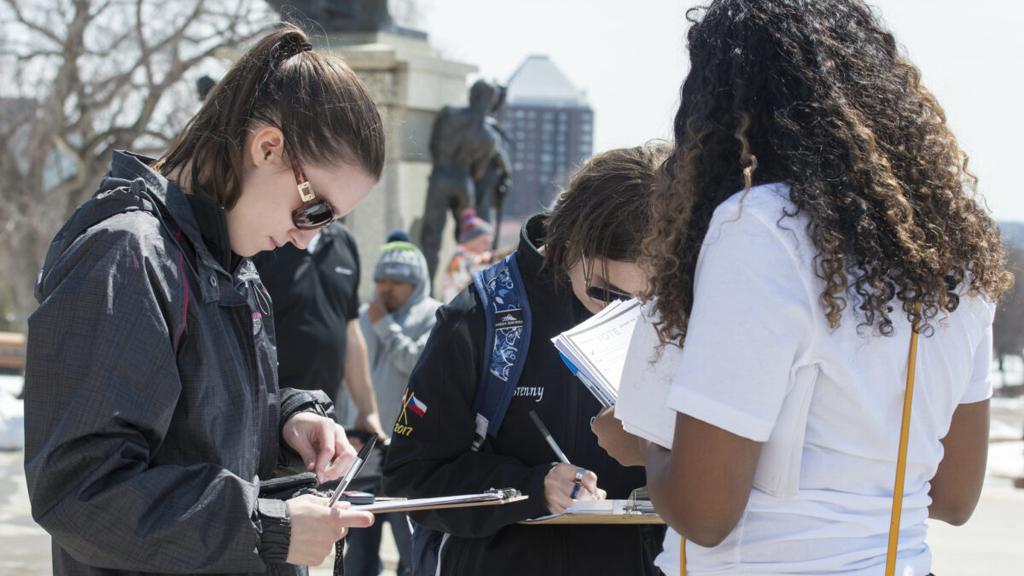
The debate centers on the so-called "charitable" (Restriction Of Political Campaign Intervention By Section 501c3 Tax Exempt Organizations — irs.gov) voter registration industry, which, despite IRS regulations prohibiting partisan activities, is accused of engaging in practices that favor Democratic candidates. A memo from the Democratic Super PAC Mind the Gap in 2020 claimed that organizations like the Voter Participation Center (VPC) and the Everybody Votes Campaign (EVC) were significantly more effective in mobilizing Democratic voters compared to other methods.
"Even though the group was officially nonpartisan, it was no secret that the goal of all its efforts was to generate new votes for Democrats."
— Sasha Issenberg, journalist
The EVC, which has registered over 7 million voters and received $200 million in funding since its inception in 2015, has faced allegations of submitting fraudulent registration forms in multiple states, including Michigan and Pennsylvania. Critics point to its ties to partisan efforts, including substantial donations to groups like the New Georgia Project, which was fined $300,000 for partisan electioneering.
"Even though the group was officially nonpartisan, it was no secret that the goal of all its efforts was to generate new votes for Democrats," (Restriction Of Political Campaign Intervention By Section 501c3 Tax Exempt Organizations — irs.gov) said Sasha Issenberg, a journalist who has reported on the VPC's activities since 2012.
The VPC claims to have registered 6.6 million voters, but its practices have raised eyebrows. In 2024, the organization was criticized for filtering its social media ads to reach specific demographics, avoiding audiences interested in traditionally conservative topics. This has led to accusations of bias in its voter outreach efforts.
The situation is further complicated by the emergence of state-level affiliates that not only register voters but also engage in advocacy and organize protests. These groups are said to maintain databases that are sold to Democratic PACs, raising concerns about the integrity of the voter registration process.
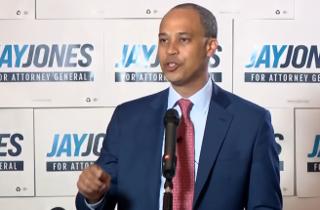
Elected officials have begun to respond. Maryland's attorney general issued a cease-and-desist letter to the VPC over its mailers, while Rep. Claudia Tenney (R-N.Y.) has urged the IRS to investigate the organization. Additionally, 21 Michigan representatives have called for inquiries into both the VPC and EVC.
Amid these developments, some Democratic donors are expressing concerns about the effectiveness of these voter registration efforts. A memo circulated among Democratic strategists in April 2024 warned that shifts in voter demographics could undermine the success of these initiatives. The New York Times reported that internal conflicts are arising over funding decisions for voter registration groups, reflecting a growing unease within the party.
With pressure mounting from various quarters, some conservatives argue that this is an opportune moment to push for reforms. Suggestions include revoking the tax-exempt status of organizations like the VPC and EVC, as well as pursuing legal action for potential tax fraud or conspiracy.
Parker Thayer, an investigative researcher at the Capital Research Center, emphasized the need for action, stating, "If the goal is to dismantle the left-wing NGO complex, voter registration groups are the best place to start." (Restriction Of Political Campaign Intervention By Section 501c3 Tax Exempt Organizations — irs.gov)
As discussions continue, the future of these voter registration nonprofits remains uncertain, with potential implications for the upcoming elections and the broader political landscape.