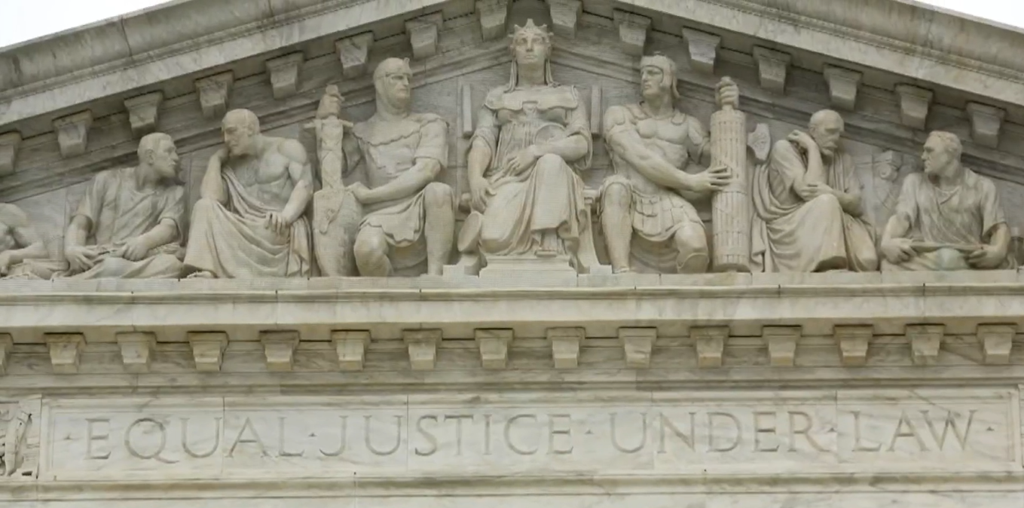
The U.S. Supreme Court has agreed to hear a significant case regarding the counting of mail-in ballots, specifically whether states can accept ballots that arrive after Election Day. The case, Watson v. Republican National Committee (RNC), stems from a Mississippi law that allows ballots postmarked by Election Day to be counted up to five business days afterward.
Currently, Mississippi's law permits ballots from a Tuesday election to be counted if they arrive by the following Tuesday, provided they meet the postmark criteria. Similar laws exist in approximately 30 states. The RNC argues that this practice violates federal election laws, which they claim establish a uniform deadline for voting.
Brianna Lyman, an elections correspondent for The Federalist, reported that the RNC contends, "Congress established a uniform, national day to elect members of Congress and to appoint presidential electors," and that Mississippi's law contravenes these federal regulations by extending the voting period.
The RNC asserts that allowing ballots to be counted days after Election Day could lead to electoral chaos and undermine public confidence in the election process. They argue that such practices disproportionately benefit Democratic candidates, stating that accepting ballots after the election "deprive[s] the electorate of a clear nationwide deadline."
The debate over mail-in ballots intensified during the COVID-19 pandemic, which led to a surge in mail-in voting as states sought to accommodate social distancing measures. Prior to the pandemic, most states conducted voting on Election Day, with results tallied shortly after polls closed. The introduction of mail-in ballots and drop boxes changed the dynamics of election seasons, prompting parties to adjust their strategies based on the return rates of mail ballots.
The RNC's brief for the case highlights concerns about potential impropriety, noting that "thousands of absentee ballots" arriving after Election Day could flip election results. As the 2026 midterm elections approach, the implications of this case are significant for election integrity and voter confidence.
Arguments in the case are expected to take place next year, with a decision anticipated by late June or early July, according to SCOTUS Blog. The outcome could set a precedent affecting mail-in voting laws across the country, influencing how elections are conducted in the future.