The Smithsonian’s National Museum of American History is under heightened scrutiny following the release of a White House report that accuses the institution of omitting foundational figures and documents from its exhibits. The controversy comes as the United States prepares to mark its 250th anniversary, a milestone that has intensified debates over how the nation’s history should be preserved and presented to the public.
White House Report’s Findings
The White House report alleges that the National Museum of American History distorts the nation’s story by failing to present a comprehensive and balanced national narrative. Specifically, the report points to the absence of dedicated exhibits on George Washington and the Declaration of Independence. These omissions, the report says, are "egregious" given the central role both Washington and the Declaration play in the country’s founding and identity.
The report further contends that the museum’s current approach risks leaving visitors without a clear understanding of the principles and figures that shaped the United States. According to the report, such gaps in representation undermine the museum’s responsibility to educate the public about the nation’s origins and its core values.
Competing Visions for the Museum
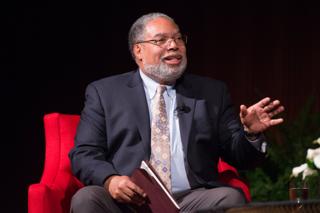
Smithsonian leaders, including Secretary Lonnie Bunch and National Museum of American History Director Anthea Hartig, have articulated a vision for the museum that emphasizes history as a tool for social justice. Hartig has publicly stated that museums should promote "activism and advocacy," a philosophy that has influenced the museum’s programming and exhibit development. This approach has led to the establishment of the Center for Restorative History, which focuses on the experiences of historically oppressed groups and highlights America’s shortcomings alongside its achievements.
"History should serve as a tool of social justice,"
— Anthea Hartig, Smithsonian director
Supporters of this direction argue that it is essential to confront the nation’s failures and to amplify voices that have historically been marginalized. They believe that by doing so, the museum can foster a more inclusive understanding of American history and encourage visitors to engage with ongoing struggles for justice and equality.
However, critics argue that this emphasis on activism and restorative justice risks overshadowing the founding principles of the United States. They contend that focusing primarily on the nation’s failures and the flaws of figures like Thomas Jefferson can diminish the shared national memory and the ideals enshrined in foundational documents. According to these critics, acknowledging historical wrongs is important, but it should not come at the expense of recognizing the enduring significance of principles such as human equality, consent of the governed, and inalienable rights as articulated in the Declaration of Independence.
The Case for Civic Education
Opponents of the advocacy model maintain that the museum’s primary responsibility is civic education. They argue that the institution should present history as it occurred, providing visitors with the context necessary to understand both the achievements and the failures of the past. This approach, they say, requires greater attention to influential figures such as George Washington and James Madison, whose contributions were instrumental in shaping the nation’s founding.
Advocates for this perspective believe that prioritizing historical accuracy and a balanced narrative over modern identity categories is crucial for fostering a sense of unity and shared heritage. They often cite the words of Founder Mercy Otis Warren, who observed that studying human character reveals both "a beautiful and a deformed picture of the soul." In their view, museums should help visitors grapple with the complexities of history, rather than emphasizing only its darker chapters or using history primarily as a vehicle for contemporary advocacy.
Broader Debate and Public Role
The debate over the museum’s mission reflects a wider national conversation about how American history should be taught, remembered, and commemorated. Smithsonian museums, as national institutions, play a central role in public education and in shaping civic identity. Many see these museums as opportunities for Americans to reconnect with their heritage and the principles that have guided the nation since its founding.
James Madison’s words are often invoked in this context: "What spectacle can be more edifying or more seasonable, than that of Liberty & Learning, each leaning on the other for their mutual & surest support?" This sentiment underscores the belief that museums should serve as spaces where liberty and education reinforce one another, helping to sustain democratic values.
As the Smithsonian’s National Museum of American History faces calls to clarify its mission and content, its leaders have not publicly addressed the specific criticisms raised in the White House report. The museum’s approach and future exhibit plans remain under discussion, with stakeholders on all sides urging the institution to consider both the importance of historical accuracy and the need to reflect the diverse experiences that make up the American story.
The outcome of this debate may shape not only the museum’s future but also the broader national narrative as the United States approaches its 250th anniversary. The question of how best to balance restorative justice, civic education, and historical preservation remains at the center of the ongoing conversation about America’s past and its future.