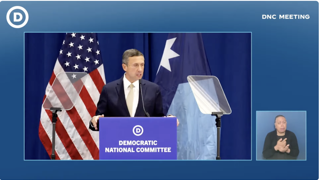
Federal law enforcement officials are warning that Mexican drug cartels are intensifying efforts to recruit migrants for illegal border crossings following Democrats' recent sweep of Congress. Despite these efforts, U.S. Border Patrol apprehensions along the southwest border remain at some of the lowest levels in years, according to government data.
Explainer How DHS Shapes Immigration Enforcement and Election Security in America
Cartel recruiters are reportedly capitalizing on perceptions that Democratic victories signal a forthcoming relaxation of border enforcement, aiming to convince migrants that entry into the United States will soon become easier. The stakes are high as these narratives can drive migration surges, regardless of actual policy changes.
Recent history shows that shifts in U.S. political control have influenced migration patterns. After Democrats took the House in early 2019, Border Patrol encounters on the southwest border rose from 47,979 in January to 132,856 by May, a nearly 177 percent increase. Similarly, following President Biden's 2020 victory, encounters jumped from 71,141 in December to over 200,000 by July the next year. Conversely, after Republicans gained the House in 2022, encounters dropped from 222,018 in December to 129,513 in January, before rising again as new border measures were introduced.
Cartel Messaging and Migrant Decisions
Cartels are leveraging election outcomes, congressional investigations, and public calls for changes to immigration enforcement as evidence that U.S. border controls are weakening. Officials say these claims are used to entice migrants, regardless of whether actual enforcement policies have changed. "They’re selling a promise, not teaching a civics class," wrote Colton Overcash, a former Department of Homeland Security official.
"They’re selling a promise, not teaching a civics class."
— Colton Overcash, former DHS official
While Democrats will soon control both chambers of Congress, they cannot directly order Border Patrol agents to halt enforcement. However, they can conduct investigations, issue subpoenas, and use the appropriations process to challenge President Trump's immigration policies. Critics argue that such actions could be interpreted by smugglers as signs of weakening enforcement, fueling further recruitment.
Border Apprehensions and Enforcement Trends
Despite cartel efforts, U.S. Customs and Border Protection (CBP) data show that apprehensions remain low. In September, agents made 8,936 apprehensions along the southwest border, compared to 185,515 in September 2021—a reduction of more than 95 percent, though earlier figures included repeat encounters under the now-expired Title 42 policy. According to CBP statistics, November saw 7,482 apprehensions at the southwest border, with nationwide totals also at historic lows.
The Trump administration has attributed these results to expanded border infrastructure and technology, including the ongoing construction of a Smart Wall featuring steel barriers, cameras, and sensors. The Department of War has provided aerial surveillance and joint patrols with the Department of Homeland Security, while U.S. Northern Command reported nearly 3,000 joint patrols with Border Patrol agents over the past year.
Financial Networks and Policy Responses
Officials are also targeting the financial networks behind human smuggling. The Treasury Department reported that financial institutions flagged nearly $5 billion in transactions linked to suspected human smuggling from 2023 through 2025. In 2025, Treasury sanctioned a Mexico-based smuggling organization and 16 associated companies. Overcash has called for a 90-day financial and prosecutorial offensive, involving DHS, DOJ, and Treasury, to disrupt these networks through asset freezes and prosecutions.
Democratic leaders have not directly addressed these criticisms, but supporters argue that congressional oversight is a legitimate function and does not necessarily undermine border security. The administration maintains that multiyear funding and presidential veto power protect ongoing enforcement operations, though a funding standoff could disrupt some activities.
Smart Wall and Border Security Measures
The CBP Smart Wall initiative is a key component of current enforcement, combining steel barriers, detection technology, and waterborne barriers along the Rio Grande to deter illegal crossings. CBP states that the right mix of infrastructure, technology, and personnel is critical to maintaining operational control of the border and ensuring national security.
As Democrats prepare to take control of Congress, officials and analysts will be watching whether legislative actions affect border enforcement funding or authorities, and how cartels adapt their recruitment strategies in response.