The Trump administration has officially rescinded the Biden-era 2022 public charge regulation, reinstating stricter enforcement of federal laws that limit welfare access for immigrants. The announcement was made by US Citizenship and Immigration Services (USCIS) and confirmed by administration statements, signaling a significant shift in federal immigration and welfare policy.
The administration argues that welfare programs should prioritize American citizens and legal residents who are not likely to become public charges. This move is framed as a return to longstanding principles that have governed US immigration policy for decades.
For many years, US law has barred immigrants likely to become public charges from entering the country. Since 1996, federal law has also required many legal immigrants to have sponsors who agree to support them financially. Critics of more recent policy changes, particularly those enacted during the Biden administration, argue that these requirements have been weakened, resulting in higher rates of welfare use among noncitizen households.
Policy Reversal and Enforcement Steps
USCIS formally announced the rescission of the 2022 public charge regulation, stating that the agency is restoring what it calls the "plain meaning of federal law" regarding immigrant eligibility for public benefits. According to USCIS, this action reverses regulatory changes made under previous administrations and reaffirms the principle of self-sufficiency for immigrants seeking to live in the United States.
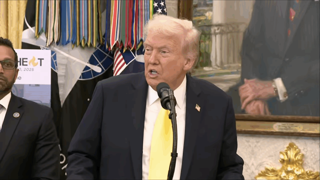
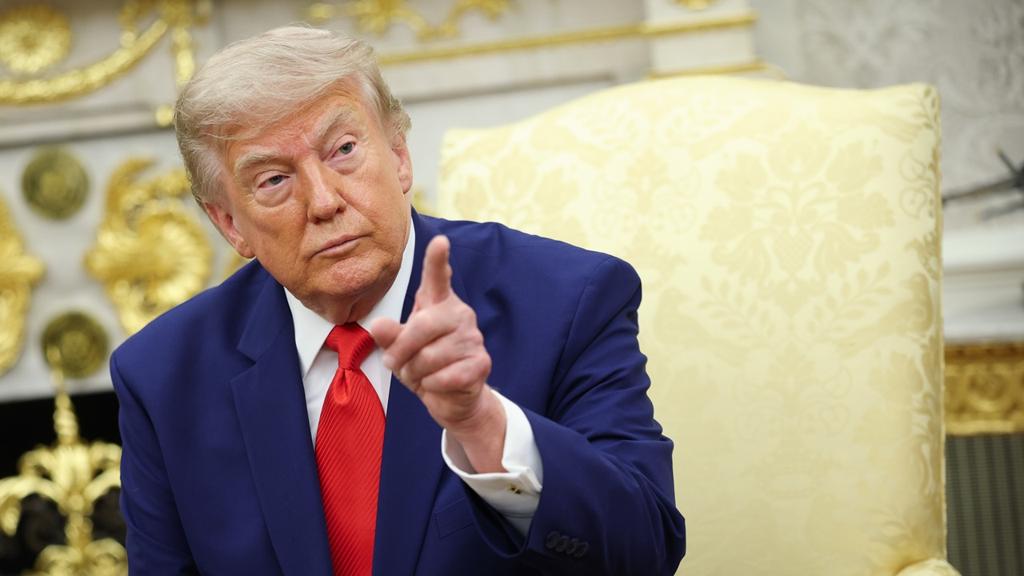
The administration credited President Donald Trump and senior adviser Stephen Miller for leading the effort to reinstate stricter eligibility standards. Other officials cited as supporting the move include Secretaries Marco Rubio, Robert F. Kennedy Jr., Brooke Rollins, Scott Turner, and Centers for Medicare & Medicaid Services Administrator Mehmet Oz.
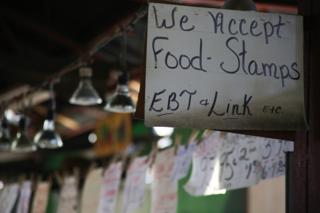
The White House also highlighted a series of steps intended to tighten enforcement. These include auditing Medicaid and food stamp rolls, removing people in the country illegally from public housing, and making such individuals ineligible for Head Start funds. The administration says these actions are designed to ensure that public benefits are reserved for those who are lawfully present and eligible under federal law.
"Every dollar siphoned off by someone who came here specifically to game the system is a dollar stolen from a disabled veteran, a struggling single mom, an elderly widow on a fixed income."
— The Daily Signal, editorial perspective
Data and Criticism of Prior Policy
Administration officials and supporters of the policy change cite census data analyzed by the Center for Immigration Studies. According to their analysis, half of all noncitizen-headed households use at least one welfare program, a rate they say exceeds that of native-born households. The administration has also pointed to specific immigrant groups, such as Somali immigrants in Minnesota, with reported welfare participation rates above 70%.
Supporters of rescinding the 2022 rule argue that the Biden administration's approach undermined longstanding principles by allowing broader access to welfare for noncitizens. They contend that restoring stricter eligibility is necessary to ensure that public benefits serve "truly needy Americans" and to prevent abuse of the system by those who may not be eligible under federal law.
Critics of the Biden-era regulation maintain that loosening eligibility requirements led to increased welfare use among noncitizen households, placing additional strain on the nation's safety net. They argue that the Trump administration's reversal is a necessary correction to protect resources for citizens and legal residents who meet the requirements for assistance.
State-Level Actions and Next Steps
The administration is urging states to take a more active role in enforcing federal eligibility rules for welfare programs. Recommendations include running all welfare applicants through the federal SAVE database to verify immigration status, reporting noncitizens on welfare rolls to federal authorities, sharing enrollment data for audits, and seeking reimbursement from immigrant sponsors for benefits paid out.
The White House has published statements outlining these steps and emphasizing the need for state cooperation to fully implement the policy changes. While the administration has called for immediate action, officials have not detailed how quickly states are expected to comply or what specific enforcement mechanisms may be used if states do not act promptly.
The Biden administration and supporters of the 2022 rule have not publicly responded to the Trump administration's reversal as of this week. It remains to be seen how states and advocacy groups will react to the new enforcement priorities and what impact the policy change will have on immigrant communities and the administration of public benefits.
The Trump administration's move represents a return to stricter standards for immigrant eligibility for public assistance, with the stated goal of ensuring that welfare resources are directed toward citizens and legal residents who are most in need. The coming months are likely to see further debate and potential legal challenges as the new policy is implemented at both the federal and state levels.