Catholic Bishop Michael Burbidge of Arlington has taken the unusual step of instructing every priest in his diocese to read a letter at Mass, urging Catholics to vote against two proposed amendments to the Virginia constitution on abortion and marriage. This move, which Burbidge described as unprecedented, comes as Virginians prepare to vote on the measures in the upcoming November 3 election.
Explainer Virginia's Legal Battles Over Gun Control, Abortion, and Redistricting Explained
The bishop’s directive underscores growing tensions over the ballot initiatives, which would expand abortion rights and redefine marriage in the state’s constitution. Religious leaders, including Burbidge, are mobilizing opposition, while supporters of the amendments argue that the changes are necessary to protect individual freedoms and ensure equal rights.
The amendments were approved by the Democrat-controlled General Assembly in two consecutive legislative sessions, a requirement for constitutional changes in Virginia. If passed by voters, the measures would expand access to abortion and remove the state’s 2006 definition of marriage as the union of one man and one woman. The new language would guarantee the right of two adults to marry, regardless of sex, gender, or race.
Bishop’s Letter and Public Appeal
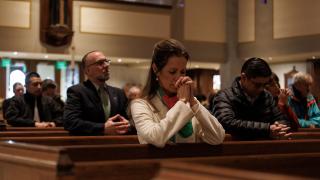
Burbidge’s letter was read aloud in 70 parishes serving more than 430,000 Catholics in Northern Virginia. In the letter, he described the proposed amendments as “two dangerous ballot initiatives.” He called on parishioners to pledge to vote at CatholicsVoteNo.com, to vote early starting September 18, and to encourage others to oppose the measures.
"We must vote no to those questions and say yes to truth."
— Bishop Michael Burbidge, Bishop of Arlington
During a Mass at St. Leo the Great Catholic Church in Fairfax, Burbidge specifically addressed Ballot Question 1, arguing that it would create a legal right to “unregulated abortions, performed by unlicensed abortion practitioners at any time during pregnancy.” He also warned that the amendment would extend abortion rights to minors and remove parental involvement in such decisions. On Ballot Question 2, Burbidge said it would undermine the “sanctity of marriage as Jesus taught” and claimed it would “enshrine gender ideology by falsely separating the reality of one’s sex and gender.”
Burbidge emphasized that the church’s position is not partisan, stating, “The church never advocates for or against specific candidates or parties.” He framed the issue as a matter of faith and civic responsibility, urging Catholics to fulfill their “sacred duty” as both citizens and faithful voters. He also announced a holy hour at the Cathedral of St. Thomas More, dedicated to prayer and reflection on the ballot measures.
Details of the Ballot Initiatives
Ballot Question 1, known as the “Virginia Right to Reproductive Freedom Amendment,” would amend the state constitution to protect decisions related to prenatal care, childbirth, postpartum care, birth control, abortion, miscarriage management, and fertility care. The amendment would also shield doctors, nurses, and patients from punishment for making these decisions. According to information provided on CatholicsVoteNo.com, the amendment would allow for restrictions on abortion during the third trimester only if the patient’s health is at risk or if the pregnancy cannot survive.
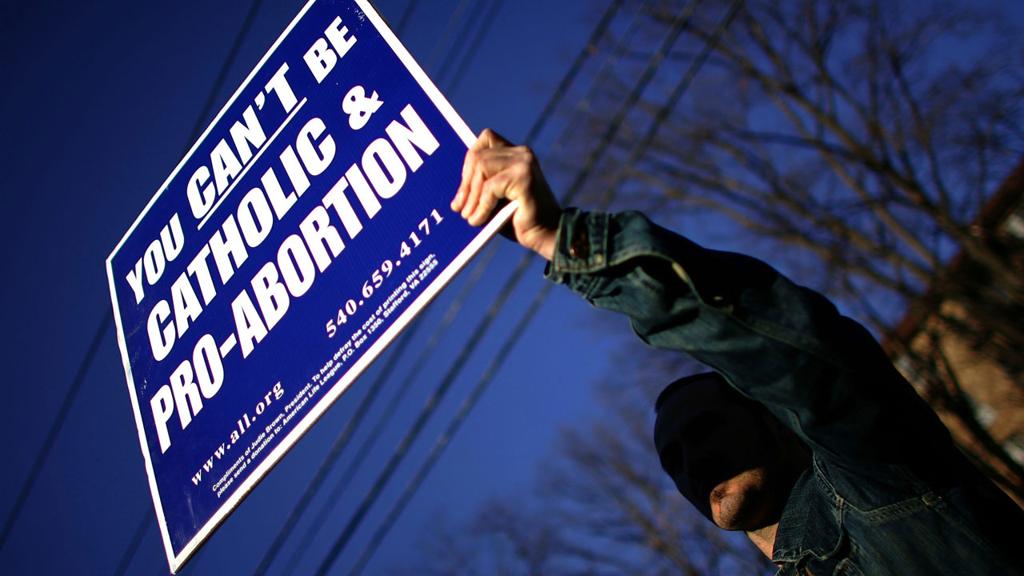
Opponents, including Burbidge and the Family Foundation of Virginia, argue that the amendment would permit abortions up to the point of birth, allow unlicensed providers to perform abortions, and remove parental rights in cases involving minors. Victoria Cobb, president of the Family Foundation and a leader in the 2006 campaign for the current marriage definition, has also warned that the marriage amendment could threaten religious liberty and privacy rights.
Ballot Question 2 would remove the constitutional definition of marriage as between one man and one woman. Instead, it would guarantee the right of two adults to marry, regardless of sex, gender, or race. In his letter, Burbidge claimed that this change would “enshrine gender ideology” in state law.
Supporters’ Arguments and Broader Context
Supporters of the amendments argue that they are necessary to protect abortion access and to preserve legal recognition of same-sex marriage in Virginia. They maintain that the measures would safeguard individual rights and ensure that healthcare decisions remain private. The amendments are set to appear on the ballot after meeting all state requirements for constitutional changes.
Burbidge’s campaign against the amendments began earlier this year, in partnership with Richmond Bishop Barry Knestout. Their efforts have included joint statements, podcast episodes, and outreach to parishes throughout the diocese. The Diocese of Arlington is also organizing prayer events and voter education initiatives to inform parishioners about the church’s position.
While critics of the amendments, including Burbidge and allied organizations, warn of expanded abortion access and significant changes to marriage law, supporters have largely focused their public statements on the need to protect individual rights and healthcare access. They have not directly addressed the church’s concerns about religious liberty or parental rights in their messaging.
Early voting for the proposed constitutional amendments begins on September 18, with Election Day scheduled for November 3. The outcome of the vote could have lasting implications for abortion rights and marriage laws in Virginia, as well as for the relationship between religious organizations and state policy.