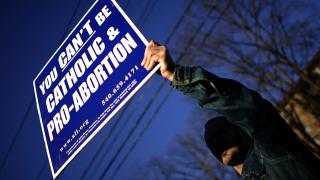
Virginia’s Catholic bishops are launching a coordinated campaign urging parishioners to vote against two proposed constitutional amendments on abortion and marriage that will appear on the state’s ballot this fall.
Explainer Virginia's Legal Battles Over Gun Control, Abortion, and Redistricting Explained
The effort highlights a high-stakes clash over the future of abortion access and marriage law in Virginia, as religious leaders mobilize against measures approved by the Democrat-controlled General Assembly.
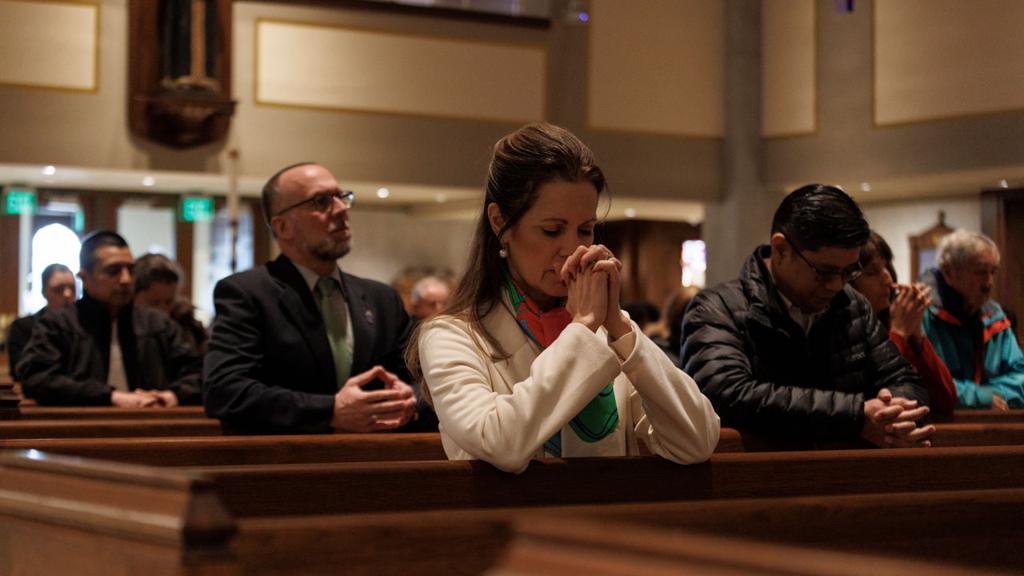
The Diocese of Arlington, led by Bishop Michael Burbidge, is organizing a "Catholics Vote No" campaign, which includes a directive for priests to read a message at Masses on September 12-13 and a holy hour at the Cathedral of St. Thomas More on September 15. The campaign follows a joint letter from Burbidge and Bishop Barry Knestout of Richmond urging Catholics to reject the amendments, which they described as "extreme, dangerous, radical, and horrific."
Details of the Ballot Measures
Ballot Question 1 would amend the Virginia Constitution to protect the freedom to make personal decisions about prenatal care, childbirth, postpartum care, birth control, abortion, miscarriage management, and fertility care, according to the Virginia Department of Elections. The amendment would also protect doctors, nurses, and patients from punishment related to these decisions, while allowing for restrictions on abortion during the third trimester except when the patient's health is at risk or the pregnancy cannot survive.
Ballot Question 2 would remove the state’s ban on same-sex marriage and affirm that two adults may marry regardless of sex, gender, or race, as detailed by the Department of Elections. The measure would require all legally valid marriages to be treated equally under the law. The current constitutional ban on same-sex marriage is unenforceable following the Obergefell v. Hodges decision, but remains in the text of the state constitution.
A third measure, Ballot Question 3, would restore voting rights to felons upon release from incarceration and update language regarding mental competency and voting, according to the official explanation. The bishops have expressed support for this amendment, calling it a matter of “prudential judgment upon which people of goodwill can disagree.”
Bishops’ Arguments and Actions
In their joint letter, Burbidge and Knestout argued that Ballot Question 1 would allow abortion until birth, eliminate parental consent requirements for minors, and shield anyone assisting in an abortion from legal consequences. They also said the amendment would remove protections for infants born alive after attempted abortions.
"God is the author of life. God is the author of marriage. We must protect these extraordinary gifts from our Creator."
— Bishop Michael Burbidge, Diocese of Arlington
On Ballot Question 2, the bishops stated that redefining marriage as "any lawful marriage between two adult persons" would undermine what they described as the unique and irreplaceable bond between a man and a woman. "God’s design for marriage – woven into the fabric of our being – was established before any nation, religion or law," they wrote.
Burbidge, speaking on his "Walk Humbly" podcast, emphasized parental rights, saying, "How can fathers and mothers teach and protect their children when the law strips them of their rights as parents to protect and care for the family."
Advocacy Groups and Opposition
Several advocacy groups are registered with the Virginia Department of Elections to campaign for or against the amendments. Virginians for Reproductive Freedom supports Question 1, while the Virginia Catholic Conference, Virginia Medical Professionals for Women’s Safety, Virginians for Safe Reproductive Policy, and VSHL 2026 Referendum Committee oppose it. Virginians for Marriage Equality supports Question 2, while the Family Foundation opposes it. On Question 3, Virginians for the Right to Vote is in favor.
Supporters of the abortion and marriage amendments argue that the measures would enshrine personal freedoms and equality in the state constitution. As of publication, groups supporting the amendments have not directly addressed the bishops’ criticisms in public statements.
Election Timeline and Broader Context
Early voting in Virginia begins September 18, with Election Day set for November 3. The proposed amendments reached the ballot after approval in two consecutive sessions of the General Assembly, as required by state law. An estimated 700,000 Catholics live in Virginia, and church leaders are urging them to participate in the vote.
The debate over these amendments comes amid ongoing national and state-level disputes over abortion access and the legal status of same-sex marriage, with Virginia’s ballot measures drawing attention from advocacy groups on both sides.