Declassified documents released by the White House have revealed that Andrii Telizhenko, a former Ukrainian diplomat who was expected to provide testimony about Hunter Biden’s business dealings, had his U.S. visa revoked by the State Department and Treasury Department in 2020. The move came as Telizhenko was preparing to appear before Senate committees investigating Hunter Biden’s connections to the Ukrainian energy firm Burisma Holdings.
Explainer Ukraine Conflict Dynamics: Military Struggles, Diplomacy, and Western Policy Impact
The records shed light on a dispute over whether Telizhenko’s exclusion from the United States was justified on security grounds or if it was politically motivated. At the time, Telizhenko was seen as a potentially key witness in Republican-led Senate investigations into the Biden family’s activities in Ukraine.
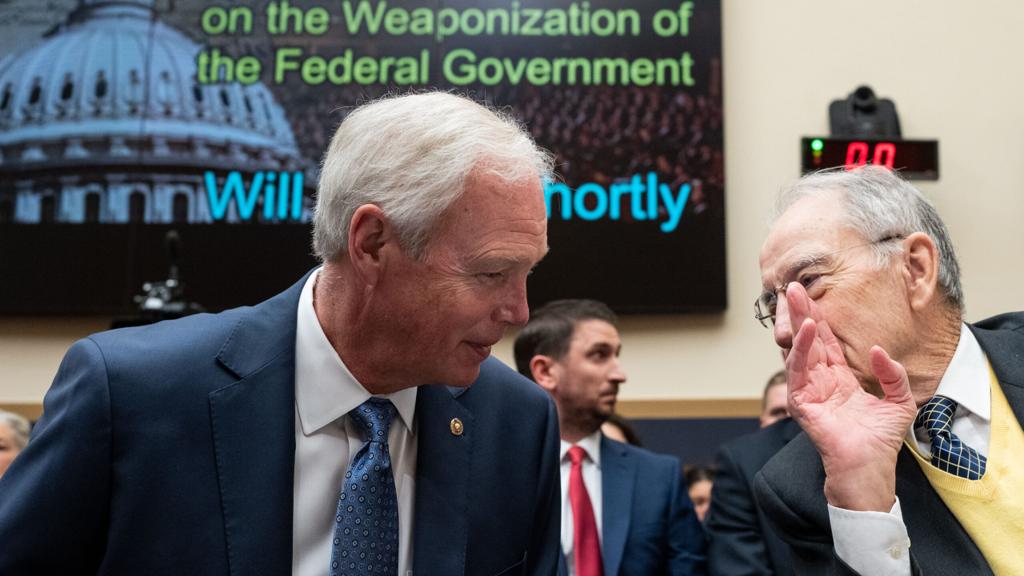
Telizhenko, who had previously served at the Ukrainian Embassy in Washington, was called by Republican Senators Chuck Grassley and Ron Johnson to testify in early 2020. This invitation followed the first impeachment of then-President Donald Trump, which centered in part on Trump’s July 2019 phone call with Ukrainian President Volodymyr Zelenskyy. During that call, Trump asked Zelenskyy to look into Joe Biden and his son Hunter’s involvement with Burisma, a company that had faced scrutiny for alleged corruption.
Visa Revocation and Agency Actions
According to the declassified documents, the State Department revoked Telizhenko’s visa in October 2020. The Department of the Treasury later imposed sanctions on him in January 2021, alleging that he was linked to Russian efforts to influence U.S. elections. However, an administration official stated that federal agencies were unable to establish evidence tying Telizhenko to Russian intelligence or election interference. A Trump administration official described the decision to revoke the visa as being based on “assumptions and newspaper articles” rather than concrete intelligence.
One administration official noted that the documents show Telizhenko was anti-Russian and had been banned from entering Russia due to his Ukrainian nationalist views. Despite this, the official said, some within the U.S. government sought to depict him as a Russian asset in order to protect the Bidens from scrutiny.
"The documents show that Telizhenko is anti-Russian and was banned from going to Russia because he was a Ukrainian nationalist. Yet, those seeking to protect the Bidens sought to depict him as a Russian stooge."
— Administration official
Democratic lawmakers argued that Telizhenko was spreading Russian disinformation, pointing to concerns that his testimony could be used to advance narratives favorable to Moscow. However, records indicate that Telizhenko had previously been friendly to the Obama administration and had opposed the pro-Russian Ukrainian President Viktor Yanukovych. The documents also suggest that career officials at the State Department made a “hurried effort” to prevent Telizhenko from entering the United States at a critical time for the Senate investigations.
Congressional Investigations and Political Fallout
Senator Ron Johnson, who was then chairman of the Senate Homeland Security and Governmental Affairs Committee, announced in a February letter his intention to subpoena Telizhenko for testimony. However, the interview did not take place after Democrats raised concerns about the potential for Russian disinformation to influence the proceedings.
The controversy unfolded against the backdrop of the first impeachment of President Trump. The Democrat-led House of Representatives had impeached Trump for abuse of power and obstruction of Congress in December 2019, largely over his dealings with Ukraine. The Senate, controlled by Republicans, acquitted Trump in February 2020.
The White House’s release of these declassified documents comes as scrutiny continues over Hunter Biden’s foreign business activities and the government’s handling of related investigations. Supporters of the Biden family have not publicly addressed the new disclosures regarding Telizhenko’s visa revocation.
Claims of Russian Ties Disputed
Federal officials were ultimately unable to find evidence that Telizhenko was connected to Russian intelligence operations. The administration official emphasized that Telizhenko was considered anti-Russian and had been banned from entering Russia because of his nationalist stance. Despite this, officials seeking to protect the Bidens portrayed him as a Russian asset, according to the official.
Critics of Telizhenko, including Democratic lawmakers, maintained that his testimony would have amplified Russian disinformation efforts, regardless of his personal views or background. The records continue to fuel partisan debate over the legitimacy of the investigations into Hunter Biden and the actions taken by U.S. agencies during the period following Trump’s first impeachment.
The episode highlights the complex intersection of U.S. domestic politics, foreign policy, and intelligence assessments during a period of heightened scrutiny of both the Trump and Biden families. The dispute over Telizhenko’s visa revocation remains a point of contention as lawmakers and officials debate the appropriate balance between national security concerns and the integrity of congressional investigations.