Newly released transcripts from the House Permanent Select Committee on Intelligence provide additional insights into the 2019 impeachment inquiry against former President Donald Trump, suggesting potential collusion among intelligence officials and political figures. The documents, which include testimonies from former Inspector General of the Intelligence Community Michael Atkinson, raise questions about the credibility of the whistleblower complaint that initiated the impeachment process.
The core tension revolves around allegations that the impeachment was driven by political motives rather than legitimate concerns about presidential misconduct. Critics argue that the complaint was based on hearsay and lacked direct evidence, while supporters of the impeachment maintain that it was a necessary response to Trump's actions.
In September and October 2019, Atkinson testified that his office bypassed standard credibility assessments in favor of the whistleblower's claims, which he deemed credible despite not reviewing the actual call between Trump and Ukrainian President Volodymyr Zelensky. "I decided that access to records of the telephone call was not necessary to make my determination that the complaint relating to the urgent concern 'appears credible,'" Atkinson stated.
Whistleblower's Background
The whistleblower's complaint, submitted in August 2019, alleged that Trump had engaged in corrupt practices during a phone call with Zelensky, specifically accusing him of pressuring Ukraine to investigate political rival Joe Biden. However, the complaint relied heavily on second-hand information, including media reports and social media posts, rather than direct evidence. Federalist CEO Sean Davis criticized the complaint, noting it followed a template similar to the discredited Steele dossier used during the 2016 election.
Atkinson's testimony also indicated that the Intelligence Community Inspector General's office had modified its procedures to allow complaints from individuals without firsthand knowledge of the alleged wrongdoing. This change, made between May 2018 and August 2019, has been cited as a factor that enabled the whistleblower to escalate the investigation despite lacking direct evidence.
Political Implications
The release of these transcripts has reignited debates over the motivations behind the impeachment inquiry. Margot Cleveland, a senior legal correspondent for The Federalist, highlighted that the transcripts reveal ongoing politicization within the FBI during Trump's presidency. "The transcripts released Monday also highlight the politicization of the FBI that continued under Trump 1.0 after Director James Comey’s firing," she noted.
Furthermore, the transcripts suggest that the whistleblower had connections to Democratic politicians, including Rep. Adam Schiff, who has been a vocal critic of Trump. Reports indicated that the whistleblower, identified as Eric Ciaramella, had previously worked in the Obama administration and had interactions with individuals linked to the Democratic National Committee.
Response from Officials
Despite the serious allegations raised in the transcripts, many officials involved in the impeachment process have not publicly addressed the criticisms. Supporters of the impeachment argue that the inquiry was justified based on the evidence available at the time, emphasizing the importance of holding the president accountable for any potential abuse of power.
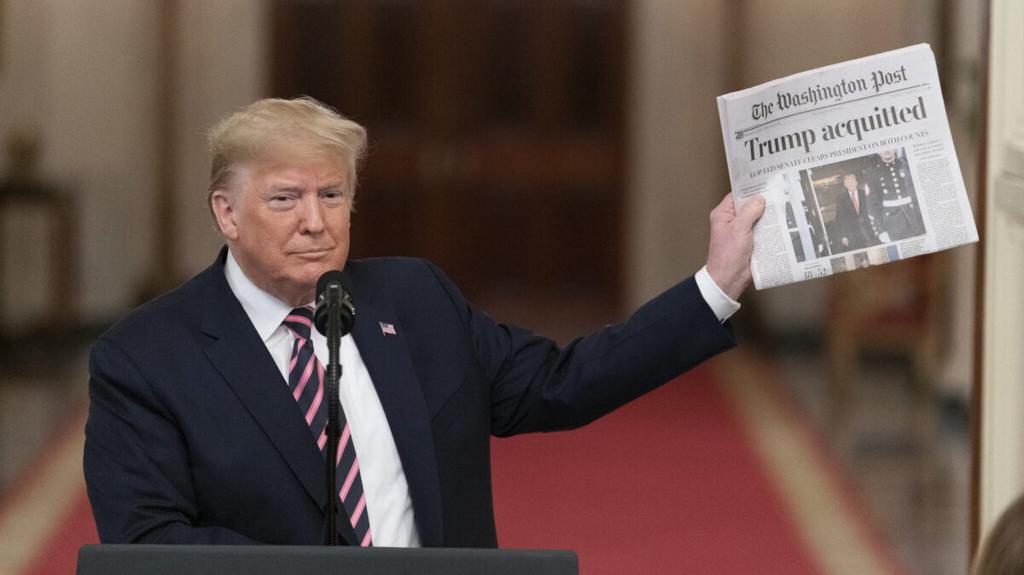
The 2019 impeachment inquiry ultimately led to Trump's impeachment by the House of Representatives on charges of abuse of power and obstruction of Congress, although he was acquitted by the Senate. The release of these new transcripts adds another layer to the ongoing debate over the legitimacy of the impeachment process and the role of political motivations in such inquiries.
As the political landscape continues to evolve, the implications of these findings may influence future discussions about accountability and transparency in government actions.