Ukraine Conflict Dynamics: Military Struggles, Diplomacy, and Western Policy Impact
Explore the evolving Ukraine conflict, focusing on military tactics, diplomatic challenges, and the crucial role of U.S. policy decisions impacting the war's trajectory.
Additional reporting by Liam Walker, Theo Ramirez
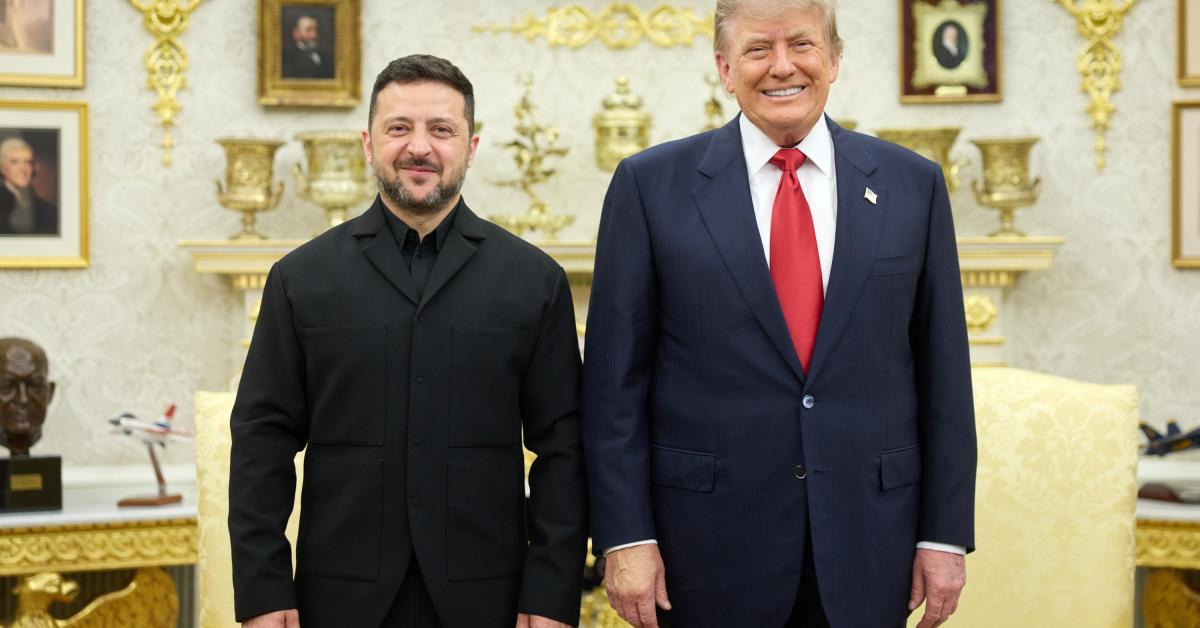
The conflict between Ukraine and Russia remains one of the defining geopolitical struggles of the 21st century. Beyond the immediate battlefield losses and gains, the war has become a complex interplay of military innovation, economic warfare, and diplomatic brinkmanship. As Ukrainian forces intensify strikes on Russian economic infrastructure, Russia responds with devastating attacks on Ukraine's civilian energy systems, creating a high-stakes contest that intertwines military strategy and humanitarian concern.
At the core of this struggle lies an ongoing debate about Western involvement, particularly regarding the United States’ administration choices that have recently diverged from previous policies of robust support. Behind these shifts are questions about sanctions, satellite access, and diplomatic initiatives that directly influence Ukraine’s capacity to sustain its defense and negotiate its future. This explainer will dissect the multifaceted military developments, the diplomatic landscape, and the impact of U.S. policy decisions to understand the full scope of the Ukraine conflict.
Strategic Military Offensives Against Russian Infrastructure
"Western policy missteps risk undermining Ukraine’s resilience, threatening the defense of democratic sovereignty against authoritarian aggression."
Ukrainian forces have sharpened their focus on destabilizing Russia’s economic and technological capabilities. Through coordinated drone attacks, they targeted Russian data centers—a move intended to cripple Russian command and control networks and undermine intelligence gathering. Such cyber-physical strikes highlight a modern warfare evolution where digital assets bear as much strategic value as physical territories.
Beyond data infrastructure, Ukraine's military escalated attacks on oil refineries, aiming to impose lasting damage on Russia’s energy supply chain. Since Russia’s economy heavily depends on energy exports to finance its military operations, these strikes directly threaten the Kremlin’s war-sustaining capabilities. The ability to disrupt backend logistics and resources reflects a shift toward attacking economic vulnerabilities rather than just front-line positions.
This campaign, while tactical, also has psychological effects, signaling Ukraine’s resolve to challenge Russia’s core war machinery despite the challenges of confronting a much larger conventional military force.
Russian Retaliation Targeting Ukrainian Energy and Civilian Infrastructure
In retaliation, Russia intensified its missile and drone strikes focused heavily on Ukraine’s energy infrastructure. Over 10 critical energy facilities suffered strikes, leading to widespread blackouts that affected hundreds of thousands of civilians. This campaign is designed to weaken Ukraine’s civilian morale and undermine governmental structures by targeting basic utilities essential for everyday life during winter months.
These blackouts are more than inconvenience—they are strategic pressure points that can erode public support for the Ukrainian government and complicate military logistics and communications. The targeting of non-military infrastructure raises the question of proportionality and the protection of civilians in conflict zones, which critics argue has been overlooked by Russia in this conflict's conduct.
While Russia frames these attacks as legitimate responses to Ukrainian military operations, many observers warn that the effect exacerbates a humanitarian crisis, potentially fueling anti-Western sentiment if Western powers are seen as unable to protect Ukraine effectively.
The Impact of U.S. Policy Shifts on the Ukraine Conflict
The United States’ role in the Ukraine conflict has evolved dramatically. A recent and controversial shift came with the Trump administration’s decision to waive sanctions on Russian energy exports, a move that bipartisan senators have criticized as a legal and strategic misstep. Such waivers undermine efforts to economically isolate Russia and send mixed signals to Kyiv and Western allies about America’s commitment to Ukraine’s defense.
Furthermore, restrictions on Ukraine’s access to satellite services created operational challenges for the Ukrainian military, impacting critical intelligence and communication capabilities. After sustained criticism, Ukraine was able to regain some satellite access, but the incident spotlighted the fragile nature of U.S. support and how internal policy decisions can inadvertently weaken Ukraine's defensive posture.
President Volodymyr Zelensky has vocally urged for stronger American sanctions following these policy adjustments. His appeals emphasize the growing gap between Ukraine’s needs on the ground and Western political considerations, including fears of escalating confrontation with nuclear-armed Russia versus the imperative to support a sovereign democracy under attack.
For context, this complex policy environment also includes ongoing diplomatic offers, such as the controversial Trump-Xi summit proposal excluding Ukraine’s leadership, which raises concerns about sidelining Ukraine in broader peace talks. This diplomatic sidelining may compromise Ukraine’s ability to dictate the terms of its own sovereignty and territorial integrity, a critical issue underscored in our coverage on the proposed Trump-Xi summit.
Diplomatic Efforts and the Challenge of Negotiating Peace
Diplomatic talks between Ukraine and Russia have persisted despite significant military escalation and mutual distrust. However, progress remains elusive as core issues such as territorial claims, security guarantees, and war reparations remain irreconcilable under current geopolitical dynamics. The conflict's prolongation has made diplomatic processes a battlefield of political symbolism and strategic posturing rather than genuine negotiation.
Ukraine’s insistence on retaining sovereignty over its territories contrasts with Russia’s demands for concessions, making any compromise contentious domestically in both nations. The international community’s role, especially that of Western powers, is pivotal but complicated by policy shifts, such as the recent U.S. restriction waivers and the debate over sanction enforcement highlighted by bipartisan lawmakers urging a halt to a Russian diesel deal, which they argue violates existing sanctions law (bipartisan senators urge Trump).
Despite diplomatic struggles, Ukraine continues to pursue peace while simultaneously enhancing its military readiness and investing in advanced technologies—a dual approach recognizing that battlefield success is a prerequisite for meaningful negotiations.
Media Coverage and Public Perception Within the West
The media’s role in framing the Ukraine conflict has drawn criticism, particularly concerning the complexity of the war and the Western public’s understanding. Coverage often oscillates between portraying Ukraine as a heroic defender of democracy and underreporting the intricate failures and policy contradictions within Western governments. This selective narrative risks oversimplifying the conflict and obscuring the full geopolitical stakes.
Our outlet’s reporting has consistently aimed to bring clarity to these issues, including critiques of media bias and the uneven representation of the conflict’s realities, as outlined in our coverage on media criticism of the Ukraine conflict. A well-informed electorate is essential to sustaining coherent U.S. policies that genuinely support Ukraine while balancing broader national interests.
Public opinion in the U.S. and Europe shapes policymakers’ ability to provide or withdraw aid, enforce sanctions, and engage diplomatically — all aspects that influence the war’s outcome.
The Broader Implications of the Ukraine Conflict for U.S. Foreign Policy
The war in Ukraine challenges the United States to reconcile realpolitik with values-based foreign policy. Decisions about sanctions, military aid, and diplomacy reflect not only a contest with Russia but the global order’s future direction. Policies permitting Russian energy imports or limiting Ukraine’s satellite access risk undermining NATO unity and U.S. credibility in defending democracies against authoritarian aggression.
Moreover, the information war around Ukraine, including questionable intelligence assessments and politicized narratives—such as FBI labeling of Ukraine-related allegations—highlight the domestic challenges in forming consistent policies. This complexity was evident in controversies exposed by declassified documents showing how evidence was handled during the impeachment inquiries (declassified memos undercut testimony) and investigations into allegations involving U.S. officials (FBI labeled allegations).
Navigating these challenges requires principled, clear-eyed policy decisions that prioritize national interests while supporting allies like Ukraine.
US leadership will remain critical in shaping the conflict's trajectory, ensuring Russia faces consequences that deter future aggression without provoking unnecessary escalation.
Technological and Strategic Innovations in Ukraine’s Defense
Ukraine has increasingly relied on cutting-edge technologies, including drone warfare and cyber operations, to level the battlefield against a numerically superior adversary. The use of drones to strike economic and infrastructure targets inside Russia exemplifies a shift toward asymmetric warfare that exploits enemy vulnerabilities. These innovations have also attracted Western interest, driving aid packages that include satellites and electronic warfare systems.
This technological edge is not without risks, as dependency on Western satellite services creates new vulnerabilities—as seen when Ukraine briefly lost access due to policy restrictions. Maintaining uninterrupted technological support remains critical, and the West’s willingness to provide this assistance will increasingly influence Ukraine’s ability to resist Russian aggression.
Ukraine’s military adaptations underscore a broader strategic lesson: modern warfare demands integration of multiple domains — cyber, economic, and kinetic — all leveraged to sap the enemy’s capacity to wage sustained conflict.
Conclusion: A Conflict Defining Global Order and Western Resolve
The Ukraine conflict is far more than a regional war; it is a test of Western resolve, the integrity of international law, and the ability of nations to defend sovereignty in an era of shifting alliances and emerging technologies. The ongoing military engagements, diplomatic deadlocks, and internal policy debates inside the U.S. and Europe complicate efforts to shape a favorable outcome.
As Ukrainians fight to preserve their homeland, Western policymakers must ensure their decisions reinforce, not undermine, that struggle. This involves reaffirming economic sanctions, maintaining access to strategic military tools, and insisting on diplomatic processes that include Ukrainian leadership at every level. Failure to do so risks emboldening authoritarianism and destabilizing the international system the United States has historically championed.
For more insights on the intricate U.S. role and the shifting strategies in this conflict, see our pieces on Zelenskyy’s calls for sanctions and debates over peace proposals. These discussions will undoubtedly shape the course of the Ukraine conflict and, by extension, the future of global security.
Frequently asked questions
Why is Ukraine targeting Russian economic infrastructure?
Ukraine aims to disrupt Russia’s ability to finance and sustain its military operations, making strikes on oil refineries and data centers critical to weakening Russian war capacity.
How has Russia responded to Ukraine’s military actions?
Russia has launched extensive missile and drone strikes against Ukrainian energy infrastructure, causing civilian blackouts to pressure Ukraine politically and economically.
What role does the United States play in this conflict?
The U.S. provides military and financial support to Ukraine but recent policy changes, including sanctions waivers and satellite restrictions, have complicated its role and strained relations.
Are there ongoing diplomatic efforts to end the conflict?
Yes, talks continue but remain stalled due to fundamental disagreements over territory, security guarantees, and political conditions.
Why is satellite access important to Ukraine’s military?
Satellites provide essential communication, navigation, and intelligence capabilities that enable Ukraine’s coordinated defense operations.
What criticisms exist regarding U.S. policy shifts on Ukraine?
Critics argue that easing sanctions on Russian energy exports and limiting military aid undermine Ukraine’s defense and embolden Russian aggression.
How does media coverage impact public perception of the war?
Media framing affects Western public support for Ukraine, with oversimplification risking misunderstanding of the conflict’s complexities and influencing policy decisions.
What are the broader implications of the Ukraine conflict for global security?
The conflict tests the global order’s commitment to sovereignty and democracy, with potential repercussions for alliances and the handling of future authoritarian challenges.
Timeline of our coverage
- 2026-10-19 — Putin Proposes Trump-Xi Summit on Ukraine, Excludes Zelensky
- 2026-10-17 — Zelenskyy Urges Stronger U.S. Sanctions After Trump Suspends Russia Restrictions
- 2026-10-16 — Declassified Memos Undercut Key Testimony in Trump Impeachment Inquiry
- 2026-10-12 — Bipartisan Senators Urge Trump to Halt Russian Diesel Deal, Cite Legal Ban
- 2026-09-16 — FBI Director Confirms 'Round River' Classification Was Fabricated Amid Biden Probe Concerns
- 2026-08-12 — FBI Labeled Biden-Ukraine Allegations as Russian Disinformation Without Investigation, Documents Show
- 2026-07-12 — Lawmakers, World Leaders React to Death of Sen. Lindsey Graham
- 2026-04-13 — New Transcripts Shed Light on 2019 Trump Impeachment Process
- 2026-04-13 — Transcripts Reveal Details of 2019 Impeachment Inquiry Against Trump
- 2025-11-25 — Debate Erupts Over Trump's Proposed Ukraine Peace Plan
- 2025-10-07 — Declassified Records Reveal Biden Suppressed Ukrainian Concerns About Family Business Dealings
- 2025-09-17 — New Documents Suggest Biden Intervened in Burisma Investigation
- 2025-09-09 — Raddatz Suggests Trump Could Tamper With Epstein Evidence
- 2025-08-19 — Trump's Peace Efforts Highlighted Amid Theological Reflection
- 2025-08-19 — Media Coverage of Ukraine Conflict Criticized Amid Ongoing War
- 2025-08-18 — Trump and Putin Meet in Alaska Amid Ongoing Ukraine Conflict
- 2025-08-18 — Comey Speaks In Taylor Swift Lyrics In Anti-Trump Screed
The Bottom Line
- The Ukraine conflict tests the limits of Western diplomatic and military support for democracy.
- U.S. policy decisions on sanctions and aid directly affect the conflict's trajectory and global stability.
- Failure to counter Russia’s aggression may embolden other authoritarian regimes worldwide.
- Understanding the military and diplomatic complexity is essential to forming effective and sustainable foreign policy.
Sources
- Congress.gov
- Thedailybeast.com: Vladimir Putins Hometown St Petersburg Goes Up In Flames In Defiant Overnight Ukraine Attack
- Axios.com: Trump Russia Diesel Deal Rubio Wright Sanctions (Oct 18, 2026)
- Axios.com: Zelensky Witkoff Kushner Ukraine Russia Crisis (Oct 18, 2026)
- Apnews.com: B041f78e5d037a0f3377b7108eac1dc7
- Theatlantic.com: 689067
- Theatlantic.com: 689066
- Cfr.org: How Much Us Aid Going Ukraine
- Cfr.org: Conflict Ukraine