A proposed peace plan from the Trump administration regarding the Russo-Ukrainian War has sparked significant debate, with critics likening it to the appeasement policies of British Prime Minister Neville Chamberlain before World War II. The plan reportedly includes capping Ukraine's military at 600,000 troops and granting Russia control over eastern provinces of Donetsk and Luhansk, which are largely under Russian control already.
What Trump's Ukraine peace plan would do
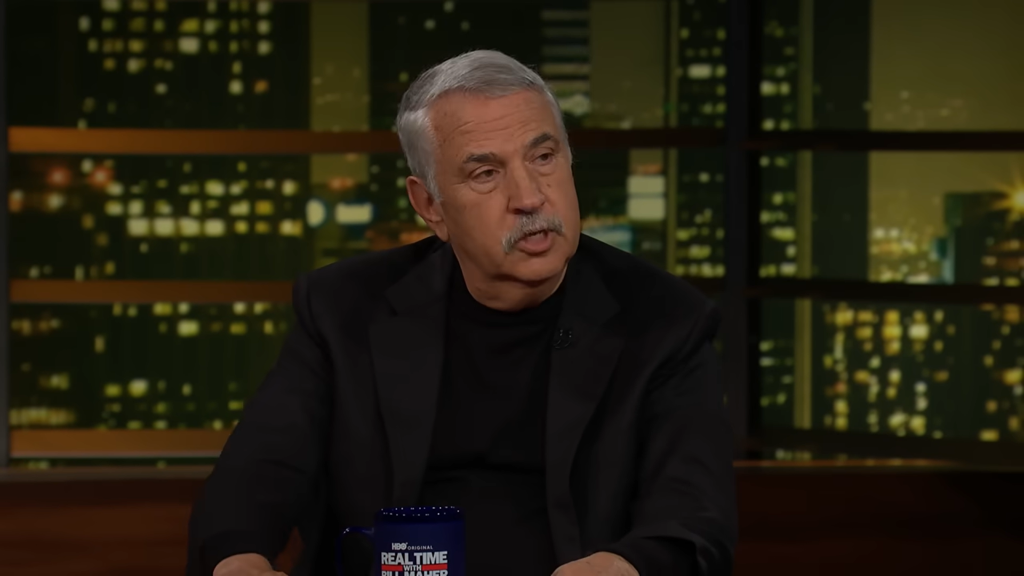
New York Times columnist Thomas Friedman criticized the proposal, stating, "If you force [the peace plan] upon Ukraine as it is, every one of your names will live in infamy alongside that of Chamberlain." Friedman argues that the plan rewards Russian President Vladimir Putin for his invasion and could lead to further aggression in Europe.
The White House announced on Sunday that discussions with Ukrainian officials had resulted in an "updated and refined peace framework," although specific details were not disclosed. Proponents of the plan argue that it reflects the current realities of the war and could lead to a sustainable resolution.
Why critics compare it to appeasement
Critics maintain that any concessions to Russia could embolden its ambitions in the region. Friedman warned that the U.S. would be sending a message to its allies that it would not support them against Russian aggression if it accepted a deal that locks in territorial gains for Moscow.
They argue that granting Russia control over parts of Donetsk and Luhansk echoes historical examples where territorial concessions failed to prevent future conflicts and instead signaled weakness.
Supporters say it reflects battlefield realities
Supporters contend that the terms of the plan are reasonable, suggesting that they could help de-escalate the conflict and spare further casualties. They note that Russia's military has suffered significant losses, with over a million casualties and substantial financial costs, making future aggression less likely.
Backers of the proposal also argue that Ukraine's long-term security may ultimately depend on a negotiated settlement, not an open-ended conflict that strains Western resources and political will.
What the debate reveals about U.S. foreign policy
The debate over the peace plan highlights a broader divide in U.S. foreign policy perspectives. Some view the proposal as a pragmatic approach to ending a prolonged conflict, while others see it as a dangerous precedent that could undermine European security.
Key Facts:
- The proposed peace plan includes capping Ukraine's military at 600,000 troops.
- The plan would grant Russia control over eastern provinces of Donetsk and Luhansk.
- The White House has described the discussions with Ukraine as yielding an "updated and refined peace framework."