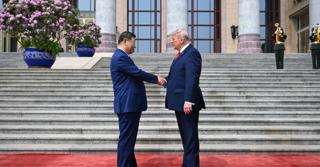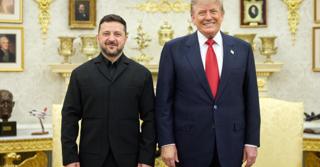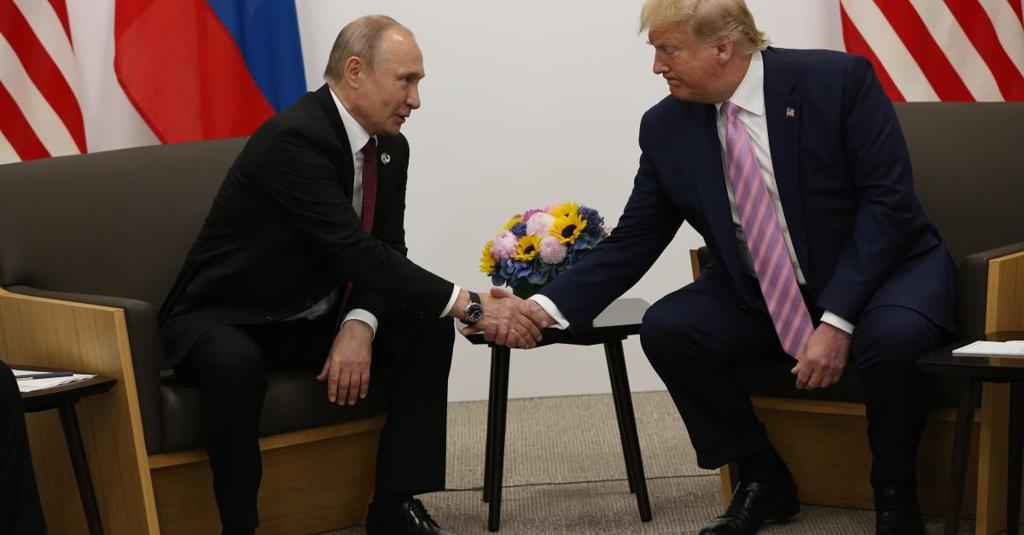
Russian President Vladimir Putin has proposed a summit involving former U.S. President Donald Trump and Chinese leader Xi Jinping to negotiate an end to the ongoing conflict in Ukraine, while notably excluding Ukrainian President Volodymyr Zelensky from the talks. This proposal, first reported by The Wall Street Journal and citing a Russian intelligence officer, was later confirmed by the Kremlin, highlighting a significant diplomatic maneuver by Moscow.
Explainer Ukraine Conflict Dynamics: Military Struggles, Diplomacy, and Western Policy Impact
The suggestion of a three-way summit underscores Putin’s efforts to strengthen ties with both Trump and China, a move that has raised concerns among Ukraine’s allies in Washington and across Europe. Many fear that such a negotiation, conducted without Ukraine’s direct participation, could undermine the country’s sovereignty and shift the balance of any potential peace settlement in Russia’s favor.
According to The Wall Street Journal, Putin floated the idea of the summit during a phone call with Trump on October 9. The same conversation reportedly included discussions about lifting certain sanctions, specifically to allow increased Russian diesel exports. Kremlin spokesman Dmitry Peskov confirmed that talks about a possible summit are ongoing, though he emphasized that no agenda has been set and that discussions remain in the early stages.
"The meeting reflects an attempt by Putin to hone the warming relations he's had with Trump, and it raises concern with Ukrainian allies in Washington and Europe."
— Just the News reporting
Exclusion of Ukraine Draws Criticism
The proposal to exclude Zelensky from the summit has drawn sharp criticism from Ukrainian supporters and international observers. Many argue that leaving Ukraine out of negotiations about its own future undermines the principle of national sovereignty and sets a troubling precedent for international conflict resolution. The Wall Street Journal noted that the summit, as envisioned by Putin, would likely advance Russian interests, further fueling concerns among Ukraine’s Western backers.
Ukraine’s allies in the United States and Europe have voiced apprehension that any agreement reached without Kyiv’s direct involvement could compromise Ukraine’s position and potentially force it to accept unfavorable terms. The exclusion has become a contentious issue in diplomatic circles, with some officials warning that bypassing Ukraine could embolden similar strategies in future conflicts.
Kremlin’s Diplomatic Strategy
Putin’s outreach to Trump and Xi comes as Moscow continues efforts to reshape global alliances and seek leverage in the Ukraine conflict. The Kremlin’s willingness to engage with the leaders of the United States and China, while sidelining Ukraine, has prompted questions about Russia’s ultimate intentions and the possible contours of any negotiated settlement.
Kremlin spokesman Peskov has not provided specifics regarding the timing, location, or format of the proposed summit. He reiterated that discussions are preliminary and that no formal invitations have been issued. The Wall Street Journal reported that the idea remains under consideration, with no concrete plans established at this stage.
International Response and Uncertainty
There has been no official response from Trump, Xi, or Zelensky regarding the proposed summit. The White House and the Chinese government have also not released statements indicating their willingness to participate. The Kremlin has not addressed whether other parties might eventually be invited or if the format could evolve as talks progress.
Supporters of the summit argue that direct engagement between major global powers could accelerate efforts to resolve the conflict in Ukraine. They contend that involving influential leaders like Trump and Xi might break the current diplomatic deadlock. However, critics maintain that any negotiation that excludes Ukraine risks sidelining the country’s interests and could result in a settlement that does not reflect the realities on the ground.
The debate over Ukraine’s exclusion from the talks continues to be a point of contention among international diplomats and policymakers. Some warn that setting a precedent for resolving conflicts without the direct participation of the affected nation could have far-reaching implications for global diplomacy.
As of now, the proposed summit remains in the discussion phase, with no clear timeline or agenda. The situation continues to evolve as stakeholders weigh the potential benefits and risks of such high-level negotiations without Ukraine at the table.