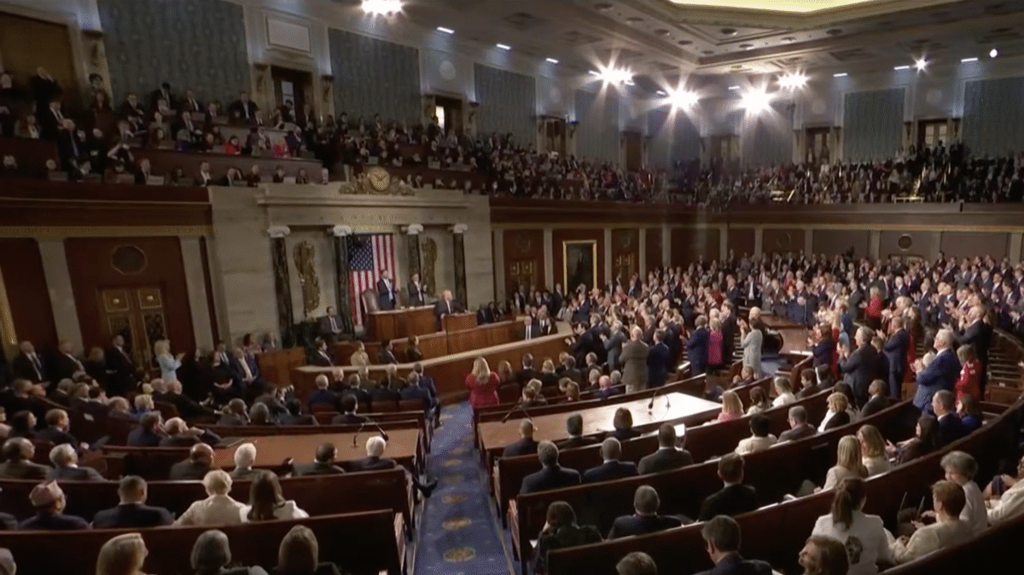
President Donald Trump’s recent State of the Union address has sparked significant discussions among Republican leaders about how to effectively capitalize on the momentum generated by this event as they head into the midterm elections. The address, notable for its considerable length, is viewed by many within the party as a pivotal moment for the GOP as they prepare for what is expected to be a challenging electoral landscape in the upcoming months.
The core tension lies in whether Trump’s rallying call will translate into actionable strategies that can secure Republican victories in the November elections. Critics, including various political analysts, have raised concerns that the president's address may not provide the necessary clarity or direction that vulnerable House and Senate Republicans need to navigate their political futures successfully.
In the lead-up to the address, media speculation suggested that Trump needed to deliver a strong performance to energize the party and rally support among its members. Political analyst Jake Sherman remarked, "If you’re a House or Senate Republican facing the stiff political winds heading into a difficult midterm election, perhaps you wanted some details on what President Donald Trump intends to do for the next eight months. Your political survival depends on it. That didn’t happen." This sentiment underscores the anxiety among party members regarding the effectiveness of the address in providing a clear path forward.
Key Themes from the Address
During the two-hour speech, Trump emphasized several key themes that resonate strongly with his base, including immigration and law enforcement. He stated, "The first duty of the American government is to protect American citizens, not illegal aliens," a remark that drew enthusiastic applause from Republican lawmakers while leaving many Democrats seated in silence. This moment is expected to be leveraged in campaign ads to portray Democrats as out of touch with mainstream American values, which could be a significant factor in the upcoming elections.
Trump also highlighted pressing issues such as rising crime rates, inflation, and border security, which he argues should be prioritized by Congress. The president's call for action on these topics is seen as a way for Republicans to unify their messaging and present a clear alternative to Democratic policies, potentially appealing to undecided voters who are concerned about these issues.
Legislative Strategies Moving Forward
Republican leaders are actively considering several legislative strategies to bolster their chances in the upcoming elections. One notable proposal includes advancing the SAVE America Act, which aims to enhance election integrity through measures such as implementing voter ID laws. However, critics argue that the GOP's reluctance to push this legislation could undermine their credibility on election-related issues, which are increasingly important to voters.
Additionally, Trump urged Congress to act on popular legislation, including banning insider trading among federal legislators and addressing violent crime. These proposals are intended to demonstrate the Republican commitment to governance and responsiveness to voter concerns. However, some analysts caution that without tangible legislative achievements, the GOP may struggle to maintain momentum and effectively translate their rhetoric into real results.
Media Relations and Public Perception
In the wake of the address, there are growing calls within the GOP to reassess their relationship with the media. Some party members advocate for a more aggressive stance against what they perceive as biased coverage from mainstream outlets. The suggestion is to limit interactions with these media sources, which they argue misrepresent Republican positions and narratives.
This strategy reflects a broader trend among some Republicans who view the media as adversaries rather than partners in communication. Critics of this approach warn that it could further alienate moderate voters who rely on traditional media for information and may not respond favorably to a party that appears to shun established news outlets.
Conclusion
As Republicans look to harness the momentum from Trump’s State of the Union address, the effectiveness of their strategies will depend on their ability to unify around key issues and demonstrate legislative accomplishments. While some party members express optimism about the potential for electoral gains, the challenges ahead remain significant and complex.
Supporters of the president's approach argue that the energy generated from the address could invigorate the party and its base, but without a clear plan and actionable steps, the GOP risks falling short of its electoral goals. The coming months will be critical as Republicans navigate the complexities of midterm campaigning and the evolving sentiments of voters across the country.