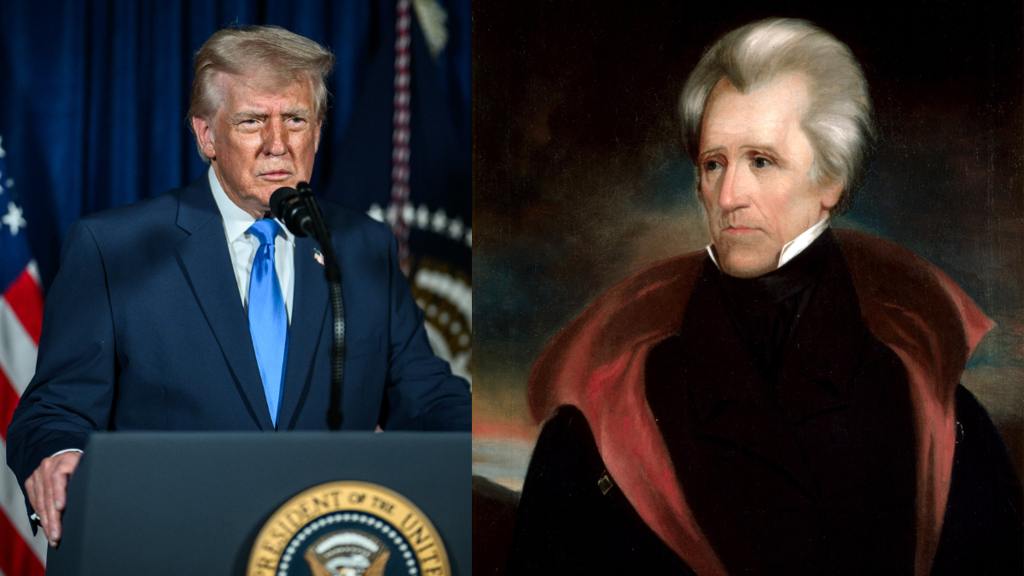
President Donald Trump has been encouraged to adopt the decisive leadership style of Andrew Jackson in response to ongoing unrest in Minnesota. This call comes amid claims of insurrection in the state, where local leaders have openly resisted federal law enforcement efforts, particularly in the realm of immigration enforcement.
Explainer Understanding Immigration Enforcement: Policies and Controversies
Trump Urged to Follow Jackson's Example Amid Minnesota Unrest
The situation in Minnesota highlights a growing tension between state and federal authority. Critics argue that local officials are undermining federal law, while supporters of the state’s actions contend they are protecting their communities from perceived overreach by the federal government. This conflict raises significant questions about the balance of power between state and federal governments.
Background and Reactions
In recent weeks, Minneapolis has seen significant unrest, with protests escalating to confrontations between demonstrators and federal agents. Supporters of the protests claim they are resisting what they describe as “state violence.” Minneapolis Mayor Jacob Frey has publicly stated, "We do not want you here," referring to U.S. Immigration and Customs Enforcement (ICE) agents, and has indicated a reluctance to enforce federal immigration laws. This stance reflects a broader sentiment among some local leaders who believe that federal immigration policies can be harmful to their communities.
Minnesota Governor Tim Walz has also taken a strong stance against federal enforcement actions, mobilizing the state National Guard to protect residents from what he calls “rogue” ICE agents. This response has drawn criticism from some quarters, who argue that it undermines federal authority and the rule of law. The governor's actions illustrate the complexities of local governance in the face of federal directives, especially regarding contentious issues like immigration.
Historically, President Jackson faced a similar challenge during the Nullification Crisis of the 1830s when South Carolina attempted to nullify federal tariff laws. Jackson, while supportive of states’ rights, firmly rejected the notion that a state could unilaterally disregard federal law. He famously stated that disunion by armed force is treason, emphasizing the need for federal authority to be upheld in the face of state defiance.
The parallels drawn between Jackson's era and the current situation in Minnesota have prompted some commentators to suggest that Trump should take a similarly firm approach. They argue that a decisive response is necessary to prevent what they view as an escalating insurrection. One commentator noted, "The immediate threat of overwhelming federal force is the only way to end this crisis without a stinging defeat for the president and the country as a whole."
Supporters of the current Minnesota leadership argue that their actions are necessary to protect the rights and safety of residents. They contend that local governments should have the discretion to prioritize community safety over federal mandates. However, these views have not been formally addressed by state officials in light of the ongoing criticism they face from federal authorities.
As tensions rise, the federal government’s response remains to be seen. Trump has previously expressed admiration for Jackson, often citing him as an inspiration for his own political approach. The president's supporters argue that a strong response to Minnesota's actions could reinforce federal authority and deter similar movements in other states, potentially setting a precedent for future conflicts.
The situation in Minnesota raises important questions about the balance of power between state and federal governments, particularly in the context of immigration enforcement. With local leaders openly defying federal law, the potential for conflict increases, echoing the historical struggles faced by Jackson. The implications for federal authority and state autonomy will likely be scrutinized closely as the unrest continues.
As the unrest continues, the outcome of this situation may set a precedent for how similar conflicts are handled in the future, particularly in states with strong opposition to federal immigration policies. In the coming weeks, it remains to be seen whether Trump will take action reminiscent of Jackson's approach or if he will pursue a different strategy to address the unrest in Minnesota. The stakes are high, as the president's response could significantly impact his administration's standing and the broader conversation about federalism in America.